
To understand candle label claims, check for safety standards like ASTM or UL symbols, which show the product meets safety guidelines. Look for transparent ingredient lists that specify natural waxes like soy or beeswax and avoid harmful chemicals. Compare labels for safety and sourcing info to make better choices. By paying attention to these details, you can select cleaner, safer candles that match your values. Keep exploring to uncover more tips for informed candle shopping.

Get decor and gifts delivered free with Prime
- Fast, free delivery on millions of items
- Prime Video, Amazon Music and more included
- Member-only deals all year
Key Takeaways
- Check for safety certifications like ASTM or UL labels to ensure compliance with safety standards.
- Read ingredient lists to identify natural components and avoid harmful chemicals.
- Compare label claims with research to verify accuracy and source transparency.
- Look for clear information on safety practices, sourcing, and manufacturing processes.
- Prioritize brands that openly disclose ingredients and safety adherence for informed choices.
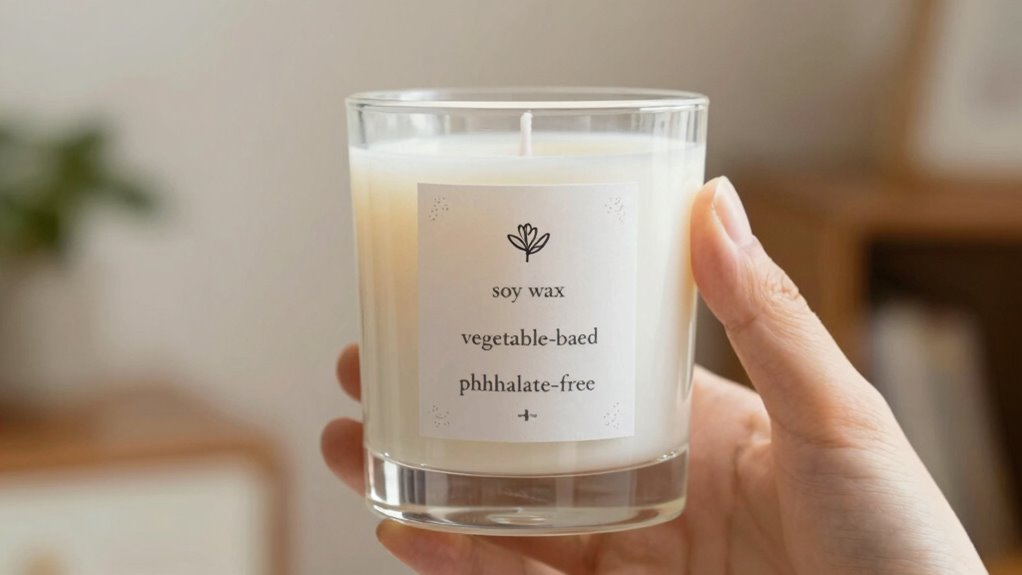
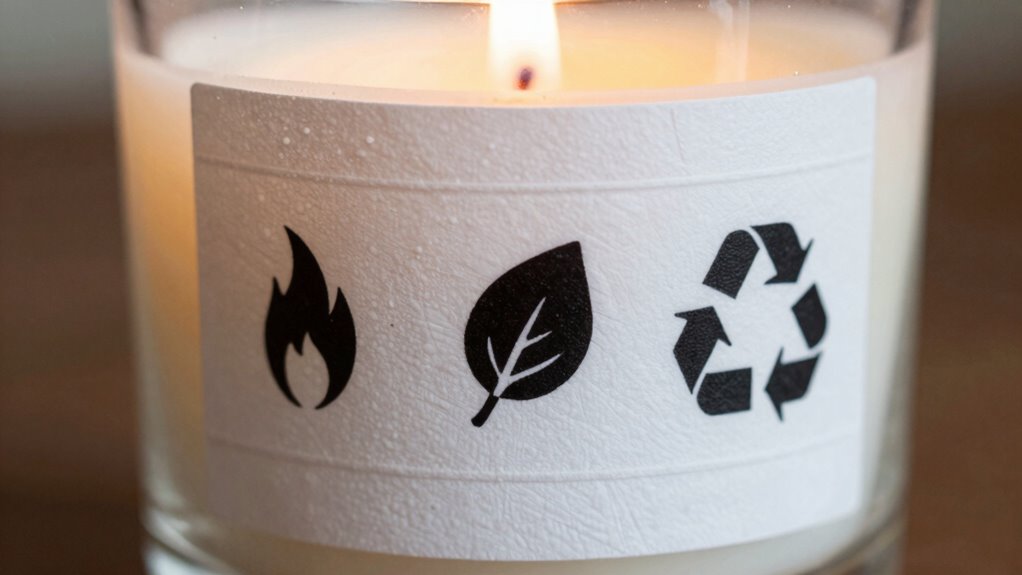
Ever wonder what all those labels on candles really mean? When you’re shopping, labels can seem packed with confusing terms and claims, but understanding them helps you make smarter choices. One of the first things to look for is how well the candle adheres to safety standards. Reputable brands often indicate if their candles meet recognized safety regulations, which can include standards for flame height, burn time, and the use of safe materials. These standards aren’t just about legal compliance—they ensure that the candle is less likely to produce harmful fumes or pose a fire hazard. If a label mentions compliance with safety standards from organizations like ASTM or UL, it’s a good sign that the manufacturer prioritizes safety, giving you peace of mind during use. Additionally, understanding label claims can help you distinguish between candles that are truly safe versus those that might be misleading.
Look for safety standard labels like ASTM or UL for peace of mind and safe candle use.
Another critical aspect to evaluate is ingredient transparency, which is increasingly important in today’s market. Many brands now openly list their ingredients, allowing you to see exactly what’s in your candle. This transparency can help you avoid potentially harmful chemicals, such as paraffin wax, synthetic fragrances, or dyes that may trigger allergies or respiratory issues. Instead, look for candles made from natural ingredients like soy, beeswax, or coconut wax, which are often listed clearly on the label. When brands are transparent about their ingredients, they demonstrate a commitment to quality and consumer health. It’s a sign that the company isn’t hiding anything and is confident in the safety and purity of their product. Recognizing ingredient transparency on labels can also guide you toward more eco-friendly and health-conscious choices, reinforcing your values of sustainability and well-being.
Labels that feature clear ingredient lists and safety information make it easier for you to compare different options quickly. The more transparent a brand is, the more confident you can feel about your purchase. Doing some research on label accuracy can further help you verify the claims made on the packaging, providing an extra layer of assurance. Reputable companies often provide additional details on their websites, explaining their sourcing, manufacturing processes, and safety measures. Understanding compliance standards can also help you assess the quality and safety of the candles you buy. By paying attention to these details on the label, you’re not just buying a candle—you’re choosing a product that meets high safety standards and aligns with your values of ingredient transparency.
In the end, understanding candle label claims is about being an informed shopper. Look for clear safety compliance and ingredient transparency, and you’ll be better equipped to pick candles that are safe, clean-burning, and aligned with your preferences. It’s your home, your health, and your peace of mind—so take a moment to read those labels carefully.
Products Worth Considering

Dyson V8 Cordless Vacuum

Shark Navigator Robot Vacuum with 30-Day Self-Empty Base, White (AV2110S)

Ring Battery Doorbell and Chime (3rd Gen), Satin Nickel
As an affiliate, we earn on qualifying purchases.
Frequently Asked Questions
Are All Natural Candles Truly Chemical-Free?
Not all natural candles are entirely chemical-free, even if they seem pure. Many contain natural ingredients for scent layering, but some still include additives or synthetic fragrances for scent strength and candle safety. Always read labels carefully and research brands to guarantee they meet your standards. Remember, a truly natural candle emphasizes minimal chemicals, but understanding ingredient lists helps you make safer, more informed choices for your home.
How Do I Identify Non-Toxic Candle Ingredients?
To identify non-toxic candle ingredients, check the label for plant-based ingredients like soy, beeswax, or coconut wax. Avoid candles with synthetic additives, such as artificial fragrances or dyes, which can cause irritation. Opt for candles labeled as natural or clean-burning, and research brands committed to transparency. By reading ingredient lists carefully, you guarantee you’re choosing candles made with safe, non-toxic materials that create a healthier environment.
What Certifications Should I Look for on Candle Labels?
Certifications signal sincerity and safety, so look for labels like USDA Organic, Green Seal, or Fair Trade. These stamps showcase a candle’s commitment to clean ingredients and transparency, helping you gauge scent strength and label transparency. By prioritizing certified candles, you guarantee quality, purity, and peace of mind. Certifications serve as trustworthy tokens, telling you the product’s promise of safety, sustainability, and scent authenticity, making your shopping smarter and safer.
Do Fragrance Claims Indicate Better Scent Quality?
Fragrance claims don’t necessarily mean better scent quality, but they do hint at fragrance intensity and scent longevity. If a candle promises a strong, long-lasting aroma, it’s likely crafted with higher-quality fragrance oils and proper wax blends. Keep an eye on labels that specify scent strength or longevity, but remember, personal scent preferences vary. For the best experience, choose candles that match your desired fragrance intensity and how long you want the scent to last.
Can Candle Labels Be Misleading About Burn Time?
Coincidences happen, but candle labels can indeed be misleading about burn time. You might notice a brand claiming long-lasting burn, yet the actual burn time falls short. Look for label accuracy and burn time transparency, which indicate the manufacturer’s honesty. Always check reviews or third-party tests when possible. Trustworthy labels help you gauge how long your candle will burn, ensuring you get the most out of your purchase.
Conclusion
While candle labels promise serenity and natural ingredients, remember that not all claims are created equal. Don’t be fooled by alluring words—sometimes, the most enticing labels hide synthetic scents or hidden chemicals. Your choice of candle should be guided by knowledge, not just labels. So, next time you pick a candle, look beyond the surface. Because in the world of candles, what’s on the label isn’t always what’s inside—your peace of mind is worth the extra mile.