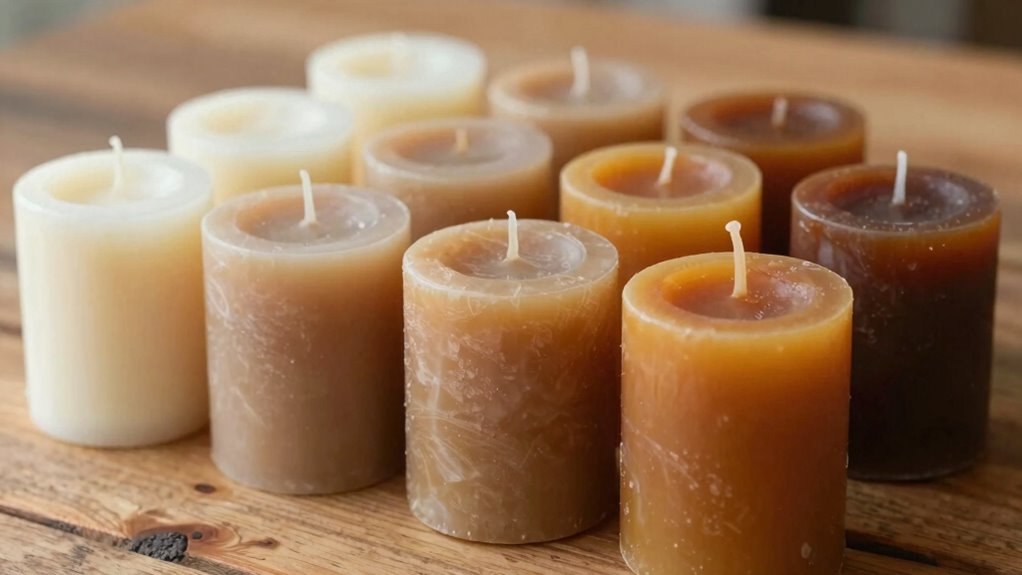

When choosing your first candle wax, consider your experience and the candle qualities you want. Soy wax is great for beginners because it melts at a moderate temperature, making it easy to work with and a good scent throw. Beeswax offers a natural look but needs careful handling due to a higher melting point. Paraffin is strong but less eco-friendly. Keep in mind how the melting point affects your safety and finished look—exploring further will help you make the best choice.

Get decor and gifts delivered free with Prime
- Fast, free delivery on millions of items
- Prime Video, Amazon Music and more included
- Member-only deals all year
Key Takeaways
- Start with soy wax for beginners due to its moderate melting point and easy handling.
- Consider the melting point to ensure even burning and avoid cracks or sinkholes.
- Choose natural waxes like beeswax or soy for eco-friendly options and aesthetic preferences.
- Match the wax’s melting point with your desired scent throw and candle type.
- Experiment with small batches to understand how melting point affects pouring and finished appearance.
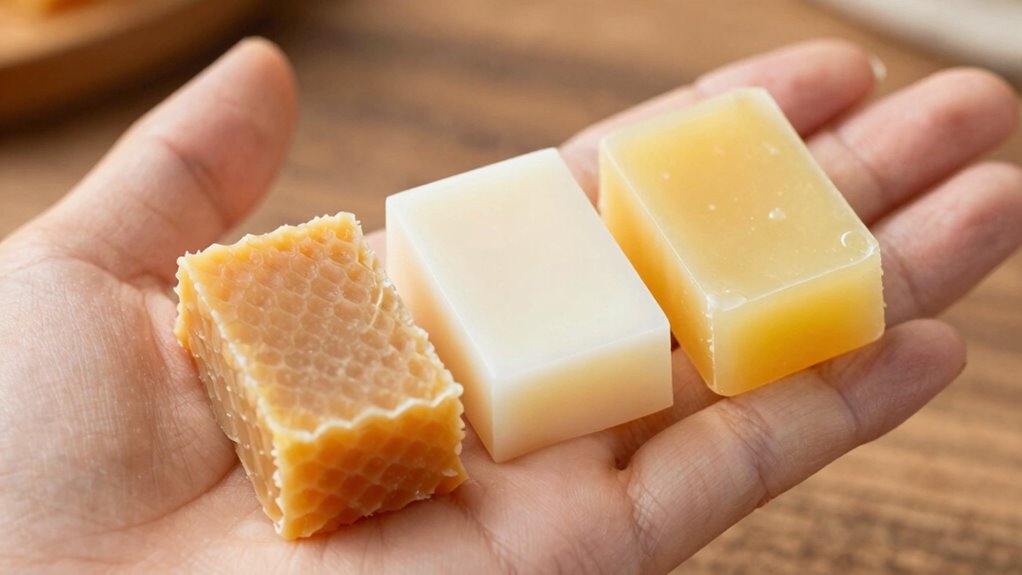
Next, think about the melting point. The melting point influences how your candle burns and how easy it is to work with during the pouring process. Paraffin wax generally has a melting point around 120-140°F, making it easy to melt and pour. Soy wax varies but typically melts between 115-125°F, which can be forgiving for beginners, allowing you to work at lower temperatures without risking cracks or sinkholes. Beeswax has a higher melting point, around 144-149°F, so it requires more careful handling during melting. Choosing a wax with a suitable melting point ensures your candle burns evenly and safely, and it also affects how well it holds fragrance oils and how it looks once solidified. Additionally, understanding the melting point helps you select the best wax for your specific candle type and desired burning characteristics. As a beginner, you might find soy wax to be the most user-friendly option because it melts at a moderate temperature, has a decent scent throw, and is easy to work with. Paraffin can give you a stronger scent throw, but it’s less eco-friendly and requires careful handling. Beeswax offers a natural option, but with a higher melting point and a different aesthetic. For those interested in environmentally friendly options, soy and beeswax are often preferred over paraffin. It’s also helpful to consider the consistency of the wax, which affects how smoothly it pours and how well it holds the desired shape. Whichever wax you choose, keep in mind that experimenting with small batches helps you understand how scent throw and melting point interact, so you can create candles that match your preferences perfectly.
As an affiliate, we earn on qualifying purchases.
Frequently Asked Questions
What Is the Best Wax for Beginners?
The best wax for beginners is soy wax because it’s easy to work with, has a lower melting point, and burns cleanly. Soy also holds scent well, so your candle will smell lovely. Its melting point makes it forgiving during pouring and helps prevent issues like cracking. Plus, soy wax is eco-friendly, making it a popular choice for those starting out in candle making.
How Long Does Candle Wax Last?
Back in the days of candle-making, wax lasted for ages, and today’s wax still burns brightly—usually lasting about 20 to 40 hours per pound, depending on the wax type. Candle fragrance and wax melting points influence how long your candle burns; lower melting point wax tends to burn faster. Properly stored in a cool, dry place, candle wax can last several years before it starts to degrade or lose scent.
Can I Mix Different Waxes?
Yes, you can mix different waxes, but you’ll want to ensure wax blending carefully. Make sure the waxes you choose are compatible in melting points and scent compatibility to avoid issues like uneven burning or scent separation. Test small batches first to see how they blend and ensure they work well together. Proper mixing techniques and understanding each wax’s properties will help you create a successful, customized candle.
Are Some Waxes Better for Certain Scents?
Yes, some waxes are better for certain scents because of fragrance compatibility and wax melting points. For example, soy wax works well with light, fresh scents, while beeswax enhances warmer, natural aromas. Think about the wax melting point too; higher melting point waxes like palm wax hold fragrances longer, making them ideal for strong or complex scents. Matching wax type with your chosen scent guarantees a better, longer-lasting candle.
Is Soy Wax Environmentally Friendly?
Soy wax is indeed eco-friendly, made from renewable resources like soybeans that grow quickly and sustainably. When you choose soy wax, you’re reducing environmental impact—no harmful toxins released into the air, and biodegradable after use. Imagine a candle flickering softly, casting warm light, while knowing its eco-friendly benefits help protect the planet. This natural, sustainable material aligns with your desire for environmentally conscious choices in your candle-making journey.
Conclusion
Now that you’ve explored the world of candle waxes, you’re ready to pick your perfect partner in glow. Think of your choice as selecting a dance partner—each wax has its own rhythm and personality. Trust your instincts, and don’t be afraid to experiment until you find the one that sparks your creativity. With your new knowledge, your candles will shine brighter than stars, casting a warm, inviting glow that beckons everyone into your cozy corner of the world.
Halloween Picks
halloween
As an affiliate, we earn on qualifying purchases.