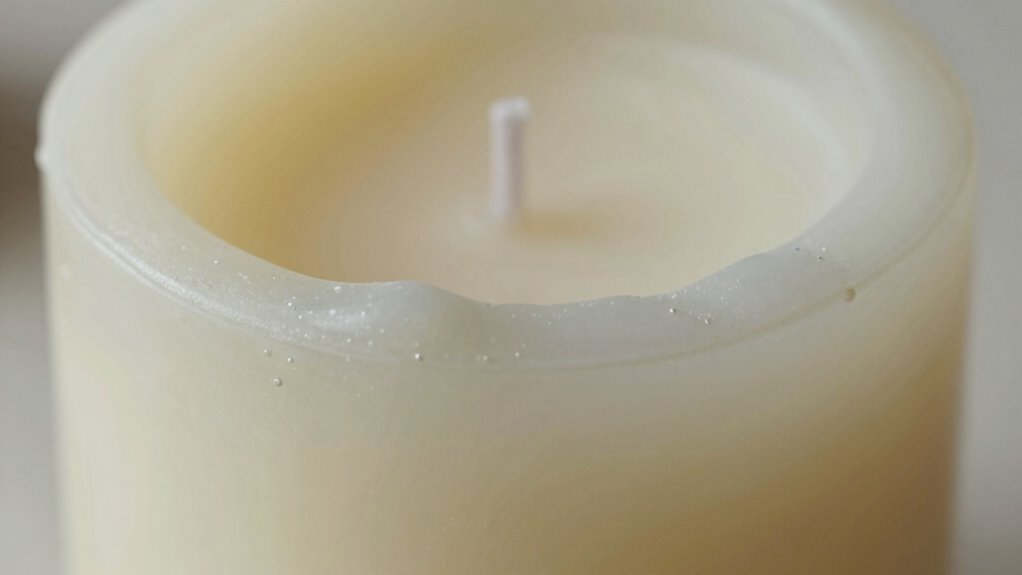

To understand surface imperfections in homemade candles, start by examining the cause, such as uneven cooling, improper wick placement, or excess fragrance. Keep your wax temperature steady and avoid rushing the process, since pouring too hot or cold can cause cracks or bumps. Environmental factors like drafts also affect surface quality. By identifying these issues and adjusting your technique, you can achieve smoother results—continue exploring for more tips on perfecting your candle surfaces.

Get decor and gifts delivered free with Prime
- Fast, free delivery on millions of items
- Prime Video, Amazon Music and more included
- Member-only deals all year
Key Takeaways
- Identify surface imperfections like sinkholes, cracks, or blemishes to determine possible causes such as temperature issues or wax handling.
- Check if the wax was poured at the correct temperature to prevent surface irregularities or rough textures.
- Observe fragrance oil addition timing and amount, as excess or early addition can cause surface blemishes.
- Ensure a draft-free environment and stable ambient temperature to promote even cooling and a smooth surface.
- Use proper techniques like slow pouring and reheating imperfections to improve overall surface quality.
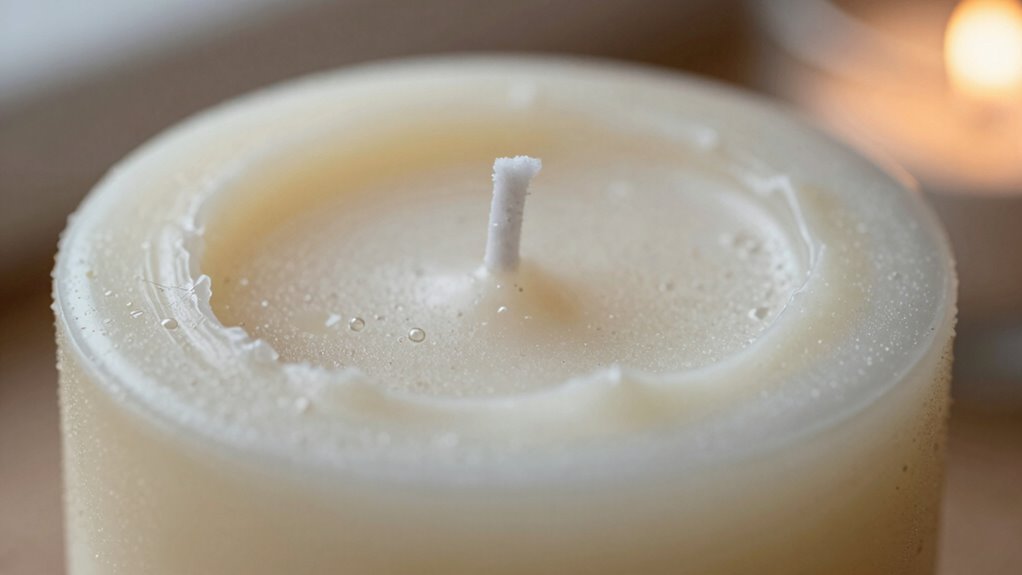
When you’re making candles at home, surface imperfections can be frustrating, but understanding their causes can help you improve your craft. One common issue is sinkholes or uneven surfaces, often caused by uneven wax cooling or improper wick placement. To prevent this, make certain you pour your wax at the right temperature, taking into account the wax melting points. Different waxes have specific melting points—some melt at lower temperatures, while others need higher heat—so knowing your wax’s melting point guarantees you pour at the ideal time for a smooth surface.
Pour wax at the correct temperature based on its melting point for a smooth, flawless finish.
Candle fragrance also plays a role in surface quality. If you add fragrance oils too early or in excessive amounts, it can interfere with wax solidification, leading to surface imperfections. Always measure your fragrance carefully, and follow the recommended usage rates. When you add fragrance, do so at the right temperature—usually just below the wax’s melting point—to make certain it disperses evenly without causing surface blemishes.
Temperature control is essential during both melting and pouring stages. If you pour wax too hot, the surface might develop cracks or sinkholes as it cools rapidly or unevenly. Conversely, pouring too cold can result in dull or bumpy surfaces. Pay close attention to your wax’s melting points and pour temperature guidelines. For example, if your wax melts at 170°F, aim to pour around 160-165°F for the best surface finish. Using a thermometer can help you maintain precise temperatures, leading to a cleaner, more polished look.
Another factor to think about is the ambient environment. Drafts or sudden temperature changes can cause the surface to cool unevenly, resulting in imperfections like cracks or sinkholes. Choose a calm, draft-free space to pour and cool your candles. Additionally, avoid moving your candle until it’s fully set to prevent surface disturbances. Proper environmental conditions are crucial for achieving a flawless surface finish, and maintaining consistent ambient temperatures can also help prevent surface imperfections.
Finally, the way you handle your wax during pouring impacts surface quality. Pour slowly and steadily, avoiding overfilling or rushing the process. This helps the wax settle evenly and reduces surface blemishes. If you notice imperfections forming, you can sometimes fix them by gently reheating the surface with a heat gun or hairdryer and smoothing it out. Understanding your wax’s melting points and how your candle fragrance interacts with the wax allows you to troubleshoot and refine your technique, leading to flawless homemade candles with smooth, beautiful surfaces. Recognizing the importance of temperature control, wax melting points, and the other factors involved is key to achieving professional-looking results. Additionally, paying attention to wax composition can influence how well your candle surface turns out.
As an affiliate, we earn on qualifying purchases.
Frequently Asked Questions
Can Surface Imperfections Affect Candle Safety?
Surface imperfections can impact candle safety, especially if they indicate issues from the manufacturing processes. While small imperfections mainly affect candle aesthetics, large or sharp defects might cause uneven burning, leading to smoke or even fire hazards. You should regularly inspect your candles for imperfections, as addressing these early guarantees safer use and maintains the quality of your homemade candles. Properly finished candles burn more evenly and reduce safety risks.
Do Certain Wax Types Cause More Surface Flaws?
They say, “You are what you melt,” and your choice of wax markedly impacts surface flaws. Softer waxes like beeswax or soy often develop more imperfections during the cooling process due to their composition. Harder waxes, such as paraffin, tend to cool more evenly, reducing flaws. Understanding your wax’s composition helps you control the cooling process, minimizing surface flaws and ensuring your homemade candles look as good as they burn.
How Do Ambient Temperatures Influence Surface Quality?
Ambient temperatures greatly influence your candle’s surface quality. Temperature fluctuations can cause uneven cooling, leading to surface imperfections like cracks or sinkholes. Maintaining a consistent temperature guarantees proper mold consistency and smooth finishes. If it’s too cold or hot, your wax may cool unevenly, creating flaws. Keep your workspace at a stable temperature to promote even cooling, and avoid drafts that can cause inconsistent surface textures.
Are Surface Imperfections Linked to Fragrance Overload?
Absolutely, fragrance overload can turn your perfect candle into a surface disaster! When you add too much fragrance concentration, it causes uneven melting and surface imperfections. Candle layering becomes tricky because excess fragrance can cause bubbling or sinkholes, ruining your smooth finish. Always measure fragrance carefully and layer your candles gradually. This way, you avoid those ugly imperfections and enjoy a beautifully scented, flawless homemade candle.
Can Surface Defects Be Fixed After Candle Hardening?
Yes, you can fix surface defects after candle hardening. Gently re-melt the top layer using a heat gun or warm water bath, then smooth out imperfections with a spatula or a piece of paper. Using proper cooling techniques and a clean candle mold during the initial pour helps prevent defects. If needed, reheating and reshaping can improve your candle’s surface, giving it a polished, professional look.
Conclusion
So, now that you’re practically a candle perfectionist, go ahead—embrace those charming surface quirks. After all, who needs a flawless glow when you can have a candle with personality? Remember, every imperfection tells a story (probably about your adventurous pouring skills). So, light up your unique creation and bask in the glow of your “imperfectly perfect” masterpiece. Because in the end, it’s the quirks that make your candles truly one-of-a-kind!
Halloween Picks
halloween
As an affiliate, we earn on qualifying purchases.