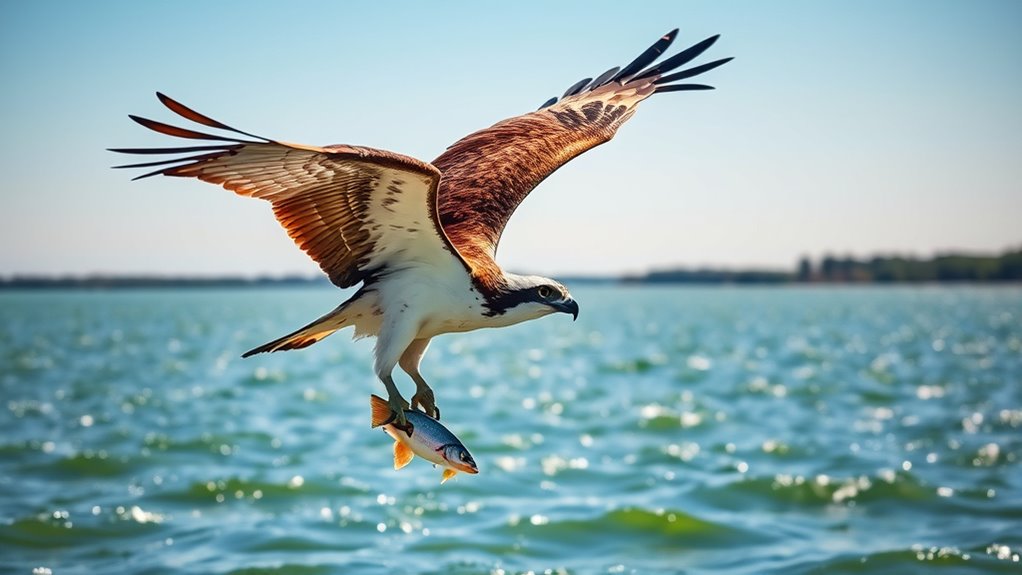

You’ll learn how the osprey nearly disappeared due to pesticide use like DDT, which thinned eggshells and caused reproductive failure. Legal bans, conservation efforts, and community projects helped turn things around. Artificial nests, habitat protections, and public involvement boosted numbers from just a few hundred to over 30,000 pairs nationally. If you want to discover how these strategies worked together to bring the osprey back, follow along to explore their inspiring comeback.
Key Takeaways
- Bans on harmful pesticides like DDT reversed reproductive damage, allowing osprey populations to rebound.
- Conservation efforts included installing artificial nesting platforms to increase breeding success.
- Legal protections and habitat restoration promoted stable nesting sites along waterways nationwide.
- Community engagement and monitoring enhanced awareness and support for osprey recovery initiatives.
- Adaptation to habitat changes and reduced threats fostered the osprey’s return to American waterways.
The Osprey’s Plunge Into Danger: Causes of Decline
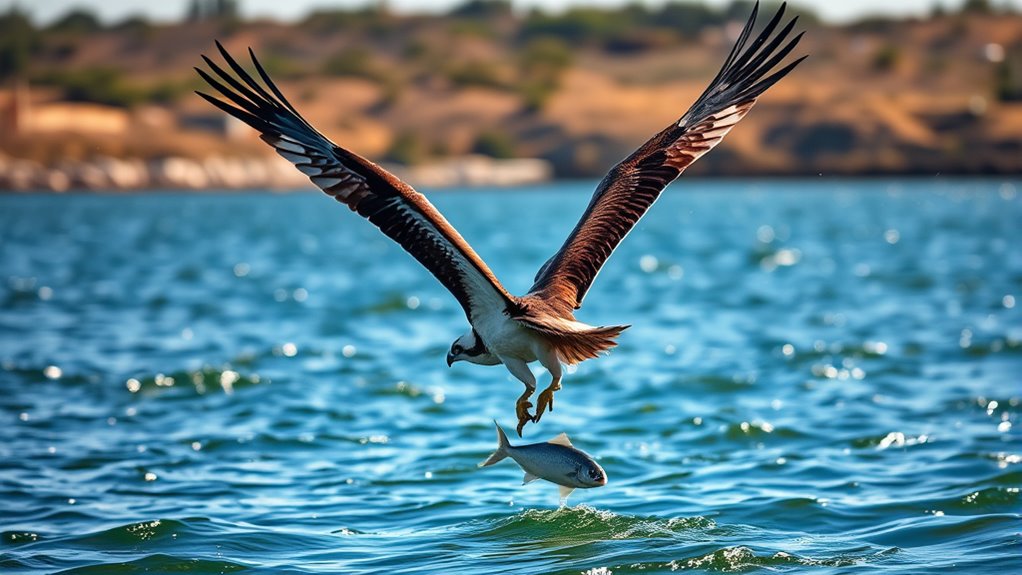
The decline of the osprey population was primarily driven by widespread pesticide use, especially DDT, which severely affected their reproductive success. DDT caused eggshell thinning, making eggs fragile and easily broken during incubation. As a result, many eggs failed to hatch, leading to drastic population declines. During the 1950s and 1960s, osprey numbers plummeted along the Atlantic Coast and in parts of New England, with some areas reporting fewer than 100 pairs. Scientific studies confirmed high DDT residues in osprey eggs, linking pesticide exposure directly to reproductive failures. Public awareness grew after Rachel Carson’s *Silent Spring* exposed the environmental damage caused by DDT. This crisis prompted legal challenges and bans, ultimately helping ospreys recover.
A Turning Point in Environmental Law and Policy
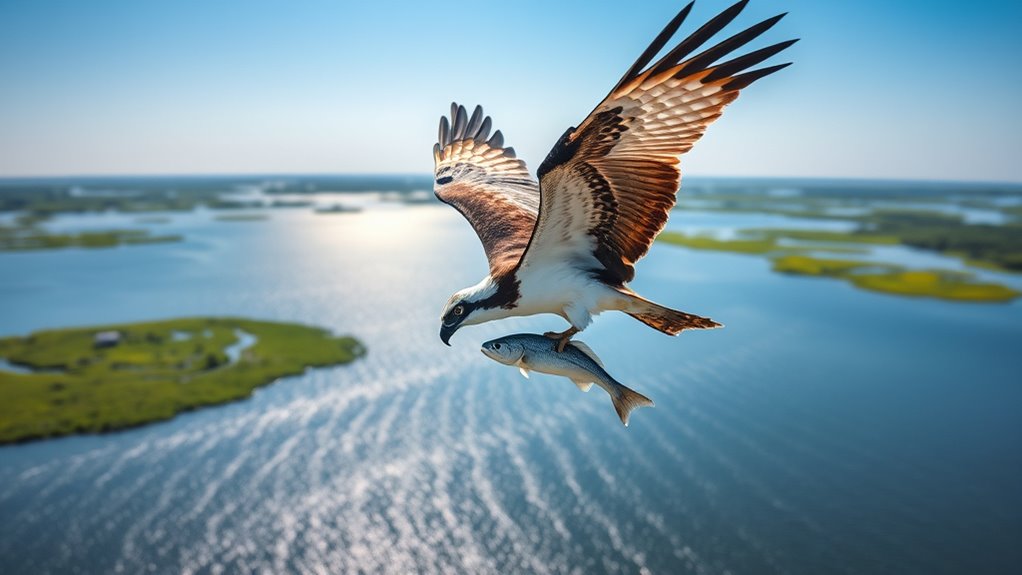
Why did the osprey’s dramatic recovery mark a significant shift in environmental law and policy? Because it highlighted the power of targeted legislation and active conservation efforts to reverse environmental damage. The 1972 ban on DDT was a pivotal moment, demonstrating that banning harmful pesticides could restore ecosystems. Local regulations, like bans in Suffolk County, set important legal precedents. These actions galvanized public support and prompted broader reforms, emphasizing the importance of science-based policies. The recovery of ospreys proved that proactive legal measures combined with habitat management can lead to tangible results. It shifted the focus from reactive to preventive environmental protection, inspiring future laws aimed at safeguarding wildlife and water quality, ultimately transforming how society approaches environmental stewardship. Additionally, the success of these initiatives underscored the significance of conservation strategies and community engagement in ensuring sustainable ecological recovery.
Restoring the Balance: Conservation Strategies in Action
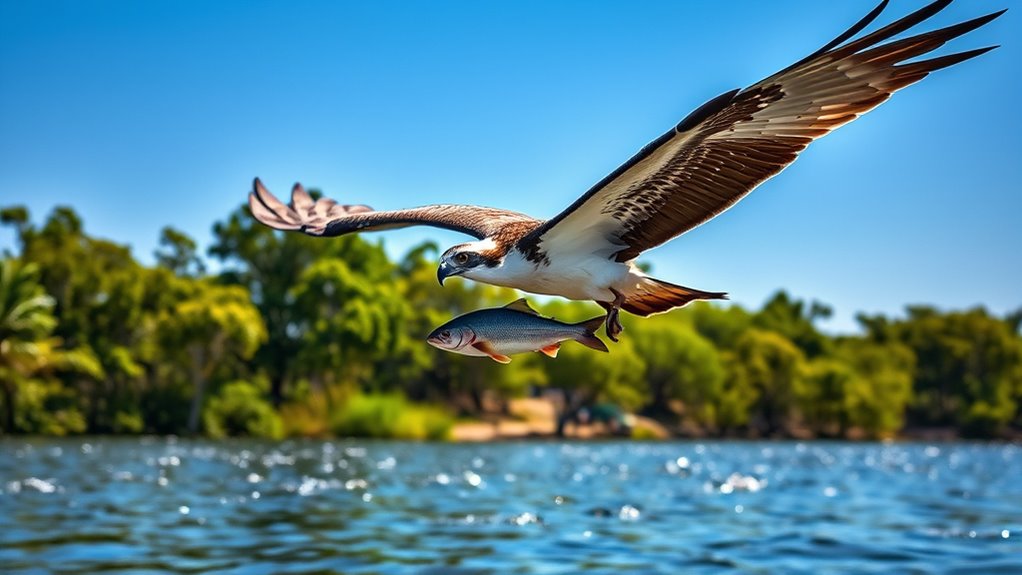
Conservation strategies have become the backbone of restoring healthy osprey populations, building on the legal successes that highlighted the importance of proactive action. You can see this in the widespread use of artificial nesting platforms, which give ospreys safe spots to breed, increasing chick survival rates. Community-led projects and educational programs have also played a crucial role, engaging the public in osprey stewardship. Water quality regulations and habitat protections help assure ample fish supplies and suitable nesting sites. Reintroduction efforts in regions where populations declined further reinforce recovery. The deployment of specialized electric bike conversion kits has promoted eco-friendly transportation, reducing human disturbance and pollution near critical habitats. Additionally, implementing renewable energy solutions can minimize habitat disruption caused by energy development. Incorporating holistic conservation approaches ensures that multiple factors influencing osprey health and habitat are addressed simultaneously. Recognizing the importance of native habitat restoration has further supported osprey recovery by enhancing natural nesting environments. Furthermore, monitoring programs allow for ongoing assessment of population health and habitat conditions, ensuring adaptive management strategies are effectively implemented. Your continued support and awareness are essential to maintaining these conservation successes.
Rebuilding Populations: Numbers and Progress
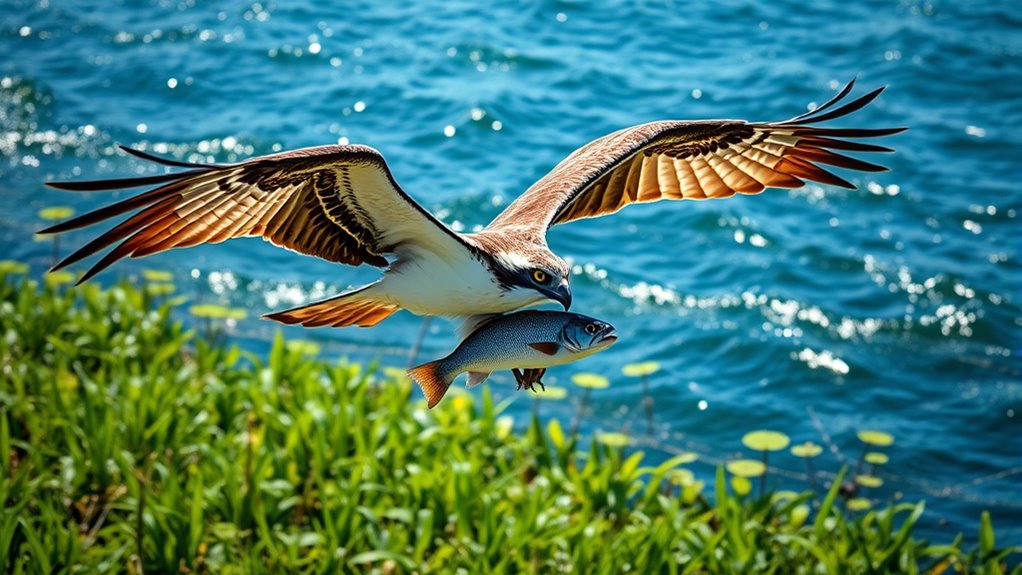
Have osprey populations truly rebounded since their decline? Yes. Since the 1960s, thanks to the DDT ban and targeted conservation efforts, their numbers have steadily increased. Across North America, their population grows by about 1.9% annually, reaching roughly 30,000 breeding pairs nationally and around 1.2 million globally. In Connecticut, nests have surged from about 200 in 2014 to nearly 700 in 2023, reflecting strong local recovery. In some areas, osprey productivity exceeds 1.5 chicks per nest, ensuring population stability. Additionally, habitat restoration has played a crucial role in providing suitable nesting sites and food sources for osprey populations. The availability of natural food sources has also contributed significantly to their successful comeback. Moreover, public awareness campaigns have increased community involvement in osprey protection efforts. The challenges remain, especially inland where pesticides and habitat loss persist, which can affect their coastal ecosystems. Overall, the osprey’s comeback demonstrates effective conservation, but ongoing efforts are essential to sustain this growth and address remaining threats. Conservation success underscores the importance of continued habitat protection and monitoring.
Adapting to New Homes: Habitat and Behavior Changes
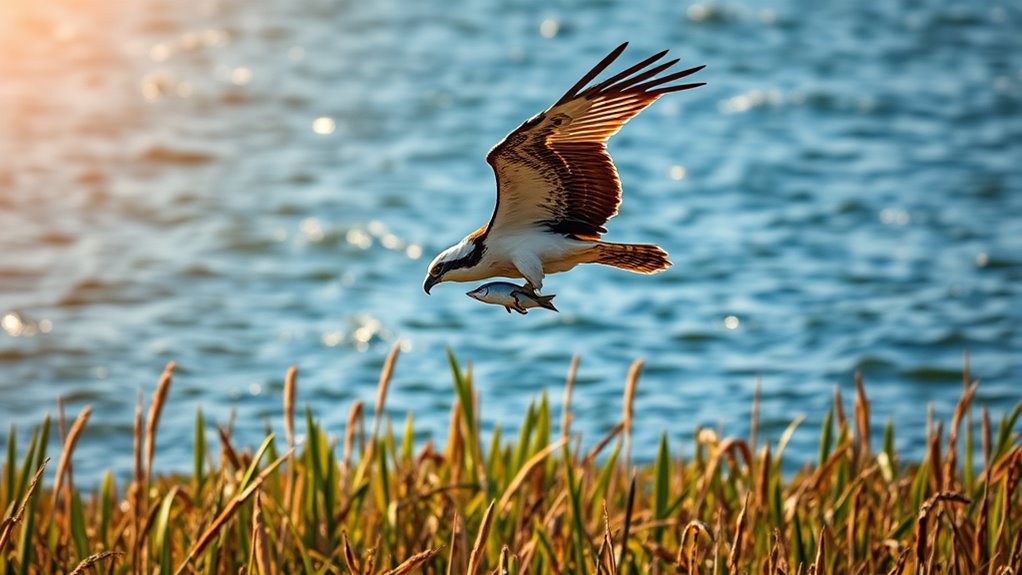
As osprey populations recover, they’ve shown remarkable flexibility in adapting to new habitats and changing behaviors. You’ll notice they now nest in a variety of locations, from tall trees to human-made structures like poles and platforms. They’re also modifying their foraging habits, favoring shallow waters rich in fish, and often nesting closer to human activity, which provides new opportunities and challenges. You might see them perching on utility lines or channel markers, demonstrating their adaptability. Their migration patterns remain consistent, but they’re now breeding successfully in areas once considered unsuitable. These behavioral shifts help ensure their survival amid habitat changes. Incorporating habitat diversity adaptations like utilizing new foraging grounds and nesting sites further supports their resilience and recovery. Additionally, their ability to adapt to climate change impacts has been crucial in maintaining their population stability. Their success highlights the importance of species resilience in supporting recovery and sustainability.
The Power of Artificial Nests in Recovery

Artificial nests have played a vital role in boosting osprey breeding success by providing safe, predator-aware sites. These platforms help protect eggs and chicks from threats, increasing their chances of survival. When communities get involved in installing and monitoring these nests, it fosters a sense of shared responsibility and strengthens conservation efforts. Incorporating calibration techniques into nest placement can further optimize success rates and ensure the nests meet the ospreys’ needs. Proper monitoring methods can also help identify the most effective locations for future nests, further enhancing conservation outcomes. Utilizing automation in data collection can improve the efficiency and accuracy of monitoring osprey nests over time. Additionally, the integration of AI-powered data analysis can assist in identifying patterns and predicting nest success rates, guiding future conservation strategies. Implementing adaptive management practices based on ongoing data can further refine nest placement and conservation efforts to support osprey populations effectively.
Enhancing Breeding Success
Artificial nesting platforms have become a crucial tool in boosting osprey breeding success, especially in areas where natural nesting sites are scarce or threatened. These platforms provide safe, predator-visible places for ospreys to lay eggs and raise chicks. By improving nest safety, they help increase reproductive output and chick survival rates. Platforms also allow ospreys to nest earlier in the season, giving chicks more time to grow. Additionally, they reduce competition for natural sites and prevent nest destruction from storms or human activity. Public involvement through community projects has expanded platform installations, making recovery efforts more effective. Moreover, the use of artificial nesting structures has been shown to significantly enhance the overall health of osprey populations. These structures also serve as educational tools to raise awareness about osprey conservation. The deployment of nesting platforms often involves habitat restoration efforts, further benefiting local ecosystems. Such initiatives can also help address habitat loss, which is a major threat to many bird species. Overall, these structures directly support osprey populations by creating ideal conditions for breeding, ensuring more chicks reach adulthood and strengthening the species’ comeback.
Protecting Eggs and Chicks
Protecting eggs and chicks is a vital component of osprey recovery, and artificial nests play an essential role in this effort. These platforms provide safe, predator-resistant sites where ospreys can lay eggs and raise their young without the threat of predation from raccoons, owls, or other predators. By elevating nests above ground, artificial platforms help prevent eggs and chicks from falling or being easily accessed by threats. They also encourage earlier nesting in the season, giving chicks a longer period to develop before migration. Community-led projects and conservation groups have installed these nests along key waterways, greatly boosting reproductive success. This targeted approach ensures more chicks reach fledgling age, strengthening local populations and supporting the osprey’s ongoing comeback. Proper management of nesting sites, including considerations like artificial nests, is crucial for the species’ continued recovery.
Engaging Communities in Conservation
Community involvement has played a vital role in osprey recovery, especially through the use of nesting platforms. When you participate in installing or monitoring these platforms, you help create safe spaces for ospreys to breed and raise their chicks. Your efforts support increased nesting success and reduce predation risks. Public projects also inspire awareness and foster stewardship, turning neighborhoods into conservation allies. By engaging local schools, volunteers, and organizations, you become part of a movement that restores osprey populations. Your actions contribute to habitat enhancement and demonstrate community commitment. This collective effort helps sustain osprey populations for future generations and keeps waterways healthy. Together, your involvement makes a tangible difference in the ongoing recovery of these magnificent birds.
- Installing and maintaining nesting platforms
- Participating in citizen science projects
- Educating others about osprey conservation
- Monitoring nesting success and chick survival
- Advocating for habitat protection and pollution reduction
Continuing Challenges and Future Conservation Goals
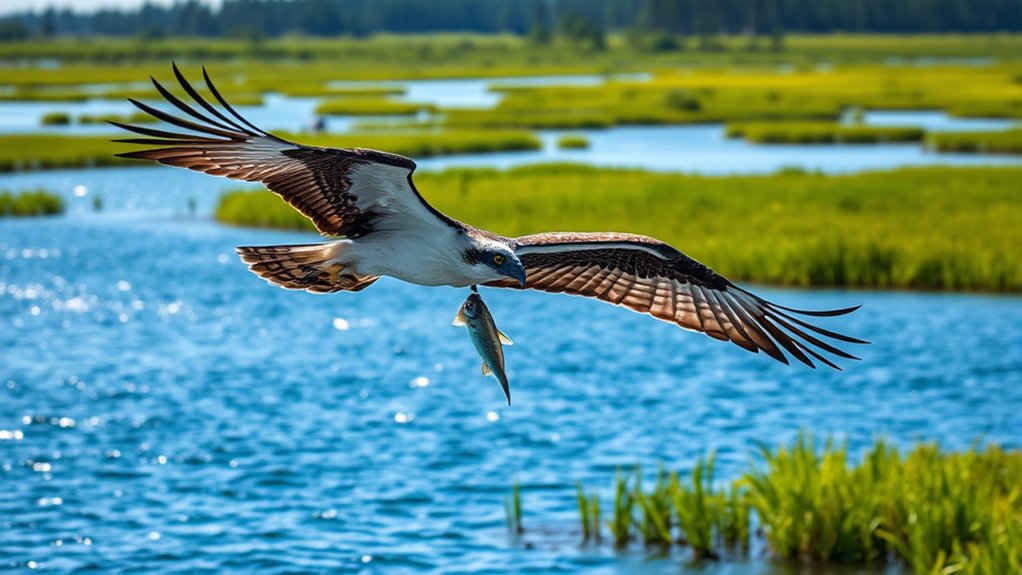
Despite significant progress in osprey recovery, several ongoing challenges threaten their future stability. Habitat loss from shoreline development and tree removal continues to reduce nesting sites, especially in urban and industrial areas. Pollution and pesticide residues, particularly in inland waters, still pose health risks, affecting reproduction and chick survival. Climate change also impacts prey availability and fish populations, altering osprey foraging success. Additionally, disturbances from human activities can disrupt nesting and breeding behaviors. To address these issues, conservation efforts must focus on protecting and restoring natural habitats, enforcing pollution controls, and promoting sustainable development near waterways. Continued monitoring and research are essential to adapt strategies, ensuring ospreys remain a resilient presence on America’s waters for generations to come.
Celebrating Success: The Osprey’s Revival in Modern America
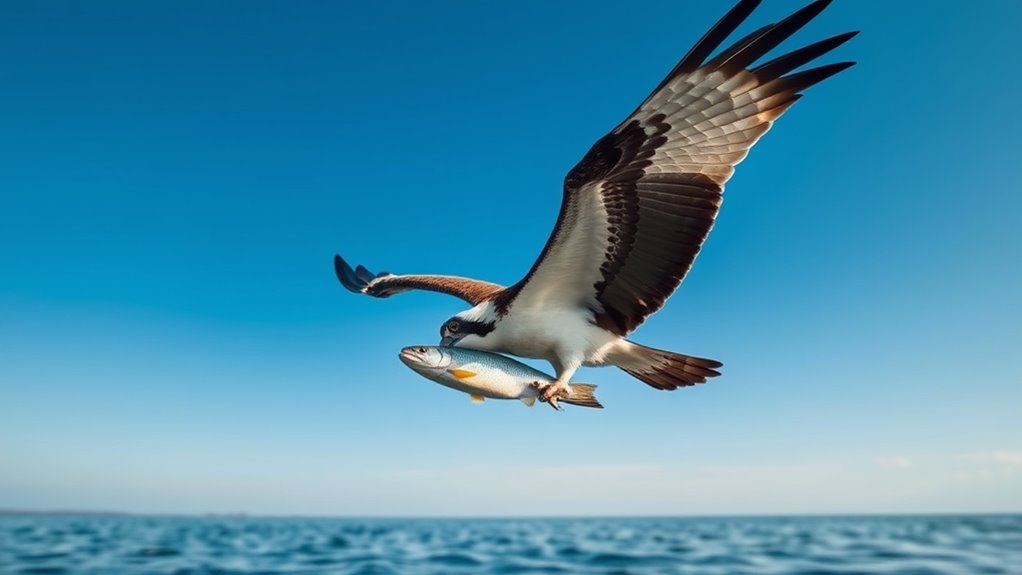
The recovery of the osprey in modern America stands as a remarkable example of successful conservation. You can see their thriving presence along coastlines and inland waters, a testament to dedicated efforts and policy changes. Today, osprey populations are rebounding thanks to habitat restoration, artificial nesting platforms, and bans on harmful pesticides like DDT. The increase from just a few hundred nesting pairs to over 30,000 across North America highlights this success. Communities actively participate in osprey conservation through monitoring and installing nesting platforms. Their resilience and adaptability continue to inspire conservationists and bird lovers alike. You’ll find osprey nests often visible from bridges, piers, and boat tours, symbolizing nature’s comeback and the ongoing importance of environmental stewardship.
- Population growth from near extinction to thousands of pairs
- Installation of artificial nesting platforms across regions
- Increased public involvement in monitoring and conservation
- Improved water quality supporting healthy fish populations
- Ospreys now nesting in urban and rural areas, demonstrating adaptability
Frequently Asked Questions
How Do Ospreys Choose Their Nesting Sites in Urban Environments?
You’ll notice ospreys select nesting sites in urban environments based on safety and proximity to water. They prefer tall structures like utility poles, channel markers, or building ledges that offer clear views and predator avoidance. They often choose sites near shallow, fish-rich waters, ensuring easy hunting. You can help by installing artificial platforms on suitable tall structures, which encourage osprey nesting and support their urban adaptation efforts.
What Specific Measures Are Used to Monitor Osprey Health Today?
You can monitor osprey health today through various measures. You actively observe their nesting success, chick survival rates, and feeding behaviors. You also collect and analyze eggshells and blood samples to check for pesticide residues and contaminants. Using GPS and tracking devices, you follow their migration patterns and activity levels. Regular field surveys, nest checks, and community science projects help you gather extensive data to guarantee osprey populations remain healthy and resilient.
How Does Climate Change Threaten Osprey Habitats and Migration?
You should know that climate change threatens osprey habitats and migration by causing unpredictable weather patterns and rising sea levels. These changes can flood nesting sites and reduce fish populations, which are crucial for their survival. In fact, coastal erosion has increased osprey nesting failures by up to 30% in some regions. If these trends continue, it could disrupt their migration timing and further endanger their populations.
Are Reintroduced Osprey Populations Genetically Diverse?
Reintroduced osprey populations are often genetically diverse because conservationists aim to use a broad mix of birds from different regions. You can help by supporting reintroduction projects that prioritize genetic diversity, ensuring healthy, resilient populations. Genetic diversity helps ospreys adapt to changing environments and resist diseases. When you back these efforts, you’re aiding in creating robust, sustainable osprey populations that can thrive long-term in their restored habitats.
How Can Communities Further Support Osprey Conservation Efforts?
You can support osprey conservation by advocating for habitat protection and responsible shoreline development. Volunteer to install and maintain artificial nesting platforms, which boost breeding success. Spread awareness about the importance of clean waters and pesticide reduction. Participate in community science projects that monitor osprey populations. Supporting local and national policies that ban harmful pesticides and protect natural nesting sites guarantees these remarkable birds continue to thrive in our waterways.
Conclusion
You watch the osprey soaring high again, its wings slicing through the sky like a symbol of resilience. Just as a delicate thread can hold a tapestry together, conservation efforts have woven a future where these birds thrive once more. With over 10,000 nesting pairs now, your dedication proves that even in the face of adversity, hope can take flight. The osprey’s comeback reminds you that nature’s resilience depends on our ongoing commitment.