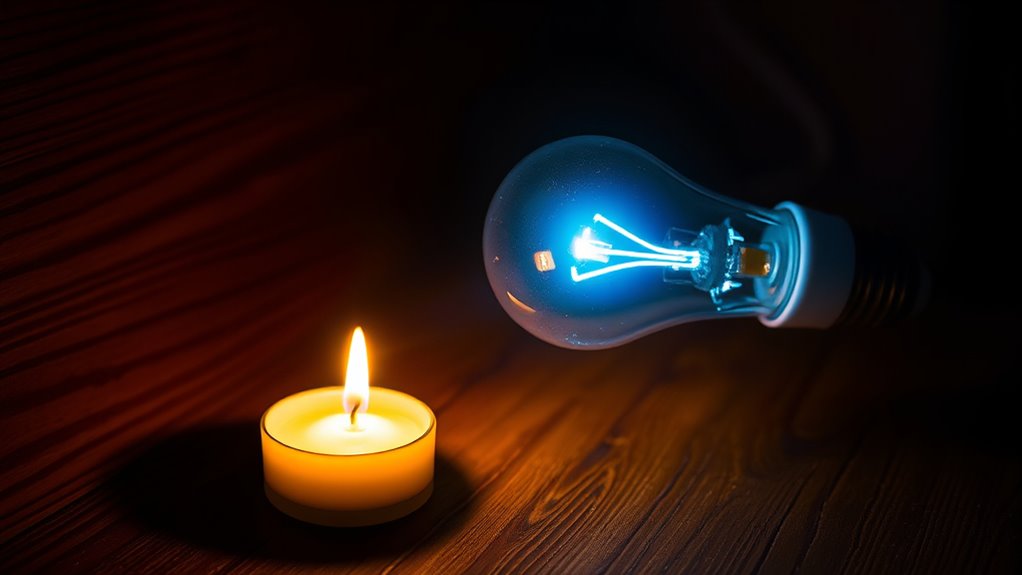

When comparing candlelight to electric lighting, candles produce indoor air pollution from soot and VOCs, while electricity’s environmental impact depends on its source, with fossil fuels causing higher emissions. Candles rely on resource-intensive waxes and generate waste, whereas electric lights like LEDs are more energy-efficient and can run on renewable power. If you want to understand how each affects the environment and what sustainable options exist, there’s more to uncover.
Key Takeaways
- Candles emit indoor air pollutants like soot and VOCs, impacting air quality, while electric lights produce no combustion-related pollutants.
- Electric lighting, especially LEDs, is generally more energy-efficient, reducing overall energy consumption and greenhouse gas emissions.
- Candle production relies on resource-intensive raw materials such as paraffin, beeswax, or soy wax, with varying environmental impacts.
- Electricity generation source significantly influences electric lighting’s environmental footprint, with renewable energy reducing emissions.
- Candles contribute to waste through packaging and incomplete combustion, whereas electric lights have a longer lifespan and recyclability potential.

YJHSS 24-Pack 8oz Candle Tins with Lids, Metal Candle Jars for Candle Making, Bulk Empty Containers for Beginners & DIY Storage -Black
Capacity: 8oz =235ml; Dimensions : 3.15" (Diameter) x 2.35" (Height); Each candle tins are made of premium tinplate,...
As an affiliate, we earn on qualifying purchases.
The Environmental Footprint of Candle Production

While candles may seem simple, their production can have a notable environmental impact. During candle manufacturing, the sourcing of raw materials plays a vital role. You need to think about where the wax, wicks, and dyes come from, as these materials often require intensive resource extraction. For example, paraffin wax, derived from petroleum, involves fossil fuel extraction, contributing to pollution and greenhouse gas emissions. Beeswax and soy wax are more sustainable options, but sourcing them responsibly is essential to prevent habitat destruction or deforestation. Additionally, the production process can generate waste and emissions if not managed properly. Considering the sustainable sourcing of candle ingredients can significantly reduce their environmental footprint. The use of environmentally friendly production practices can further minimize ecological impact. By understanding the raw material sourcing and manufacturing practices, you can better appreciate the environmental footprint of candles and contemplate more eco-friendly choices. Proper disposal and recycling of candle remnants also play a role in minimizing environmental impact.

CasaCulina 2025 New Candle Making Kit with Hot Plate, Candle Making Supplies with Wax Melting Pot, Stirring Spoon, Anti-Scalding Pad, Candle Wicks, Wooden Wick Holders, Candle Making Pouring Pot
Tips: The heat-resistant temperature of the anti-scalding mat is below 80℃/176℉. Do not put the furnace on it...
As an affiliate, we earn on qualifying purchases.
Energy Consumption and Efficiency of Electric Lighting

Electric lighting generally uses more power than candles, but it’s often more efficient in producing light. You’ll find that modern bulbs convert electricity into illumination with less waste, giving you brighter results for less energy. Understanding these differences helps you choose the most efficient lighting for your needs. Additionally, advancements in filtration efficiency have made some electric lighting options more environmentally friendly by reducing energy consumption even further. Innovations in lighting technology continue to improve energy use and sustainability, and ongoing research into AI-powered lighting optimization aims to further enhance efficiency and reduce environmental impact. Moreover, the integration of smart lighting systems allows for more precise control over energy use, further reducing waste and environmental footprint.
Power Usage Rates
Have you ever wondered how much energy modern electric lighting consumes compared to traditional candlelight? Electric lights typically use considerably more power, but their efficiency varies depending on the technology. LED bulbs, for example, are highly energy-efficient and can reduce overall power usage. When powered by renewable sources like solar or wind, electric lighting supports energy conservation efforts and lowers environmental impact. Compared to candles, which produce light with minimal energy but little energy efficiency, electric lights can deliver brighter illumination with less waste if used wisely. Understanding power usage rates helps you make smarter choices about lighting. By choosing energy-efficient bulbs and renewable energy options, you can minimize your carbon footprint while maintaining adequate lighting. Additionally, awareness of energy consumption can guide investments in sustainable lighting solutions that benefit both your home and the environment.
Light Output Efficiency
Understanding how efficiently electric lighting converts energy into visible light is key to making smarter choices. Unlike candles, electric lights use energy more directly, with high efficiency rates. Candle size influences light output; larger candles produce more light but also consume more energy if powered by electricity. The purity of wax affects candle brightness and burn time, impacting overall efficiency, but electric lighting remains more consistent. Electric bulbs, especially LEDs, convert a higher percentage of energy into visible light, reducing wasted energy. This efficiency is further enhanced by advancements in lighting technology, which aim to maximize illumination while minimizing power consumption. Additionally, smart lighting systems enable more precise control over energy use, further improving efficiency. The use of energy-efficient bulbs helps reduce overall electricity consumption and environmental impact. This means you get more illumination per unit of energy consumed. Moreover, innovations in LED technology continue to improve energy conversion rates, making electric lighting increasingly sustainable. While candles rely on combustion, electric lighting’s efficiency depends on bulb type and design, making it a more sustainable choice for maximizing light output while minimizing energy use.
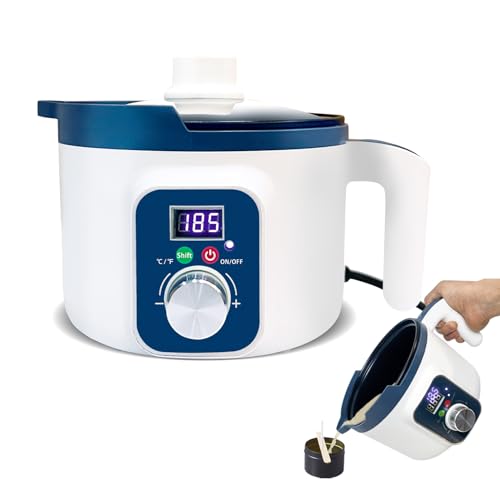
KQU Electric Wax Melting Pot for Candle Making, Wax Melter with Digital Temperature Display, Non-Stick Candle Making Pouring Pot with Spout and Automatic Constant Temp Control
Temperature Display: No additional thermometer is needed to help control the temperature of the wax. The wax melting...
As an affiliate, we earn on qualifying purchases.
Carbon Emissions Associated With Candles and Electric Lights
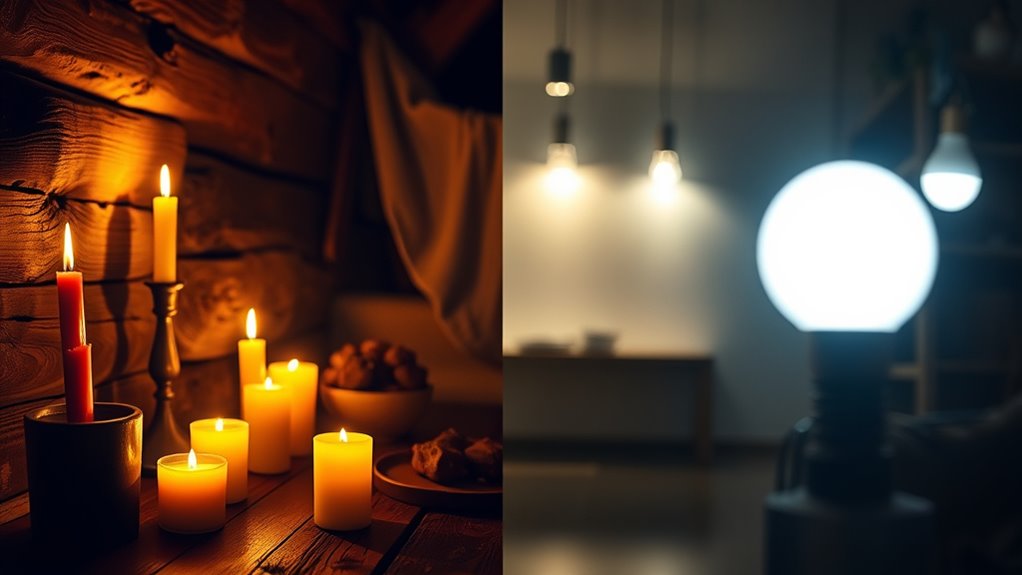
When you burn candles, they release carbon into the air through combustion, contributing to local pollution. Electric lights, on the other hand, generate emissions depending on how the electricity is produced. Understanding these sources helps you see the true environmental impact of your lighting choices. Additionally, water-based cooling systems used in some electric power plants can influence overall emissions and environmental effects. The type of energy source—renewable or fossil fuels—significantly impacts the carbon footprint of electric lighting. Moreover, the efficiency of lighting technologies, such as LED versus incandescent bulbs, also plays a crucial role in reducing overall carbon emissions. Incorporating sustainable energy practices can further reduce the environmental impact of electric lighting.
Emissions From Candle Combustion
Candle combustion releases carbon dioxide and other pollutants into the air, contributing to overall greenhouse gas emissions. When you burn scented candles, they emit not only CO2 but also volatile organic compounds (VOCs) and particulate matter that can affect air quality. The type of wax and wick influences emission levels; paraffin candles tend to produce more pollutants than beeswax or soy alternatives. Additionally, candle packaging often includes materials that release harmful chemicals when burned or heated. These emissions add to your carbon footprint, especially if candles are frequently used. To reduce your impact, consider choosing natural candles and minimizing unnecessary burning. Recognizing how candle combustion contributes to emissions helps you make more environmentally conscious decisions when lighting candles at home.
Electricity Generation Emissions
Lighting your home with candles or electric lights both impacts the environment, but they do so in different ways. Electric lighting relies heavily on electricity generation, which can produce notable emissions depending on the energy source. If your electricity comes from fossil fuels, it leads to higher carbon emissions, contributing to climate change. Conversely, using renewable sources like wind, solar, or hydro can considerably reduce these emissions, making electric lighting more sustainable. While candles emit minimal greenhouse gases during combustion, their environmental impact is less about emissions and more about resource extraction and waste. To minimize your carbon footprint, opt for electricity from renewable sources whenever possible, emphasizing emission reduction and supporting cleaner energy development. Additionally, advancements in AI-driven solutions are transforming how we optimize energy consumption, further reducing environmental impacts. Understanding the energy mix in your region can help you make informed decisions about your lighting choices. Being aware of your carbon footprint can guide you toward more sustainable lighting options overall.

KQU Wax Melting Pot with Thermometer, Electric Wax Melter for Candle Making with Spout, Small Double Boiler Pot Set for Beginner Adults
Candle wax melting pot with thermometer: It requires precision to make beautiful, professional candles. The thermometer for the...
As an affiliate, we earn on qualifying purchases.
Raw Material Use and Resource Depletion

Since electric lights rely heavily on metals and minerals like copper, aluminum, and rare earth elements, their production quickly depletes finite natural resources. Extracting these materials involves intensive mineral extraction, which disturbs ecosystems and depletes non-renewable reserves. Manufacturing electric bulbs also demands significant energy, further stressing resource supplies. Additionally, the production of batteries and electronic components requires biomass harvesting for certain materials, impacting forests and biodiversity. In the context of resource depletion, the extraction and processing of metals for electric lighting represent a more substantial depletion of Earth’s finite resources. Moreover, the energy-intensive manufacturing processes contribute to increased carbon emissions, exacerbating environmental challenges. The reliance on fossil fuels for electricity generation further amplifies the environmental footprint of electric lighting systems.
Air Quality and Indoor Pollution From Candle Use

Have you ever noticed how burning candles can impact the air quality inside your home? When you light a candle, it releases indoor air pollution in the form of particulate matter, volatile organic compounds (VOCs), and soot. These pollutants can accumulate, reducing overall air quality and potentially affecting your respiratory health. Soot particles can irritate your lungs and worsen conditions like asthma or allergies. Certain candle types, especially those with synthetic fragrances or paraffin wax, emit higher levels of harmful substances. Ventilation helps, but if your home lacks proper airflow, indoor pollution from candles can become significant. Being aware of these effects allows you to make safer choices about candle use, especially if you’re concerned about respiratory health or indoor air quality.
Lifecycle Analysis and Disposal Impacts

The environmental impact of candles extends beyond their use, beginning with their production and ending with disposal. During disposal, you face recycling challenges and disposal hazards. Many candle remains contain metal wicks or synthetic fragrances that complicate recycling efforts. Improper disposal can lead to environmental contamination, especially if waxes or containers are discarded improperly. Here’s a quick comparison:
| Aspect | Impact |
|---|---|
| Recycling Challenges | Metal wicks and synthetic additives hinder recycling |
| Disposal Hazards | Chemicals and leftover wax can pollute soil or water |
| End-of-life Management | Limited recycling options increase waste in landfills |
You need to contemplate these factors, as improper disposal contributes to environmental degradation, increasing the overall lifecycle impact of candles.
Renewable Energy and Sustainability Considerations

Renewable energy sources play a crucial role in making lighting options more sustainable. Solar sustainability allows you to harness sunlight to generate electricity, reducing reliance on fossil fuels and lowering environmental impact. Installing solar panels can power electric lights efficiently, especially in sunny regions, and offers a clean, renewable alternative. Wind energy, on the other hand, captures the power of moving air to produce electricity, providing another sustainable option for lighting needs. Both solar and wind energy help decrease greenhouse gas emissions and decrease your carbon footprint. By integrating these renewable sources into your energy system, you support a more eco-friendly future and promote sustainable practices. These options ensure that your lighting choices contribute positively to environmental conservation and long-term energy resilience.
Comparing Cost and Environmental Benefits

When comparing the cost and environmental benefits of candlelight versus electric lighting, it becomes clear that each option has distinct advantages and drawbacks. Candlelight costs less upfront but burns out quickly, requiring frequent replacements. Electric lighting involves higher initial costs but offers long-term savings and efficiency. For a thorough cost analysis, consider these factors:
| Aspect | Candlelight | Electric Light |
|---|---|---|
| Initial Cost | Low | Higher |
| Operating Cost | Very low | Moderate to high |
| Environmental Impact | Burning wax produces emissions | Uses electricity, potentially renewable |
| Energy Efficiency | Low | High |
| Maintenance | Frequent replacements | Longer-lasting bulbs |
Your choice depends on balancing these costs and benefits, considering both environmental impact and expenses.
Making Eco-Friendly Lighting Choices
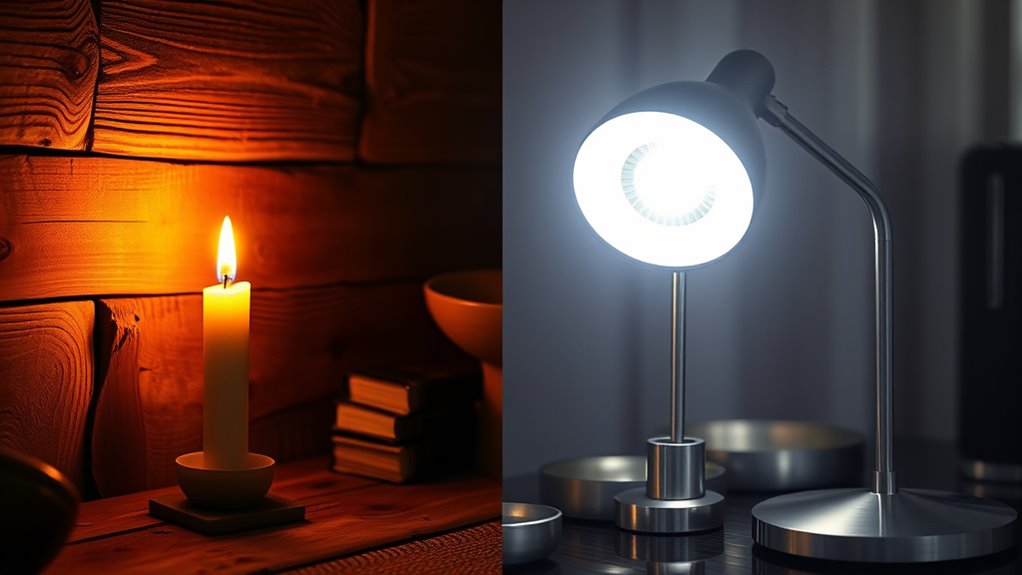
Choosing eco-friendly lighting options allows you to reduce your environmental footprint while saving money in the long run. To make smarter choices, consider these steps:
- Opt for bulbs made with biodegradable materials to minimize waste and pollution.
- Use lighting powered by renewable energy sources like solar or wind, decreasing reliance on fossil fuels.
- Switch to LED bulbs, which consume less energy and last longer, reducing overall environmental impact.
Frequently Asked Questions
How Do Candles Impact Local Biodiversity During Harvesting?
When you harvest materials for candles, your practices can affect local biodiversity. Unsustainable harvesting practices may lead to biodiversity loss by damaging habitats or depleting plant populations. If you don’t follow responsible harvesting methods, you risk disrupting local ecosystems and harming wildlife. To minimize impact, choose sustainably sourced candle ingredients and support responsible harvesting practices that protect biodiversity during the collection process.
What Are the Health Effects of Indoor Candle Smoke Exposure?
Think of indoor candle smoke as a silent villain, quietly impacting your indoor air quality. When you’re exposed, it can irritate your respiratory health, causing coughing, wheezing, or allergies. Long-term exposure may even increase risks of respiratory infections or worsen asthma symptoms. To protect yourself, guarantee good ventilation, choose beeswax or soy candles, and limit burning time. Your lungs will thank you for making smarter choices around candle use.
Are There Eco-Friendly Alternatives to Traditional Paraffin Candles?
Yes, there are eco-friendly alternatives to traditional paraffin candles. You can choose candles made from sustainable waxes like soy, beeswax, or coconut wax, which burn cleaner and are biodegradable. Look for options with biodegradable wicks, such as cotton or wood, to minimize environmental impact. These choices help reduce air pollution and waste, making your candle lighting more environmentally responsible while still providing a warm, comforting glow.
How Does Lighting Choice Affect Overall Carbon Footprint in Urban Areas?
Lighting in urban areas is like steering a ship through a storm—you control the course. When you choose energy-efficient lighting powered by renewable energy, you notably reduce your carbon footprint. This shift minimizes greenhouse gas emissions and conserves resources. Opting for sustainable lighting not only brightens your surroundings but also helps navigate toward a cleaner, greener future, making every switch a powerful step against climate change.
Can Smart Lighting Systems Reduce Environmental Impacts Effectively?
Yes, smart lighting systems can effectively reduce environmental impacts by optimizing energy use and integrating renewable energy sources. They decrease light pollution through precise control, minimizing unnecessary illumination, which benefits both ecosystems and human health. When you adopt smart lighting, you’re actively lowering your carbon footprint, conserving energy, and supporting sustainable practices, making a significant positive difference in urban environments.
Conclusion
Choosing between candles and electric lights is like selecting a path through a forest—one may seem warm and inviting, but it can also lead to unseen scars on the environment. By understanding their true footprints, you can become a lighthouse guiding your home toward sustainability. Every small step shines brighter when you consider the long-term impact, illuminating a future where your choices serve as beacons of hope for a healthier planet.