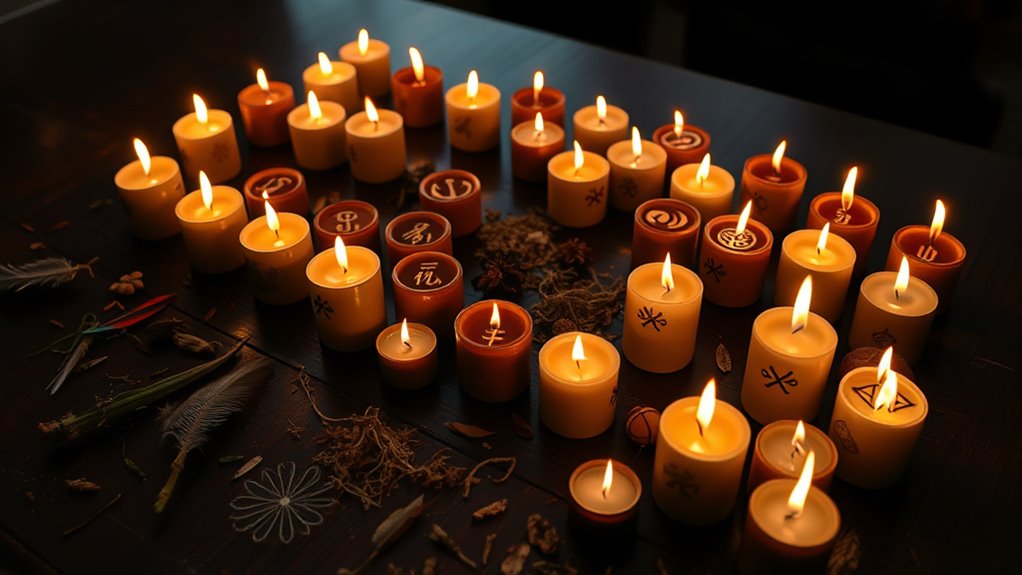

Candle superstitions and symbolism vary widely worldwide, reflecting deep cultural beliefs. In ancient civilizations, candles symbolized divine connection and spiritual enlightenment. Europeans often associate candle colors with specific intentions like love or protection, while blowing them out is seen as bad luck. Asian traditions view candles as symbols of inner peace and spiritual growth. Afro-Caribbean and Latin American rituals use candles to invoke spirits and ward off negativity. Exploring these diverse myths reveals how light shapes cultural stories—continue to learn more.
Key Takeaways
- Different cultures assign specific meanings to candle colors, such as white for purity and red for love, influencing rituals worldwide.
- Blowing out candles is often believed to bring bad luck, with snuffing considered a more auspicious practice in many traditions.
- Candles are used in spiritual practices to invoke spirits, protect against evil, or bring good fortune across various cultures.
- Lighting candles during festivals symbolizes spiritual illumination, cleansing negative energies, and inviting positive intentions.
- In Afro-Caribbean and Latin American rituals, candles serve as vital tools for connecting with spirits, honoring deities, and manifesting desires.

YJHSS 24-Pack 8oz Candle Tins with Lids, Metal Candle Jars for Candle Making, Bulk Empty Containers for Beginners & DIY Storage -Black
Capacity: 8oz =235ml; Dimensions : 3.15" (Diameter) x 2.35" (Height); Each candle tins are made of premium tinplate,...
As an affiliate, we earn on qualifying purchases.
The Use of Candles in Ancient Civilizations

Ancient civilizations valued candles not just for illumination but also for their spiritual and symbolic significance. They recognized the importance of wax origins, deriving from natural resources like beeswax and tallow, which added sacred qualities to the flames. Candle craftsmanship was a highly regarded skill, often reserved for religious rituals and royal ceremonies. You might notice how early artisans perfected the art of molding and decorating candles, transforming simple light sources into symbols of divine presence and power. In Egypt, Greece, and Rome, candles played a vital role in connecting the earthly with the spiritual domain. Their craftsmanship reflected cultural values, with intricate designs and fragrant waxes enhancing their ceremonial importance. The process of creating candles often involved multi-functional craftsmanship, combining artistry with practical and symbolic purposes, which laid the foundation for the symbolic role candles hold today. Additionally, the development of lighting techniques contributed to their significance in rituals and daily life across civilizations.

QAPPDA 8oz Amber Candle Jars Set of 30,Round Glass Jars with Black Lids,Empty 250ml Glass Candle Making Jar Bulk Thick Small Food Storage Jar for Spice,Candy,Powder
Amber Glass Jar with Airtight Lid-Each set includes 30 pack rounded amber glass jars with black screw-on metal...
As an affiliate, we earn on qualifying purchases.
Superstitions and Beliefs in Europe
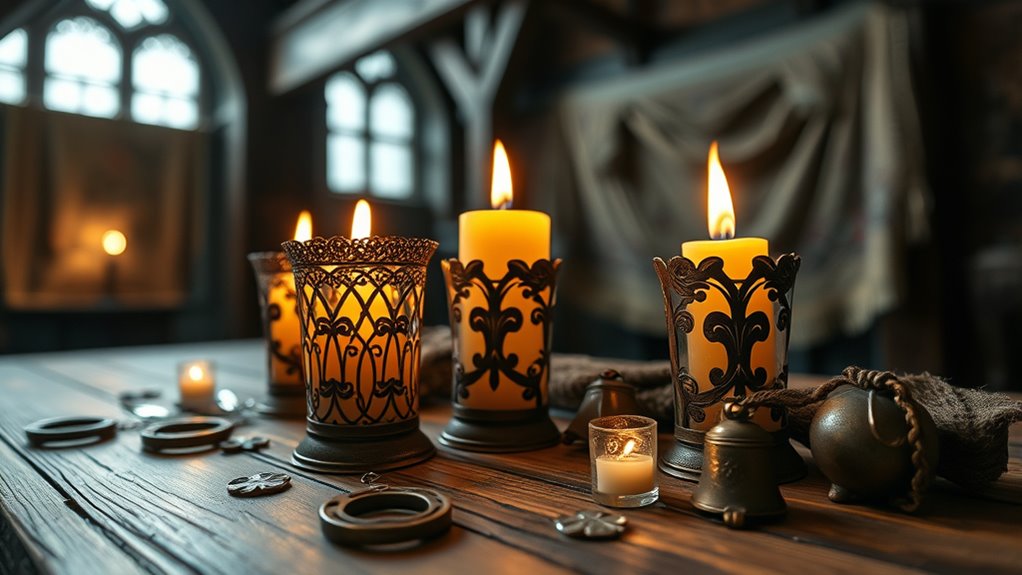
In Europe, candles have long been associated with superstitions and beliefs that influence daily life and rituals. You might notice that candle color meanings play a significant role in these practices. For example, white candles often symbolize purity and protection, while red candles are linked to love and passion. Superstitious candle practices include lighting a candle to ward off evil spirits or to bring good luck. Some believe that blowing out a candle can bring bad luck, so many prefer snuffing it out gently. In certain traditions, leaving a candle burning overnight signifies hope or remembrance. These customs reflect a deep-rooted belief that candles hold power beyond their light, acting as symbols that influence your fate and well-being. Additionally, understanding superstitious practices can help you better interpret cultural rituals involving candles. For example, the belief that candle colors can affect outcomes is a common theme across various European traditions. Moreover, the belief in candle magic underscores the importance of intention and symbolism in these customs. Recognizing the psychological effects of lighting candles can also shed light on why these rituals are so meaningful to many communities.

Syntic 40 Pack Small Glass Jars with Cork Lids, 7oz Empty Mason Jars for Making Candles, Yogurt Container with PE Lids for Wedding Favors, Baby Shower, Candy, Spices with Twine, Labels
Candy Bottles with 6 Kinds of Accessories - Perfectly satisfying your daily lifestyle demands. 40 PE lids +...
As an affiliate, we earn on qualifying purchases.
Candle Symbolism in Asian Cultures
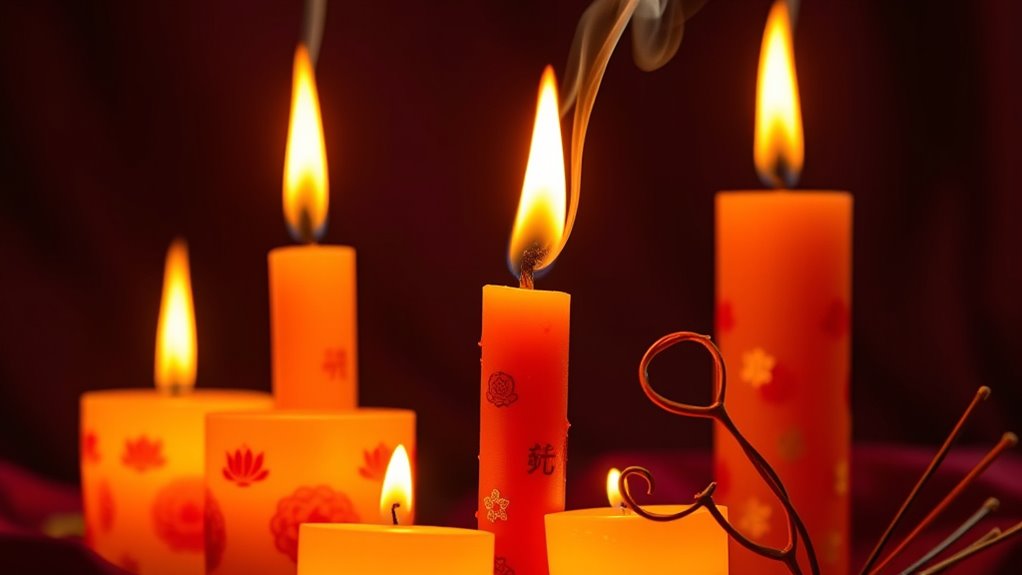
As with European traditions, candles in Asian cultures carry deep symbolic meanings that influence rituals and daily life. In many Asian traditions, candles represent more than light; they embody spiritual illumination and inner peace. Zen symbolism often uses candles to signify enlightenment, guiding practitioners toward clarity and mindfulness during meditation. Lighting a candle can symbolize releasing negative energy and inviting positive intentions. During festivals and rituals, candles create a sacred atmosphere, emphasizing spiritual growth and connection with ancestors. The flickering flame reminds you of the transient nature of life and the importance of mindfulness. Essentially, candles serve as a bridge between the physical and spiritual worlds, helping you focus on inner harmony and spiritual illumination in your everyday practices. Additionally, the symbolism of light in Asian cultures underscores the importance of spiritual purity and clarity in personal development. Recognizing the cultural significance of candles can deepen your understanding of their role in fostering spiritual connection and mindfulness across different traditions. Moreover, the cultural symbolism associated with candles highlights their role as tools for meditation and reflection, enhancing spiritual practices.

Bluetooth Thermal Shipping Label Printer: 4x6 Wireless Label Maker with Tape for Small Business - Compatible with iPhone, Android, Windows & Mac, Widely Used for USPS UPS Ebay Amazon Shopify Etsy
Multi-Label Size Support: Supports thermal labels with a width of 1.57" to 4.3", Compatible with 4x6, 3x2, and...
As an affiliate, we earn on qualifying purchases.
Afro-Caribbean and Latin American Candle Rituals

Across Afro-Caribbean and Latin American cultures, candles play an essential role in spiritual practices and rituals, serving as powerful symbols of connection, protection, and transformation. You might light a candle during voodoo rituals to invoke spirits or request guidance. In santeria practices, candles are used to honor or communicate with specific Orishas, each associated with different colors and intentions. Candles often symbolize a spiritual bridge, helping you focus your energy or manifest desires. They’re also used to ward off negative influences and invite blessings. These rituals are deeply rooted in tradition, blending symbolism with practical spiritual work. Understanding these customs reveals how candles serve as vital tools in connecting the physical and spiritual worlds within these vibrant cultures. Additionally, cultivating spiritual connection through candle rituals can deepen your personal growth and enhance emotional well-being, especially when you understand the cultural significance behind each practice. Exploring the spiritual symbolism of candles can provide insight into their enduring power and relevance in these cultural expressions. Recognizing the cultural context of these rituals can enrich your appreciation and respect for their historical roots and meanings.
Modern Interpretations of Candle Superstitions
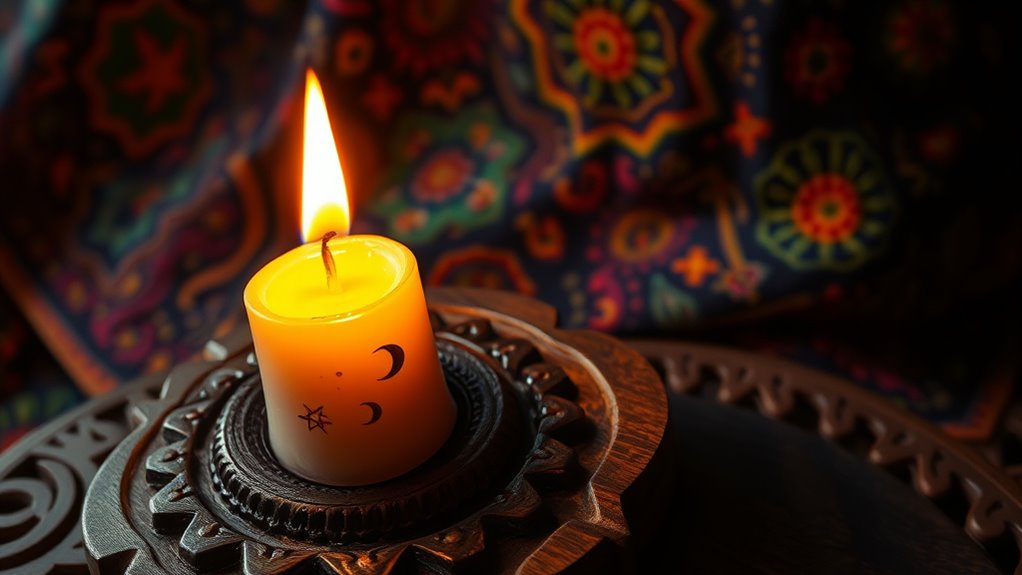
Modern interpretations of candle superstitions often blend traditional beliefs with contemporary practices, reflecting how cultural symbolism evolves over time. You might light a candle for mindfulness, hope, or healing, transforming age-old superstitions into personal candle practices. Today, many see candles as symbols of comfort and intention, rather than just superstition. This shift highlights contemporary candle symbolism’s focus on individual needs and emotions. Additionally, understanding Relationships – Personality Test can deepen the personal significance we assign to candle rituals and their emotional impact. The evolving cultural symbolism of candles demonstrates how societal values influence personal rituals and beliefs.
Frequently Asked Questions
How Do Candle Colors Influence Their Superstitious Meanings Worldwide?
You should recognize that candle color symbolism varies worldwide, influencing superstitious meanings. For example, red candles often symbolize love and passion, while white candles represent purity and peace across many cultures. International color superstitions link specific hues to luck, protection, or negativity, so you might choose a candle color carefully based on your intentions or cultural background. Understanding these differences helps you harness the power of candle symbolism effectively.
Are There Specific Candles Used for Protection or Healing in Different Cultures?
You might think all candles are the same, but many cultures use specific candles for protection or healing. Candle rituals hold deep cultural significance, with white or green candles often linked to safety and health. For example, in spiritual practices, lighting a protection candle can ward off negative energies, while healing candles are used in rituals to promote recovery. These traditions highlight the powerful role of candles in cultural healing and safeguarding practices.
What Are Some Unusual or Forgotten Candle Superstitions Across Ancient Civilizations?
In ancient rituals, you might not realize that forgotten customs involved lighting candles to ward off evil spirits or guarantee good harvests. For example, some civilizations believed that extinguishing a candle during a storm could break curses, while others used specific colored candles in rituals for protection. These unusual superstitions reveal how deeply candles were intertwined with daily life and spiritual beliefs across forgotten civilizations.
How Do Modern Practices Incorporate or Reject Traditional Candle Superstitions?
Modern rituals often incorporate candle symbolism, but many people reject traditional superstitions, viewing them as outdated. You might use candles to create ambiance or mark special occasions without believing in their superstitions. Some embrace the spiritual aspect, while others focus solely on aesthetic or emotional benefits. Overall, there’s a trend toward superstition rejection, blending ancient symbolism with contemporary practices that emphasize mindfulness and personal meaning.
Are There Any Superstitions Linking Candles to Specific Life Events or Milestones?
Candles act like guiding stars in your life’s journey, especially during milestone moments. You might light birthday candles to symbolize wishes and hopes, or incorporate them into wedding traditions to represent love and new beginnings. Some superstitions suggest that the way candles burn during these events can influence your future, urging you to pay attention to their flicker and flame, as if they’re whispering secrets about your path ahead.
Conclusion
Did you know that candles are used in over 80% of spiritual practices worldwide? From ancient civilizations to modern rituals, their symbolism remains powerful. By understanding these superstitions, you can deepen your connection to traditions that span continents and centuries. Whether lighting a candle for hope, protection, or remembrance, you participate in a timeless ritual. Embrace the mystery behind candle superstitions, and let their stories illuminate your own spiritual journey.