
When starting candle making, it’s helpful to understand terms like wick size, material, and burn pool. The wick’s size and material affect how your candle burns, scent throw, and safety. Choosing the right wick and adjusting its length guarantees even melting and reduces tunneling. Container size and wax type also matter. Mastering these terms helps you create better candles. Explore more to discover how these concepts come together for the perfect candle every time.

Get decor and gifts delivered free with Prime
- Fast, free delivery on millions of items
- Prime Video, Amazon Music and more included
- Member-only deals all year
Key Takeaways
- Wick size and material affect burn quality, scent throw, and safety of the candle.
- Proper wick anchoring and length adjustments ensure an even, safe burn.
- Container diameter influences wick selection to prevent tunneling and uneven melting.
- Factors like wax type and fragrance load impact wick performance and candle burn behavior.
- Testing different wick sizes and materials helps optimize candle burning and scent throw.
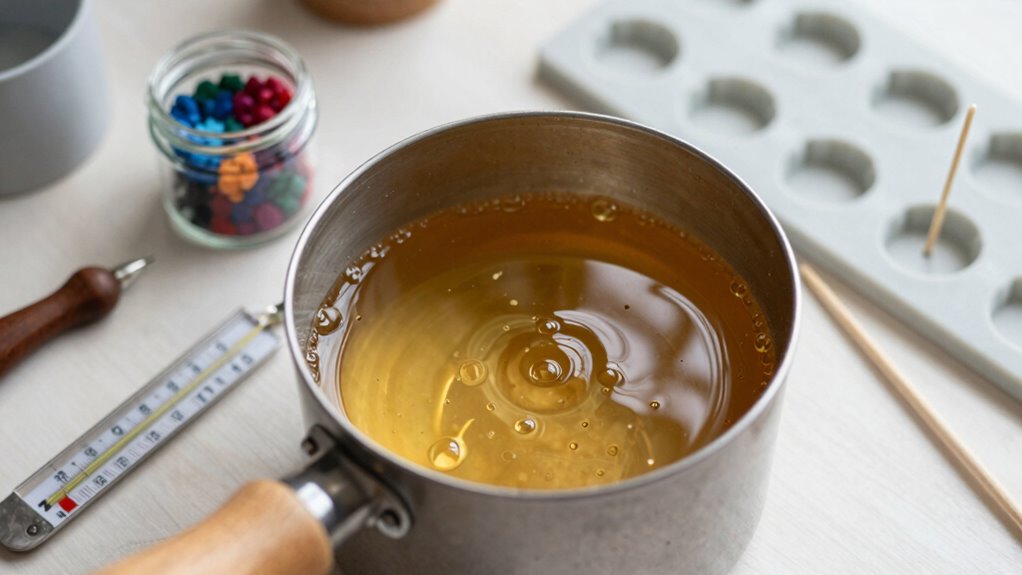
Wick selection techniques are just as crucial in candle making. The wick you choose influences how well your candle burns, how evenly it melts, and whether it produces soot or excess smoke. The main factors to think about are the wick size, material, and type. A wick that’s too small may cause tunneling, where the wax melts only around the wick, wasting material and leaving unmelted wax on the sides. Conversely, a wick that’s too large can burn too quickly, potentially creating a fire hazard or causing the candle to burn unevenly. When selecting a wick, you should consider the diameter of your container, the type of wax you’re using, and the fragrance load, as some scents can affect burn performance. Techniques for wick selection often involve testing different sizes and materials—such as cotton, wood, or hemp—to see which performs best for your specific candle. Proper wick choice guarantees a clean, consistent burn and maximizes the scent throw, making your candles more enjoyable and safe to use. Additionally, understanding scent profiles helps in creating harmonious fragrance blends that enhance the overall candle experience. It’s also helpful to learn about wick anchoring techniques to ensure the wick remains centered and stable during burning. For optimal results, consider wick length adjustments to achieve the ideal burn pool and prevent tunneling. Experimenting with different wick materials can help optimize burning characteristics for your particular candle recipe. Moreover, knowing how wick composition influences combustion can aid in selecting the best wick for your desired burn qualities.
candle making wick size and material
As an affiliate, we earn on qualifying purchases.
As an affiliate, we earn on qualifying purchases.
Frequently Asked Questions
What Safety Gear Is Recommended for Candle Making?
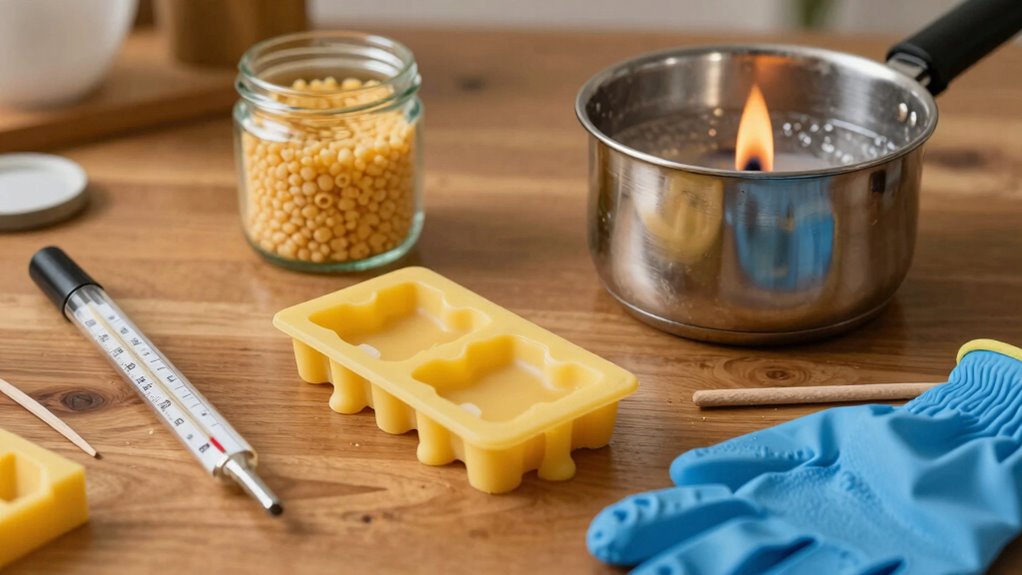
You should wear protective gloves to prevent burns and skin irritation while handling hot wax and fragrances. A good ventilation system is essential to avoid inhaling fumes from melted wax and scents. Make sure your workspace is well-ventilated, and consider using a fan or open window. These safety measures help you stay safe and comfortable during candle making, ensuring a fun and injury-free experience.
How Do I Troubleshoot Uneven Burning Candles?
To fix uneven burning candles, start by trimming the wick to about a quarter inch before each burn. If you notice wax pooling on one side, gently adjust the wick to encourage even melting. Keep an eye on the candle to prevent tunneling. Proper wick adjustment helps promote a steady flame, reducing uneven burning and wax pooling. This guarantees your candle burns evenly and lasts longer.
Can I Use Recycled Wax for Making Candles?
Yes, you can absolutely use recycled wax for making candles! Recycling wax not only saves money but also creates eco-friendly candles that help the environment. Imagine turning old wax into beautiful, new creations—it’s like giving a second life to something that would otherwise be wasted! Just make sure to strain out any debris and check for fragrances or dyes, so your recycled candles burn smoothly and look stunning.
What Are the Best Containers for Homemade Candles?
The best containers for homemade candles are versatile, safe, and match your style. Consider candle container styles like glass jars, metal tins, or ceramic holders for a sleek look. Reusable jar options, such as recycled glass or metal tins, offer eco-friendly choices that you can repurpose after burning. Make certain your container is heat-resistant and has proper ventilation. This way, your candles burn safely and look attractive in any space.
How Do I Customize Candle Scents Effectively?
To customize candle scents effectively, start with scent blending techniques by combining complementary essential oils for candles. Experiment with small batches, adding oils gradually to find your perfect balance. Use essential oils like lavender, citrus, or vanilla for different moods. Keep track of your blends and note the ratios. This way, you’ll create unique, personalized candles that evoke specific feelings or atmospheres, making your candles truly one-of-a-kind.
Conclusion
Now that you know these essential candle making terms, you’re ready to start creating your own beautiful candles. Don’t worry if it feels overwhelming at first—think of it like baking a cake; with practice, it’ll become second nature. Imagine the warm glow and inviting scent of your finished masterpiece, filling your space with cozy ambiance. Keep experimenting, and soon, you’ll be confidently crafting candles that brighten every room and mood.
Halloween Picks
halloween
As an affiliate, we earn on qualifying purchases.