
Your candle color choices are shaped by emotions, cultural meanings, and subconscious cues. For example, red sparks passion, while blue promotes calmness. Cultural symbolism also influences what colors feel right, like white representing purity or red symbolizing good luck. These colors guide your decisions beyond surface preferences, often aligning with your emotional needs. Exploring how these influences work can help you make more intentional selections. If you want to uncover more about this fascinating connection, keep exploring.

Get decor and gifts delivered free — and shop member deals
- Fast, free delivery on millions of items
- Access to Prime Big Deal Days deals on October 6–7
- Prime Video, Amazon Music and more included
Key Takeaways
- Candle colors evoke specific emotions, guiding buyers to select hues aligned with their desired mood or outcome.
- Cultural symbolism influences perceptions, making certain colors more attractive based on personal or cultural associations.
- Color psychology impacts decision-making by associating hues with concepts like love, calm, or growth.
- Subconscious preferences steer choices, with buyers often selecting colors that reflect their emotional needs or intentions.
- Recognizing visual cues and symbolism enhances mindful shopping, allowing for more intentional and meaningful candle selections.
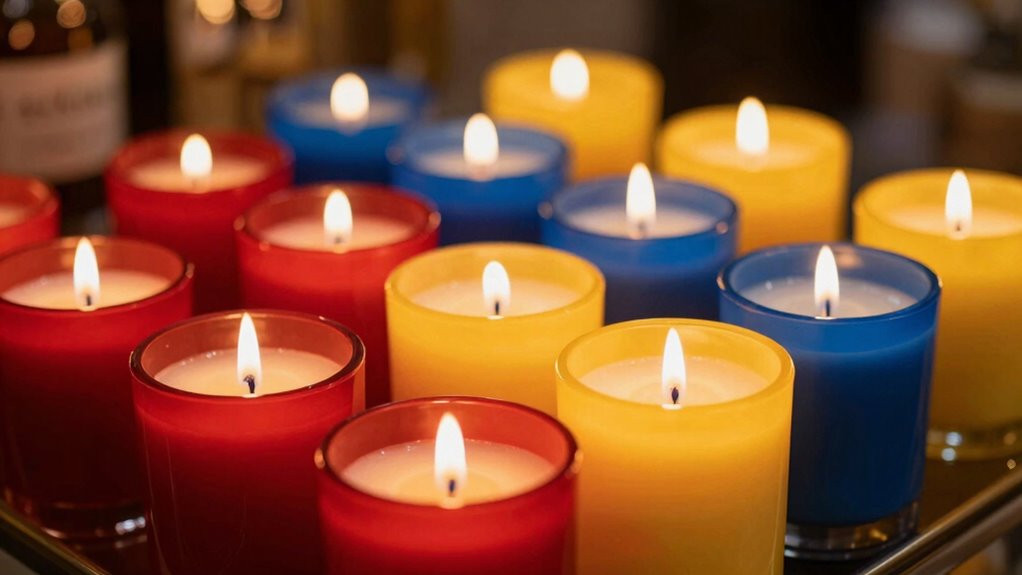
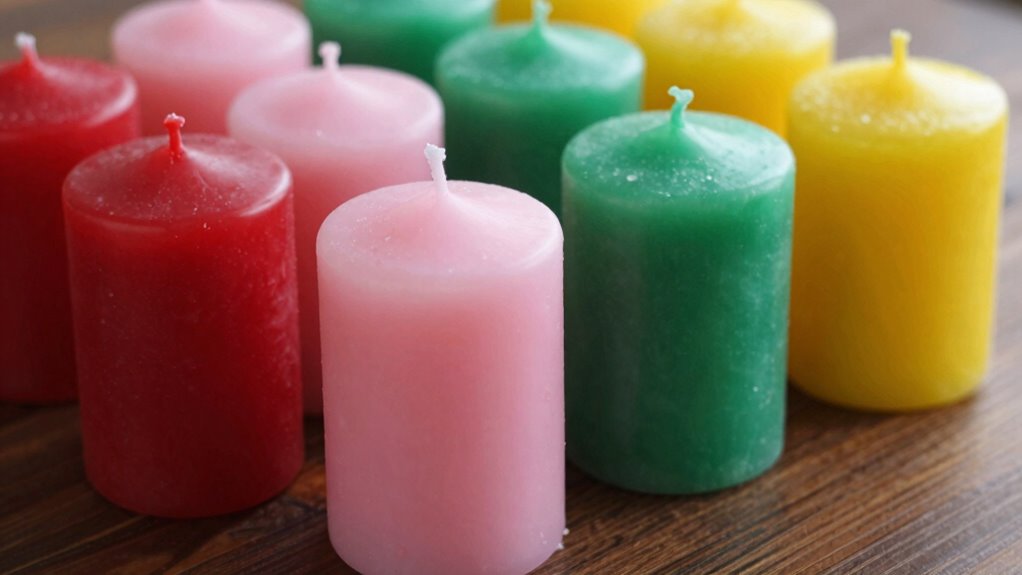
Candle colors play a significant role in influencing your buying decisions, as each hue is often associated with specific emotions, energies, or intentions. When you pick a candle, you’re not just choosing a decorative item; you’re subconsciously aligning your choice with the feelings you want to evoke or the message you want to send. For example, red candles are commonly linked to passion and love, making them a popular pick for romantic occasions or to ignite feelings of excitement. Blue candles, on the other hand, are associated with calmness and tranquility, often chosen to promote relaxation or mental clarity. Your emotional associations with certain colors guide your preferences, helping you select candles that resonate with your current mood or desired outcome.
Cultural symbolism further influences your decisions. Different cultures interpret colors in unique ways, which can shape your perception of a candle’s significance. In Western societies, white candles typically symbolize purity, peace, and new beginnings, making them a go-to choice for weddings or spiritual rituals. Meanwhile, in some Eastern cultures, red is considered a color of good luck and prosperity, prompting you to choose red candles for celebrations or to attract positive energy. These cultural meanings often deepen your emotional connection to a specific color, reinforcing your decision to buy a particular candle based on the tradition or belief system you follow. Recognizing the cultural symbolism associated with different hues can help you understand why certain colors hold particular significance for you or others.
Your understanding of emotional associations and cultural symbolism creates a nuanced landscape for your choices. You might select a green candle because it signifies growth, renewal, or abundance, aligning with your personal goals or aspirations. Or, you may opt for a purple candle, which is linked to luxury, spirituality, and wisdom, if you’re seeking to elevate a sacred space or enhance your meditation practice. Recognizing these underlying influences helps you make more conscious decisions, turning a simple purchase into an intentional act. It’s not just about aesthetics; it’s about aligning your purchase with your emotional needs and cultural values. Color psychology plays a crucial role in shaping your preferences, as it explores how different hues can influence your mood and behavior. Additionally, understanding the psychological impact of colors can help you select candles that truly support your desired environment or mindset.
Ultimately, your choices are shaped by a blend of these associations—emotional and cultural—that imbue each color with meaning. When you understand the symbolism behind the hues, you become more intentional about your selections. Whether you’re buying a candle for yourself or as a gift, knowing how colors influence your subconscious can help you pick the right one to evoke the feelings or energies you desire. This awareness transforms a routine shopping experience into a meaningful act, guided by the deep symbolism and emotional resonance each color holds. Recognizing color symbolism can enhance your overall understanding of how visual cues impact your decision-making process.
aromatherapy candles for relaxation
As an affiliate, we earn on qualifying purchases.
As an affiliate, we earn on qualifying purchases.
Frequently Asked Questions
Do Candle Colors Affect Their Scent Choices?
Yes, candle colors do affect scent choices because of color psychology and scent pairing. You might choose calming blue candles with lavender scents or energizing red candles with citrus aromas. Colors influence your mood and preferences, guiding you toward specific scents that match your emotional or aesthetic needs. When selecting candles, consider how color and scent work together to create the atmosphere you desire, making your choice more intentional and satisfying.
Are Certain Candle Colors More Popular in Specific Seasons?
Absolutely, certain candle colors shine brighter during specific seasons, much like a beacon guiding festive decor choices. You’ll find warm reds and greens in winter, echoing seasonal symbolism, while pastels bloom in spring’s renewal. These colors evoke feelings and traditions, making them more popular at particular times. By choosing colors aligned with the season, you enhance your ambiance, turning your space into a visual symphony that celebrates the spirit of each time of year.
How Do Cultural Differences Influence Color Preferences?
Cultural symbolism and regional preferences heavily influence your color choices. In some cultures, red symbolizes luck and prosperity, making it a popular candle color, while in others, white signifies purity and peace. Your preferences are shaped by these cultural meanings, guiding your selections during holidays or rituals. Understanding these differences helps you connect more deeply with cultural traditions, making your candle purchases more meaningful and personalized.
Can Candle Color Impact Perceived Candle Quality?
Yes, candle color can impact perceived quality through color psychology and marketing strategies. Bright, rich colors often suggest high quality and luxury, making your candles more appealing. Conversely, dull or inconsistent colors might signal lower quality. By choosing colors strategically, you influence customer perception and boost sales. Understanding how color psychology aligns with your branding helps craft a compelling visual message, enhancing your candle’s perceived value.
Do Color Trends Change Consumer Purchasing Habits?
Yes, color trends do change your purchasing habits. You’re influenced by color psychology, which shapes how you perceive a candle’s mood and appeal. When trends shift towards specific colors, you’re more likely to buy candles that match current styles, reinforcing brand identity. You naturally gravitate toward colors that resonate with your emotions or fit your decor, making it easier for brands to attract your attention with trendy hues.
Conclusion
Remember, the colors you choose can speak volumes to your customers and influence their buying decisions. Bright hues attract attention, while calming shades create a sense of tranquility. By understanding the psychology behind candle colors, you can craft an inviting atmosphere that resonates with your audience. As the saying goes, “You are what you wear,” and in this case, what your candles look like can shape how customers feel and decide. Use colors wisely to make a lasting impression.
Fall Picks
fall essentials
As an affiliate, we earn on qualifying purchases.