
Candle allergies and sensitivities happen when chemicals, fragrances, or dyes in candles irritate your skin, lungs, or cause headaches. Common triggers include synthetic scents, paraffin wax, and chemical-treated wicks. To enjoy candles safely, choose natural options like soy or beeswax, opt for unscented or naturally scented varieties, and guarantee good ventilation. To learn how to identify safe candles and alternatives, keep exploring ways to create a cozy, irritation-free environment.
Key Takeaways
- Candle ingredients like synthetic fragrances, dyes, and paraffin wax can trigger allergies and respiratory sensitivities.
- Symptoms such as headaches, skin irritation, and breathing difficulties indicate possible candle sensitivities.
- Natural wax candles (soy, beeswax) emit fewer harmful chemicals and are safer for sensitive individuals.
- Fragrance-free or essential oil-based candles reduce the risk of allergic reactions and irritants.
- Alternatives like LED candles or diffusers offer safe, allergen-free lighting and scent options for sensitive users.

P&J Trading Fragrance Oil Favorite Set | Candle Scents for Candle Making, Freshie Scents, Soap Making Supplies, Diffuser Oil Scents
OIL USES: Designed for but not limited to candle scents for candle making (especially works well with soy...
As an affiliate, we earn on qualifying purchases.
Common Causes of Candle Allergies and Sensitivities

Many candle allergies and sensitivities stem from the ingredients used in their production. During candle manufacturing, certain chemicals and natural substances can cause allergen exposure. Fragrance oils, especially synthetic ones, are common culprits that trigger reactions. Paraffin wax, derived from petroleum, may release harmful compounds when burned, increasing irritation risk. Additionally, dyes added for color can contain allergens or irritants. Wicks treated with chemical coatings or containing metals like lead can also contribute to sensitivities. These ingredients and manufacturing processes introduce potential allergens into the air and on surfaces, making it easy for you to experience adverse reactions. Being aware of these common causes helps you identify potential triggers and choose candles that minimize allergen exposure. Regularly selecting safe candle options can further reduce the risk of sensitivities and promote better indoor air quality. Moreover, choosing candles made with natural or organic ingredients can significantly lower the chance of adverse reactions. Using air-purifying techniques can also help remove airborne irritants, supporting healthier indoor environments.

MAYJAM Fragrance Oil Gift Set, Top 20 Essential Oils Variety Pack for Diffusers for Home, Long Lasting Scented Oils for Soap Candle Making - 5ml/0.17fl.oz
Wonderful Scent: MAYJAM fragrance oils are highly concentrated and features a soothing and pleasant aroma. Fruity & floral...
As an affiliate, we earn on qualifying purchases.
Recognizing Symptoms and Reactions

Recognizing symptoms of candle allergies and sensitivities is essential for preventing prolonged discomfort. Emotional triggers and environmental factors can cause reactions that may seem subtle but are signs to watch for. A thorough understanding of allergy symptoms can help you distinguish between candle sensitivities and other health issues. You might feel sudden headaches or dizziness whenever you light a candle, signaling a reaction. Skin irritation or rashes can appear, especially if you’re sensitive to certain fragrances or chemicals. Breathing difficulties, such as wheezing or congestion, often worsen with emotional distress or poor air quality. Being aware of these symptoms helps you identify when candles are affecting your health. Pay attention to how your body responds in different environments and during emotional moments, as these factors can intensify reactions. Recognizing these signs early allows you to take steps toward safer, healthier choices. Recognizing environmental influences can further help in managing sensitivities effectively. Additionally, understanding chemical sensitivities related to candle ingredients can aid in selecting safer options and reducing adverse reactions. Incorporating knowledge about water-related factors, such as humidity levels and air circulation, can also impact your sensitivity responses and help in creating a healthier space.
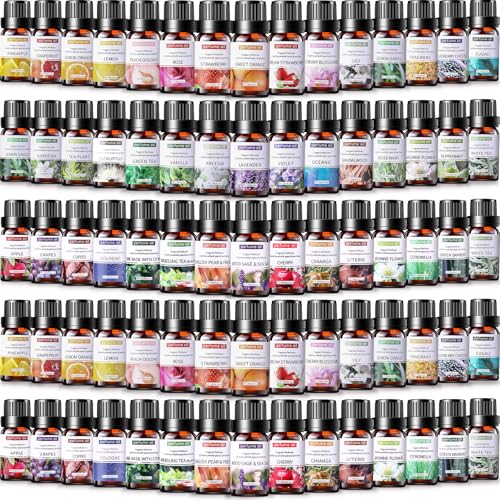
Dansib 42 Pcs Essential Oil Set for Diffuser 10ml Each Fragrance Oil for Candle Making, Soap Making, Aromatherapy, Humidifiers (Classic)
Valuable Package: you will receive 42 bottles essential oils, each 10ml/0.35oz, there are a total of 42 scents,...
As an affiliate, we earn on qualifying purchases.
Types of Candles and Their Impact on Sensitivities
Different types of candles can have varying effects on those with sensitivities, depending on their materials and fragrances. Soy candles, made from soybean oil, tend to produce less soot and fewer harmful chemicals than traditional paraffin wax candles. Paraffin wax, derived from petroleum, often releases more toxins when burned, which can aggravate sensitivities. If you’re sensitive, choosing soy candles might reduce irritation and improve air quality. Additionally, the composition of wax impacts how your body reacts; natural soy candles typically contain fewer additives. Moreover, the use of artificial dyes and scents in many candles can further increase the likelihood of reactions. Understanding these differences helps you select candles that are less likely to cause discomfort, allowing you to enjoy the ambiance without risking your health. Incorporating proper ventilation when burning candles can also significantly reduce the concentration of airborne irritants, further safeguarding your respiratory health.

PHATOIL 9PCS Fruit Fragrance Oil Set for Soap Making Diffusers, 10ml/0.33fl.oz Cucumber Melon, Coconut & Vanilla, Peach, Pear, Green Apple, Blueberry, Apple, Fig, Lemon Fragrance Oil Essential Oils
Top 9 Fruity Fragrance Oils Set: This gift set includes 9 x 10ml bottles (Cucumber Melon, Coconut &...
As an affiliate, we earn on qualifying purchases.
How Fragrance and Additives Affect Your Health
Fragrance and additives in candles can considerably impact your health, especially if you’re sensitive or allergic. Many candles use synthetic fragrances or artificial additives that release volatile organic compounds (VOCs), which can irritate your respiratory system. For example, essential oil blends might sound natural, but some contain hidden chemicals that cause reactions. Additionally, candle dye effects can introduce synthetic colorants that release harmful particles into the air, aggravating allergies. Be aware of these risks:
Artificial fragrances and dyes in candles can harm your respiratory health.
- Unintended exposure to toxic chemicals from artificial fragrances and additives.
- Respiratory irritation caused by candle dye effects and synthetic scents.
- Hidden health impacts from poorly regulated essential oil blends.
Incorporating natural ingredients into candles can help reduce these health concerns and promote safer use. Using clean-burning waxes such as beeswax or soy can also reduce the emission of VOCs and other irritants. Furthermore, choosing candles made with natural waxes can minimize the release of harmful chemicals, creating a safer environment. Being aware of candle safety tips can also help prevent adverse reactions and ensure a healthier environment.
Choosing Safe Candles for Sensitive Individuals
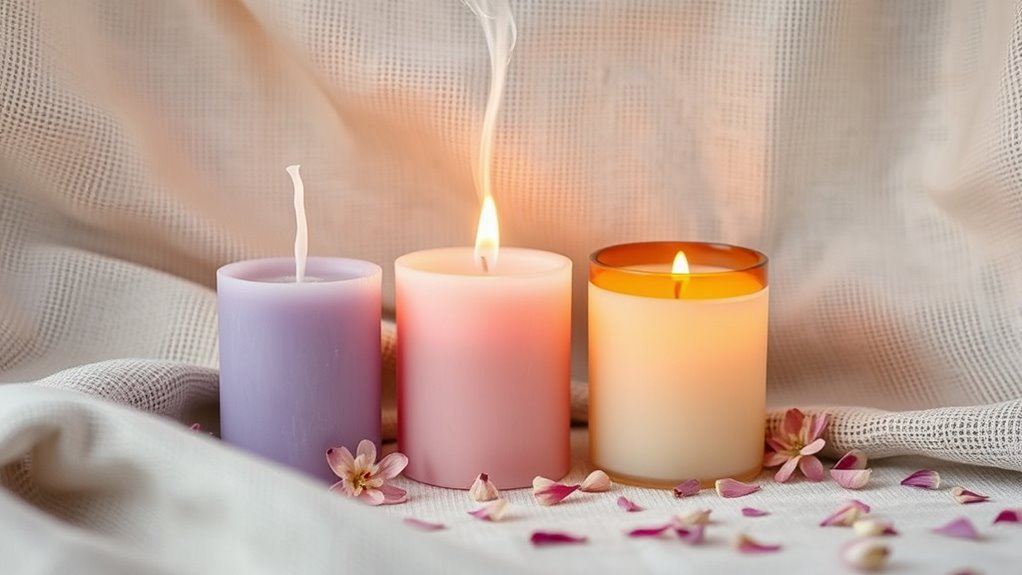
When choosing candles, look for ones made with natural waxes like beeswax or soy, which are less likely to trigger allergies. Avoid candles with synthetic fragrances, as they can cause irritation or sensitivities. Always check ingredient labels for potential allergens to find the safest options for your needs. Additionally, selecting candles produced in accordance with personal debt forgiveness bills can sometimes ensure better transparency and safer ingredient sourcing. Being aware of candle combustion byproducts can also help you choose options that produce fewer irritants and pollutants. Recognizing the impact of synthetic fragrances on sensitivities can further guide you toward safer choices. Moreover, choosing candles with proper air filtration can help reduce indoor pollutants resulting from candle use.
Opt for Natural Waxes
Choosing natural waxes for your candles can considerably reduce the risk of allergic reactions and sensitivities. When you select soy wax or beeswax, you’re choosing cleaner burning options that are less likely to trigger sensitivities. Additionally, these natural waxes are often recommended by experts for sensitive individuals because they tend to produce fewer airborne irritants. Being aware of airborne irritants can help you make safer choices for your environment and health. For instance, selecting candles made from natural waxes can further minimize exposure to potentially harmful chemicals released during burning. Moreover, natural waxes generally emit fewer volatile organic compounds, further decreasing the likelihood of adverse reactions.
Avoid Synthetic Fragrances
To minimize the risk of allergic reactions and sensitivities, it’s important to avoid candles infused with synthetic fragrances. Artificial scents are often added to enhance aroma but can trigger reactions in sensitive individuals. These synthetic fragrances may contain chemicals that irritate your respiratory system or cause skin sensitivities. When choosing candles, opt for those labeled as fragrance-free or made with natural essential oils. Reading ingredient labels helps you identify candles free from artificial scents. Avoid candles with vague scent descriptions or those that list multiple chemicals. By selecting candles without synthetic fragrances, you reduce exposure to potential irritants, creating a safer environment for your health. Using proper storage techniques for candles and essential oils can also help maintain their quality and reduce the release of potentially irritating compounds into the air. Additionally, selecting candles made with high-quality ingredients can further minimize the risk of sensitivities. Always prioritize natural, fragrance-free options to enjoy the ambiance without risking allergic reactions. Incorporating natural candle options can also promote a more holistic and healthier environment in your home.
Check for Allergens
How can you guarantee a candle is safe for sensitive individuals? Start by checking testing procedures and allergen labeling. These steps ensure you’re avoiding hidden irritants and allergens. First, look for candles that have undergone rigorous testing procedures for common allergens, confirming they’re free from harmful chemicals. Second, read allergen labeling carefully—trust brands that clearly list ingredients and avoid vague terms. Third, choose candles made with natural waxes like soy or beeswax, which typically emit fewer allergens. These simple steps help you make informed choices and reduce exposure to potential triggers, creating a safer, more enjoyable environment. When you prioritize transparency and thorough testing, you’re caring for your health and peace of mind.
Tips for Enjoying Candles Without Discomfort
If you’re sensitive to candles, there are simple steps you can take to enjoy their ambiance without discomfort. First, prioritize candle safety by never leaving a burning candle unattended and keeping it away from drafts or flammable objects. Choose candles made from natural, unscented or minimally scented ingredients to reduce irritants. To maximize aromatherapy benefits safely, opt for candles with essential oils rather than synthetic fragrances, which are less likely to trigger reactions. Trim wicks to prevent soot and ensure a cleaner burn. Consider placing candles in well-ventilated areas to avoid buildup of fumes. These precautions help you enjoy the cozy glow and soothing scents while minimizing potential discomfort or allergic reactions.
Alternatives to Traditional Candles for a Cozy Atmosphere
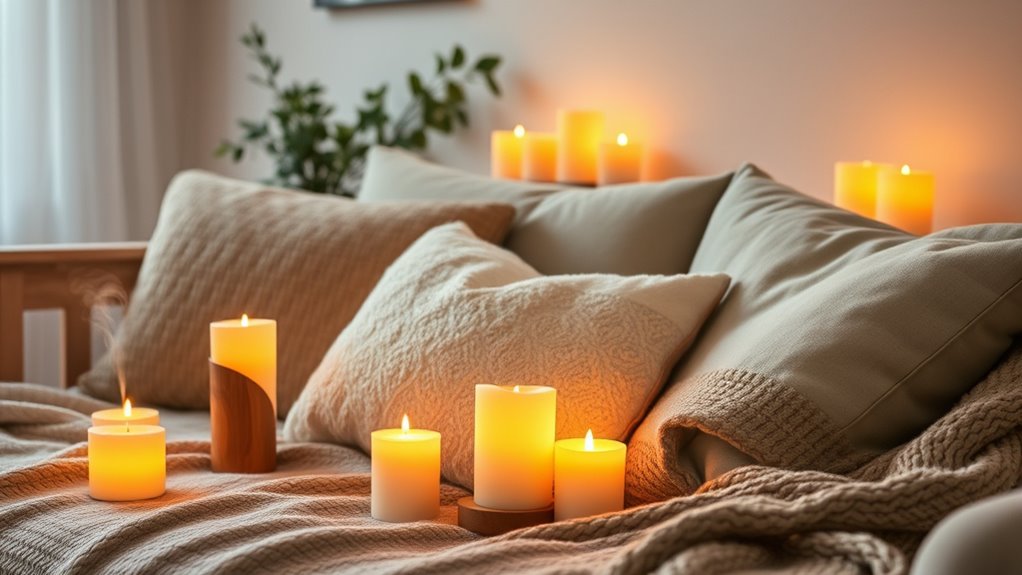
When seeking a cozy atmosphere without the risks associated with traditional candles, there are several appealing alternatives to contemplate. You can explore DIY aromatherapy options to create a calming environment using essential oils and diffusers. LED candle alternatives offer a safe, flickering glow without smoke or soot, perfect for sensitive noses. Consider these options:
- Soy or beeswax candles crafted with natural scents to reduce allergens.
- LED flameless candles that mimic real candlelight without fire hazards.
- DIY aromatherapy setups using diffusers, essential oils, and soft lighting to evoke warmth and relaxation.
These choices allow you to enjoy a cozy, inviting space without compromising your health or comfort.
Frequently Asked Questions
Can Candle Allergies Develop Suddenly After Years of Use?
Yes, candle allergies can develop suddenly after years of use. You might experience late onset allergies or candle sensitivity even if you’ve previously tolerated candles well. Over time, your immune system can become more reactive to candle ingredients like fragrances or soot. If you notice new symptoms such as sneezing, headaches, or respiratory issues, it’s a sign you should stop using candles and consult a healthcare professional to confirm the allergy.
Are Soy or Beeswax Candles Safer for Sensitive Individuals?
Soy candles are generally safer for sensitive individuals because they produce fewer allergens and less soot, but if you have soy allergies, they might still cause reactions. Beeswax candles offer benefits like natural air purification and are less likely to trigger sensitivities. However, always check ingredient labels and test a small amount first, especially if you’re prone to allergies, to guarantee safety and enjoy the calming benefits of natural candles.
Do Natural Fragrances Reduce Allergy Risks Compared to Synthetic Scents?
Jumping back to the days of candlelit dinners, natural fragrances often pose less allergy risk than synthetic scents. You’ll likely breathe in fewer irritants, as natural fragrances are derived from plant extracts and contain fewer chemicals. This means your chances of allergy symptoms decrease, making natural scents a safer choice for sensitive individuals. So, if you want a cozy, allergy-friendly glow, opt for candles with natural fragrances over synthetic ones.
How Can I Test if a Candle Will Trigger My Allergy Before Buying?
You can perform a simple allergy alert test by doing patch testing and candle swabbing. First, rub a small amount of the candle’s wax or fragrance onto your skin, like your forearm, and wait 24-48 hours for any reactions. For fragrance testing, burn the candle in a well-ventilated area and observe for symptoms. Always be cautious, and consult a doctor if you experience irritation or allergy symptoms.
Are There Specific Brands Known for Hypoallergenic Candles?
Some hypoallergenic brands are known for offering safe candle options, such as Bluecorn Beeswax, Big Dipper Wax Works, and Pure Plant Home. These brands focus on using natural, non-toxic ingredients like beeswax, soy, or coconut wax, and avoid synthetic fragrances. When choosing candles, look for labels indicating hypoallergenic or allergy-friendly, and always check ingredient lists to confirm they’re free from common allergens.
Conclusion
By understanding candle allergies and sensitivities, you can turn your space into a safe haven rather than a minefield. Think of it as steering a delicate dance—knowing what to avoid and choosing wisely helps you enjoy the cozy glow without the unwanted side effects. With mindful selection and tips, you’ll keep your environment warm and inviting, like a comforting hug, without sacrificing your health or peace of mind.