
When choosing a candle wick size, make sure it’s suited for your container and wax type. An undersized wick causes tunneling and wastes wax, while an oversized wick burns too fast and creates soot. Use wick sizing charts as a helpful guide, but don’t forget to test and record your results. Understanding wick materials and experimenting with different sizes can improve your candles’ safety and performance. Keep exploring for more tips to perfect your craft.

Get decor and gifts delivered free with Prime
- Fast, free delivery on millions of items
- Prime Video, Amazon Music and more included
- Member-only deals all year
Key Takeaways
- Choose the correct wick size based on candle container diameter and wax type to ensure safe, even burning.
- Use wick sizing charts as a helpful starting point, but expect to experiment for optimal results.
- Conduct test burns and record outcomes to determine the best wick size and material for your candles.
- Understand how different wick materials (cotton, wood, hemp) affect burn quality and performance.
- Proper wick selection prevents tunneling, soot, and safety hazards, leading to a better candle-making experience.
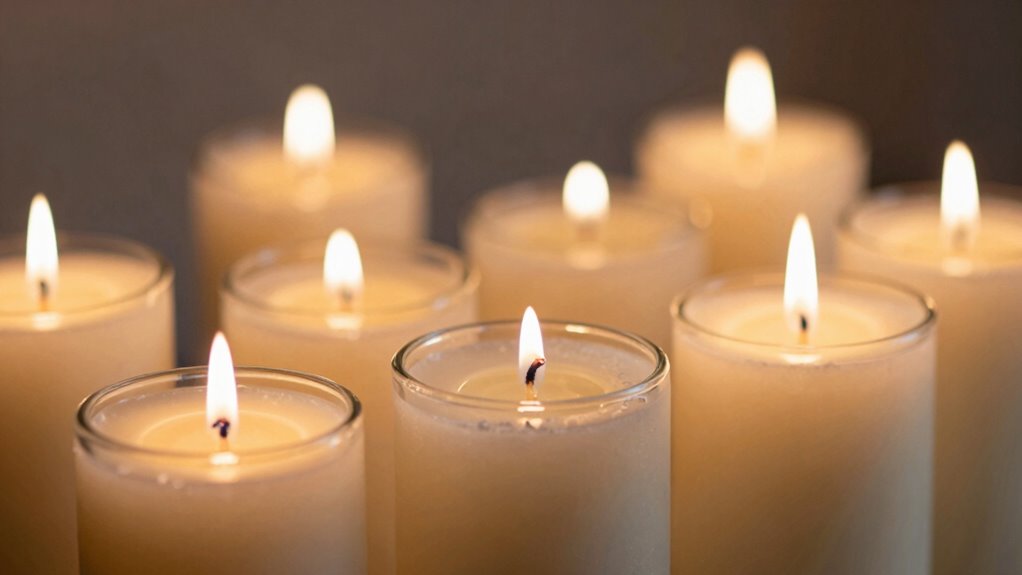
Choosing the right candle wick size is essential for beginners to guarantee a safe and even burn. When starting out, it’s important to understand that the wick directly affects how your candle performs. An undersized wick might cause your candle to tunnel, where the wax only melts around the wick, wasting wax and preventing a proper scent throw. Conversely, an oversized wick can burn too quickly, create excessive soot, or even pose safety hazards. To get it just right, you need to consider factors like candle size, wax type, and the specific custom wick materials you choose.
Choosing the correct wick size ensures a safe, even burn and prevents tunneling or excessive soot.
Many beginners rely on wick sizing charts to determine the ideal wick for their candles. These charts provide guidelines based on the diameter of your container or pillar and the type of wax you’re using. They are a helpful starting point because they simplify the process, helping you select a wick that will burn evenly and safely. Keep in mind that wick sizing charts are general recommendations, so some experimentation might be necessary to perfect your candles. As you gain experience, you’ll learn how different factors influence burn rate, and you can fine-tune your wick choices accordingly. Understanding wick characteristics can also help you select the most suitable material for your specific candle type. Additionally, learning about wick testing methods can improve your results and ensure consistent performance.
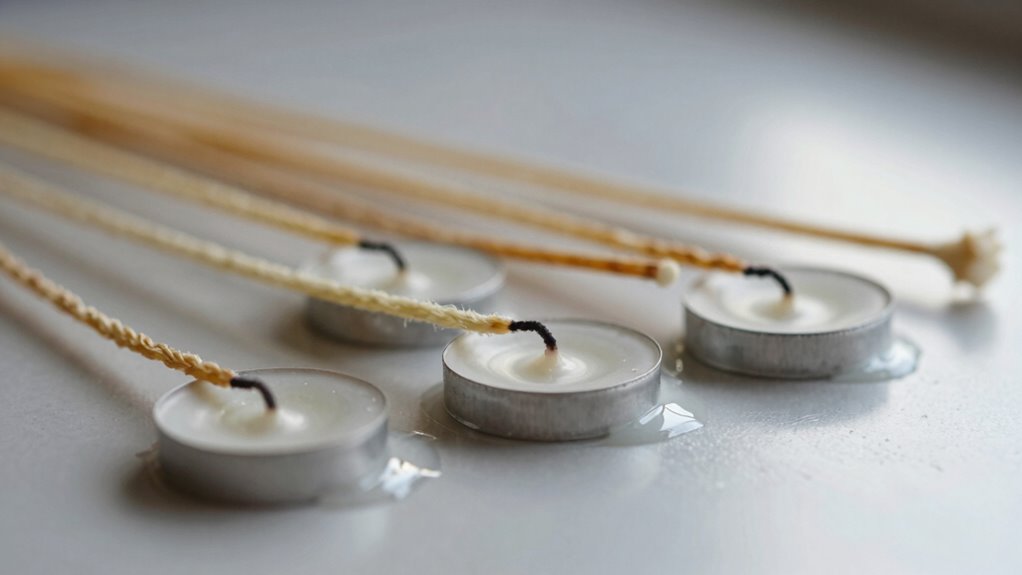
Another key aspect is understanding how custom wick materials impact the burning process. Wicks can be made from cotton, wood, hemp, or other fibers, each with unique properties. For example, cotton wicks are common and work well for many wax types, but if you’re working with soy wax, a specific cotton or wood wick might produce a cleaner burn. Custom wick materials allow you to tailor your candles for specific aesthetics or performance needs, but they also require some testing to find the right fit. Experimenting with different materials, sizes, and coatings can lead to a better understanding of how each interacts with your wax and container. It’s also helpful to consider sustainable sourcing when selecting wick materials, as environmentally conscious choices can make your candle making more eco-friendly. Additionally, understanding biodiversity can influence your decisions on sourcing natural fibers responsibly.
Once you’ve chosen the right wick size and material, always conduct a test burn before making large batches. This step ensures your candle will burn evenly, without excessive soot, smoking, or tunneling. It’s also beneficial to observe how your chosen wick interacts with the container or wax, as small adjustments may be needed for optimal performance. Keep a record of your findings so you can adjust your wick choice for future projects. Remember, candle making is as much about trial and error as it is about following guidelines. Using wick sizing charts as a starting point and selecting appropriate custom wick materials will set you on the path to creating safe, beautiful, and functional candles.
As an affiliate, we earn on qualifying purchases.
Frequently Asked Questions
How Do I Measure the Correct Wick Size for My Candle?
To measure the correct wick size, first consider your candle’s diameter, as this influences wick choice. Choose a wick material that suits your wax type and candle fragrance to guarantee an even burn. Use a wick chart or test different sizes by burning small sample candles, observing how the flame behaves. Remember, a wick that’s too small won’t melt the wax evenly, while a too-large wick can cause excessive flickering or tunneling.
Can I Use Different Wick Sizes in the Same Candle?
Yes, you can use different wick sizes in the same candle, but it’s like mixing colors on a palette—you need harmony for beautiful candle aesthetics. Wick substitution can impact burn quality, so choose sizes that balance well. Smaller wicks might create an uneven melt, while larger ones can cause excessive soot. Experiment carefully, and guarantee your wicks work together for a safe, even burn that enhances your candle’s visual appeal.
How Does Wick Size Affect Candle Burn Time?
Wick size directly impacts your candle’s burn time; a larger wick burns faster, reducing overall burn time, while a smaller wick lasts longer. Different wick types influence how evenly and efficiently your candle burns, affecting scent throw and burn duration. Choosing the right wick size guarantees a steady flame, ideal scent release, and longer-lasting candle. Experimenting with wick sizes helps you find the perfect balance for a safe, enjoyable burn.
What Materials Are Best for Different Wick Sizes?
For different wick sizes, choosing the right wick material is key to controlling flame height and ensuring a clean burn. Cotton wicks work well for small to medium candles, providing a steady flame. Wood wicks create a larger flame, ideal for bigger candles, while hemp wicks suit eco-friendly projects. Always match wick size to your candle’s diameter to prevent excessive flickering or tunneling, ensuring peak performance and safety.
How Do I Troubleshoot a Candle That’s Tunneling?
Tunneling troubles can be tackled by tweaking your wick choice and wick manufacturing methods. First, trim your wick to prevent excessive heat. Use a slightly larger wick for a fuller, faster melt. Make certain your candle’s fragrance isn’t overpowering, which can hinder proper burning. Keep your wick centered, and always burn long enough to create a full melt pool. This prevents tunneling and promotes a perfectly polished, consistent candle burn.
Conclusion
Getting the hang of candle wick sizes might seem tricky at first, but with some practice, you’ll find your rhythm. Remember, choosing the right wick is like finding the right key—without it, everything else falls flat. Don’t be afraid to experiment and learn from each burn. Over time, you’ll see that you’re not just burning candles but also mastering an art. Keep at it, and you’ll be lighting up your space with confidence in no time.
Halloween Picks
halloween
As an affiliate, we earn on qualifying purchases.