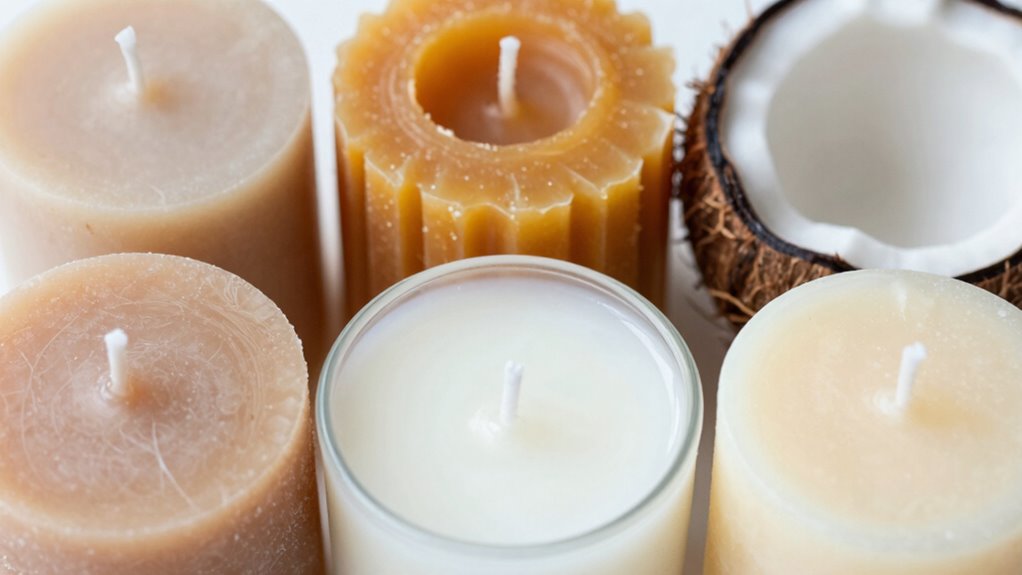

To compare soy, beeswax, paraffin, and coconut wax, consider their sources, environmental impact, and health effects. Soy and beeswax are sustainable and biodegradable, supporting eco-friendly practices, while paraffin comes from non-renewable fossil fuels and produces more toxins. Coconut wax is renewable and burns cleaner, making it a healthier choice. If you want to understand the pros and cons of each option, you’ll find helpful insights as you explore further.

Get decor and gifts delivered free with Prime
- Fast, free delivery on millions of items
- Prime Video, Amazon Music and more included
- Member-only deals all year
Key Takeaways
- Assess environmental sustainability based on source renewability: beeswax and coconut wax are renewable, while paraffin is a fossil fuel byproduct.
- Compare indoor air quality: beeswax and coconut wax emit fewer toxins and soot, unlike paraffin, which releases VOCs.
- Consider health sensitivities: beeswax and coconut wax are hypoallergenic and safer for sensitive individuals.
- Evaluate production impacts: natural waxes support eco-friendly practices, whereas paraffin involves fossil fuel extraction and pollution.
- Factor in cost and availability: paraffin is typically more affordable and widely available than natural options like beeswax and coconut wax.
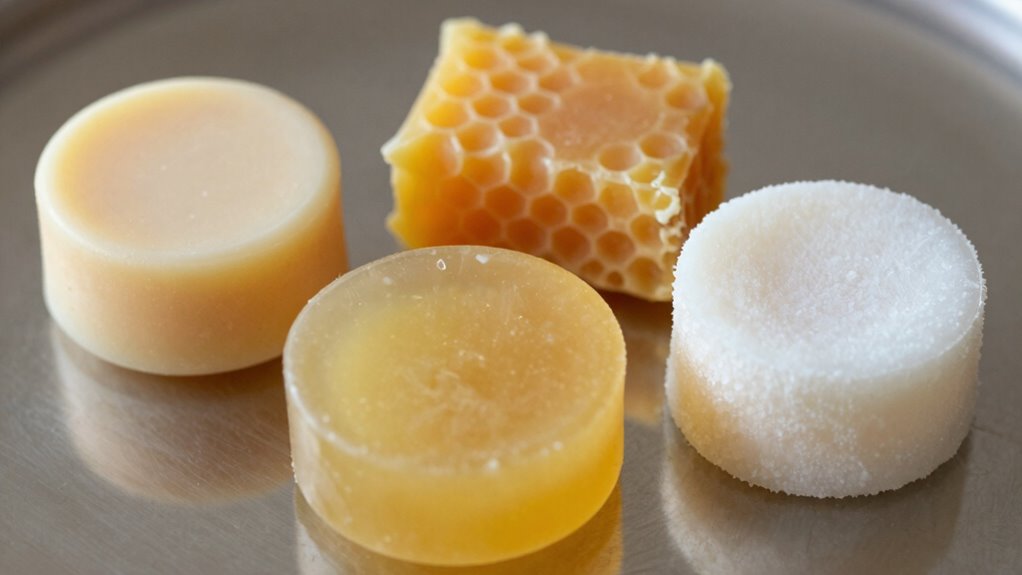
When choosing a candle wax, understanding the differences between soy, beeswax, paraffin, and coconut wax can help you make an informed decision that suits your preferences and needs. Each type of wax has unique characteristics, especially when it comes to sustainability benefits and allergic sensitivities. If you’re someone who values environmentally friendly options, soy and beeswax often stand out because they are natural and renewable resources. Soy wax, derived from soybean oil, is biodegradable and produced from crops that can be sustainably farmed, making it an eco-friendly choice for conscious consumers. Beeswax, on the other hand, is a natural byproduct of honey production, and beekeeping practices can support bee populations, which are crucial for pollination and ecosystem health.
Choosing between soy and beeswax candles supports sustainability and eco-friendly practices.
Paraffin wax, by contrast, is a petroleum derivative, which raises questions about its environmental impact. Its production involves fossil fuels, which are non-renewable and contribute to environmental pollution. While paraffin candles are often more affordable and readily available, their sustainability benefits are limited compared to soy and beeswax options. Additionally, some consumers prefer to avoid paraffin because of its fossil fuel origins and potential health concerns. Paraffin’s volatile organic compounds can contribute to indoor air pollution, making it less desirable for those sensitive to airborne toxins. Coconut wax, made from cold-pressed coconut oil, is another natural alternative. It’s renewable, biodegradable, and often combined with other waxes to enhance performance. It appeals to those seeking a sustainable choice, especially because coconuts grow quickly and require fewer resources to harvest compared to other crops. Additionally, sustainable sourcing of each wax can further influence your decision, as not all natural options are equally environmentally friendly.
When it comes to allergic sensitivities, natural waxes like beeswax and coconut wax tend to be better options for sensitive individuals. Beeswax is hypoallergenic for most people and can even help purify the air by releasing negative ions that trap pollutants. Coconut wax, being plant-based, generally causes fewer allergic reactions than synthetic or heavily processed waxes. Conversely, paraffin wax can sometimes cause allergic reactions or sensitivities, especially in people with respiratory issues, because it releases volatile organic compounds (VOCs) when burned. Soy wax may also trigger sensitivities in some individuals, especially if they have soy allergies, although such reactions are less common. Moreover, understanding the environmental impact of each wax can help you choose a more eco-conscious option that aligns with your values and health considerations. It’s essential to also consider the carbon footprint associated with each type of wax, as this can vary greatly depending on sourcing and production methods. Ultimately, your choice depends on balancing your priorities for sustainability benefits and your own allergic sensitivities. If minimizing environmental impact is paramount, soy and beeswax are excellent options. If you have allergies or sensitivities, beeswax or coconut wax are often safer bets. Keep in mind that natural waxes also tend to burn cleaner, producing less soot, which benefits both your health and the environment. Making an informed choice means considering how each wax’s source, production, and potential effects align with your values and health needs.
As an affiliate, we earn on qualifying purchases.
Frequently Asked Questions
Which Wax Is Most Environmentally Sustainable?
You’ll find beeswax to be the most environmentally sustainable, thanks to its eco-friendly sourcing from natural beekeeping practices. It has a lower carbon footprint compared to paraffin, which is petroleum-based. Soy and coconut waxes are also eco-friendly, but their sustainability depends on responsible farming. Conduct a carbon footprint analysis to determine the overall environmental impact, considering factors like land use and resource conservation. Beeswax generally offers a more eco-conscious choice.
How Do Waxes Differ in Scent Retention?
You’ll notice that beeswax and coconut wax generally offer the best scent retention, providing longer scent longevity and stronger fragrance strength. Soy wax tends to hold scents well, but the scent may fade faster. Paraffin wax often has a more intense initial fragrance, but its scent longevity isn’t as strong. Choosing a wax depends on your preference for lasting fragrance versus initial scent strength.
Are There Health Concerns With Each Wax Type?
They say “better safe than sorry,” and that’s true here. Soy and coconut wax are generally safe but can pose allergen potential for sensitive individuals, while beeswax and paraffin might carry health risks from chemical additives or toxins. Always check labels, as some waxes contain additives that could trigger allergies or health concerns. If you have allergies or asthma, opt for natural, pure options to minimize allergen potential.
Which Wax Burns the Longest?
You’ll find that beeswax burns the longest, offering the greatest flame duration and burning time among these wax types. Its dense composition allows it to melt slowly, resulting in a steady, prolonged burn. Soy and coconut wax usually burn faster, providing moderate burning time, while paraffin tends to have the shortest flame duration. If you want a candle that lasts longer, beeswax is your best choice for extended burning.
Can These Waxes Be Blended Together?
Yes, you can blend these waxes for customized candles. Wax blending allows you to combine soy, beeswax, paraffin, and coconut wax to achieve desired burn qualities, texture, and scent blending. Experimenting with different ratios helps balance scent throw and burn time. Keep in mind that some waxes melt at different temperatures, so adjust your process accordingly. Blending gives you more control over your candle’s performance and aroma, creating a unique product.
Conclusion
Choosing your wax is like selecting a brushstroke for a masterpiece—each offers a unique hue to your creation. Soy’s biodegradability, beeswax’s natural glow, paraffin’s affordability, and coconut wax’s smooth burn all paint a different picture. Consider your craft’s soul and purpose, then pick the one that resonates most. Ultimately, your choice shapes the ambiance, like a conductor guiding an orchestra—creating harmony in every flickering flame.
Halloween Picks
halloween
As an affiliate, we earn on qualifying purchases.