TL;DR

Get decor and gifts delivered free with Prime
- Fast, free delivery on millions of items
- Prime Video, Amazon Music and more included
- Member-only deals all year
A Thanksgiving centerpiece can be flowers, produce, branches, candles, or a simple group of objects. Keep it low or narrow enough for easy conversation, fit its size to the table, and leave room for serving dishes. A runner, a few seasonal items, and one personal detail can make a polished display on a small budget.
A beautiful Thanksgiving centerpiece can become the one thing everyone has to move before the turkey arrives. The best designs earn their place on the table: they bring in the warm colors and textures of fall while leaving faces visible and serving dishes within reach.
You can build that kind of display with flowers, but you don’t need them. Pumpkins, pears, branches, candles, herbs, or a handful of family treasures can all make a table feel welcoming without getting in the way of conversation or serving food. A simple bowl of apples on a linen runner can look every bit as considered as a florist’s arrangement.
This guide will help you choose a centerpiece that fits your table and guest count, create a practical layout, and handle flowers, candles, and edible accents with care. You’ll also get a few specific combinations you can put together with seasonal items and things you may already own.
Keep the centerpiece low or narrow enough that guests can see one another.
Match the display’s footprint to the table, guest count, and family-style serving dishes.
Use pumpkins, fruit, branches, herbs, candles, or meaningful objects instead of relying on flowers.
Keep open flames away from dry foliage and use clean, unscented, stable arrangements near food.
Group inexpensive seasonal items on a runner or tray, then reuse, eat, or compost them after dinner.
Choose a centerpiece that leaves room for the meal
A Thanksgiving centerpiece works best when it gives the table a focal point without claiming the space your guests need for dishes and conversation. Keep the display low enough for people to see one another, or choose a tall, narrow arrangement that doesn’t block sightlines. On a crowded table, a few small accents can work better than one grand display.
Think about what happens once everyone sits down. A centerpiece that looks lovely in an empty dining room may collide with the gravy boat, rolls, water glasses, and a platter of roasted vegetables. For a rectangular table, a long, narrow arrangement down the middle can spread color without crowding individual place settings. Leave clear space for the serving dishes you expect to set out, or plan to move the centerpiece before dinner begins.
For example, on a six-person table with a roast turkey and several side dishes, try three little arrangements in squat jars instead of one broad basket. Each jar can hold a few stems of greenery and rust-colored flowers. Guests can lift one out of the way when the mashed potatoes arrive, and conversation still flows across the table. That flexibility matters because family-style meals change the table as they unfold: a centerpiece that can be shifted in pieces is less likely to interrupt serving than one heavy, sprawling object.
- Check the view: Sit in a chair and look across the table before you commit to a tall design.
- Measure the middle: Reserve a clear area for serving dishes and shared platters.
- Keep pieces movable: A small tray or a row of bud vases makes setup and serving easier.
Products Worth Considering

Levoit Core 300S-P Smart Air Purifier

Samsung 43-Inch M70H Series 4K Mini LED Smart TV (2026)

Philips Hue Play Gradient 65-Inch Smart TV Light Strip
As an affiliate, we earn on qualifying purchases.
Match the display to your table and guest count
Thanksgiving table centerpieces should feel in proportion to the table and the number of people sitting around it. A large dining table can handle a longer line of objects, while a small round table usually needs one compact focal point. When elbow room gets tight, a slim runner and two or three tiny accents can create a seasonal look without squeezing the plates. Proportion matters because every place setting needs room for more than a plate: guests also need space for glasses, cutlery, and the small movements of reaching and eating.
Start by counting chairs, then imagine the path each dish will take from the kitchen to the table. A twelve-person table may suit a low garland or a sequence of small arrangements, because color reaches down the table instead of clustering in one spot. A four-person breakfast table might need no more than a bowl of pears and a short sprig of greenery. Treat the centerpiece like a guest: it needs a seat, but it shouldn’t take someone else’s. A longer display can make a big table feel connected, but it may also create a barrier if it is too wide or dense, so leave gaps where dishes and hands need to pass.
Picture a narrow apartment table set for four. A wide cornucopia could cover the middle and push serving bowls toward the edges. Swap it for a shallow ceramic dish holding three mini pumpkins, a few glossy red apples, and two leaves. The dish keeps the display together, and you can lift it away in seconds when the food arrives. Choosing a contained arrangement also makes the table easier to reset: one lift clears the center instead of requiring guests to move several loose objects.
- Count the seats and note how much room each place setting takes.
- List the dishes you’ll serve family-style in the center.
- Choose the footprint that leaves a clear path for plates and hands.
- Test from a seated position before adding extra height or detail.
Compare easy centerpiece styles before you shop
You can make a Thanksgiving centerpiece from flowers, produce, candles, branches, or a mix of these materials. Each choice offers a different balance of color, fragrance, cost, and cleanup. The right one depends on how much time you have, how full the table will be, and whether you want a display you can later eat, compost, or reuse. Thinking through those tradeoffs before shopping can prevent buying materials that look good in isolation but do not suit the meal or the way you want to tidy up afterward.
A market bouquet brings soft petals and fresh greenery, but it needs water and may require trimming or cleanup during a busy day. A bowl of apples adds shine and doubles as dessert or a snack, though it takes up serving space if the table is small. Dried grasses and pinecones hold their shape after the holiday, but loose dried foliage needs careful placement around candles. A row of small pumpkins gives you rich orange and cream tones with almost no arranging skill; its main limitation is bulk, since even low objects can crowd plates when there are too many. For an especially personal touch, mix one meaningful object—perhaps a small pottery bowl from a relative—with a few seasonal pieces. A familiar object can make inexpensive materials feel intentional, while keeping the display simple enough to adapt to the table.
Imagine you’re hosting dinner after work and only have twenty minutes to set the table. A vase with two branches, three pears, and a folded rust-colored runner can look pulled together with little arranging. If you have more time, tuck in greenery or a few fresh flowers. The comparison below can help you pick a starting point based on the effect you want and the care you can give it.
| Style | Best for | Keep in mind |
|---|---|---|
| Low flowers and greenery | Color, texture, and a fresh scent | Change the water and trim stems |
| Pumpkins and gourds | A simple, reusable fall look | Check size so they don’t crowd plates |
| Fruit and nuts | An edible display with natural color | Keep food clean and away from floral products |
| Branches and dried grasses | Height and texture with fewer fresh stems | Keep dry material away from open flames |
Use fall color and texture without buying a full arrangement
Seasonal colors and natural textures can make a centerpiece feel like Thanksgiving even when you use just a few objects. Cream, rust, burgundy, and olive pair easily with wood, ceramic, linen, and glass. You can also choose jewel tones, soft neutrals, or a spare modern palette; there is no single correct color scheme for the holiday. Limiting the palette to a few related colors helps a mix of gathered and borrowed pieces feel like one display, which is useful when you are building around what you already own.
Build the display from what you have, then add one or two seasonal pieces. A woven runner, a clay bowl, and a cluster of small gourds can create a grounded, earthy look. Add shiny red apples for contrast or tuck in a few fresh herb sprigs for a green accent. The textures do a lot of the work: matte pumpkin skin beside a smooth glass vase, or crisp leaves against soft linen. Repeating one color or material gives the eye a path across the table; varying texture keeps that repetition from feeling flat.
For example, imagine a family that already owns a cream tablecloth and dark green plates. Rather than buying a complete orange-and-brown set of decorations, they can add three pale pumpkins, a few copper-colored leaves, and one olive-green branch arrangement. The palette connects the pieces and feels intentional, while the personal plates stay part of the scene. This approach also keeps the display flexible: if a color feels too strong once the food is on the table, removing one accent can restore balance without replacing everything.
- Choose a base: Use a runner, tray, or cloth napkin to group objects.
- Repeat a color: Carry one shade from flowers or produce into napkins or place cards.
- Vary the texture: Pair smooth fruit with rough branches, woven fabric, or ceramic.
- Add one personal detail: A handmade place card or family heirloom gives the display a story.
Keep candles, flowers, and edible accents safe
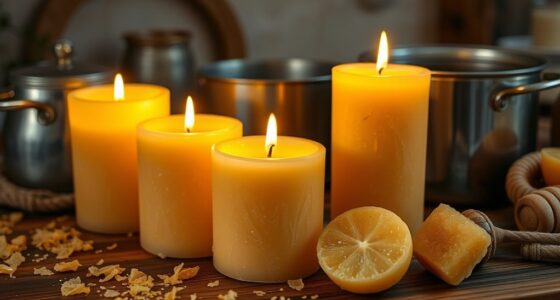
Thanksgiving table centerpieces need to stay stable, food-friendly, and safe around flames. Open candles can ignite dry leaves, dried grasses, or dangling decorations, so use stable holders and keep fire well away from foliage. Battery-operated candles offer a warm glow without an open flame, especially when children, pets, or loose sleeves are near the table. Stability matters too: if a vessel tips when someone reaches for a dish, it can spill water onto food or bring decorations close to a flame.
Strong fragrance can also compete with the smell of the meal. A heavily scented candle or bouquet may fight the aroma of roast turkey, warm bread, and cinnamon-spiced squash. Choose unscented candles and lightly scented greenery, or skip fragrance altogether. If your centerpiece includes fruit, nuts, or other food you plan to serve, keep it clean and separate from floral foam, sprays, or treated decorative materials. This keeps the food choice clear for guests and avoids making edible decorations difficult to distinguish from items meant only to look attractive.
Say you want candles beside a dried-grass arrangement. Put the grass in a stable vessel at one end of the table, then use battery candles in glass holders several inches away. Before guests sit down, check that the display won’t tip if someone bumps the table or reaches for a serving dish. Safety can be quiet and simple; your guests should notice the glow, not worry about the flame.
Keep open flames away from dry foliage, use stable candle holders, and never leave burning candles unattended. When in doubt, battery-operated candles give you the same gentle light with less risk.
Make fresh flowers last through dinner
A fresh centerpiece can stay tidy through the meal when you start with a clean vessel, fresh water, and well-prepared stems. Remove leaves that would sit below the waterline, since submerged foliage can make water dirty faster. Trim stem ends before arranging and keep the finished display away from direct sun, radiators, and hot kitchen air. These steps slow wilting and keep the water clear, which matters when a vase sits close to serving dishes and guests may brush against it.
You don’t need a tall florist’s bouquet to create a soft, generous look. A low cluster of chrysanthemums, small roses, and greenery can fill a short vase while keeping faces visible. You could also divide one bouquet among several jars, which lets you spread color along a long table. If the arrangement must move for dinner service, keep the jars light enough to lift without sloshing water. Dividing the flowers trades a single dramatic focal point for a more even line of color, and it gives you the option to move only the piece that is in the way.
For a practical example, prepare a small vase the morning of Thanksgiving with a few sturdy blooms and trimmed greenery. Set it on the table away from a sunny window, then refresh the water before guests arrive. If petals start to droop, remove them rather than trying to rebuild the whole display. A couple of healthy stems in a clear jar often look better than a crowded bouquet that has lost its shape; leaving a little space also makes small flaws less noticeable.
- Wash the vase and fill it with clean water.
- Trim stem ends and remove leaves below the waterline.
- Keep the arrangement cool and away from direct sunlight.
- Remove wilted blooms as needed and refresh the water.
Set up a low-cost centerpiece you can reuse
You can create a polished Thanksgiving centerpiece on a modest budget by starting with items you own and buying only a few seasonal accents. A runner or serving tray gives simple objects a clear home, while produce, branches, and garden greenery add shape and color. Reusable vessels and washable textiles also make post-dinner cleanup easier. Grouping inexpensive pieces matters because it gives them a clear visual boundary: a few objects on a tray look chosen, while the same objects scattered across the table can look like clutter.
Try this combination: lay down a runner, set a ceramic bowl in the center, and fill it with apples and two small gourds. Tuck a few fallen leaves or rosemary sprigs around the bowl, keeping edible items clean and away from anything treated with sprays or floral products. If you already have a vase, place one branch in it beside the bowl. The result has height, color, and texture without a costly bouquet. Keeping the branch separate from the bowl also lets you remove either element if serving space gets tight.
After dinner, sort the materials by what comes next. Return the bowl and vase to the cupboard, wash the runner, and compost suitable leaves or greenery. Keep sound pumpkins and gourds for another display, and eat fruit that has stayed clean. For instance, the same small white pumpkins can move to an entry table the next day, while the apples become part of a pie. The table feels festive, and the decorations keep earning their space. Planning this second use in advance helps you choose items that are easy to store, eat, or compost instead of buying decorations that become waste after one meal.
- Gather one tray or runner, a bowl, and a vessel you already own.
- Add seasonal produce or gathered greenery for color and texture.
- Check that any food stays clean and separate from decorative treatments.
- Plan where each item will go after dinner: cupboard, compost, or kitchen.
Frequently Asked Questions
How tall should a Thanksgiving centerpiece be?
Keep it low enough that guests can see one another across the table, or make a taller design narrow enough to preserve the view. Try sitting in a dining chair and looking across the arrangement before guests arrive. If it blocks faces, shorten it or divide it into smaller pieces.
What can I use instead of flowers?
Use pumpkins, gourds, apples, pears, branches, greenery, herbs, pinecones, dried grasses, or candles. A shallow bowl of fruit on a runner looks especially good on a smaller table because it adds color without taking up much height. You can also group several small objects on a tray.
How do I decorate a small table for Thanksgiving?
Choose one compact arrangement or a few tiny accents, and keep the center open for serving dishes. For example, set three mini pumpkins on a narrow runner with one short sprig of greenery. A wide basket or tall vase may make it hard to pass food or see across the table.
Are candles safe near leaves and dried flowers?
Open flames can ignite dry foliage, so keep candles well away from leaves, dried grasses, and dangling decorations. Use stable holders and never leave burning candles unattended. Battery-operated candles are a practical choice when your display includes dry materials.
Can I use food as part of the centerpiece?
Yes. Clean fruit, nuts in the shell, and small pumpkins can make attractive edible accents. Keep food you plan to eat separate from floral foam, sprays, or other decorative treatments, and don’t serve anything that has been in contact with them.
Conclusion
Build your Thanksgiving centerpiece around the table you actually have: count the seats, make room for the food, and choose a few seasonal materials you enjoy looking at. A low bowl of pears, a handful of greenery, and a favorite family dish can feel more welcoming than a display that leaves no space for the gravy boat.
Keep it personal, easy to move, and safe around the meal. When the candles glow and the warm bread comes around, the best centerpiece is the one that lets everyone see each other.