TL;DR

Get decor and gifts delivered free — and shop member deals
- Fast, free delivery on millions of items
- Access to Prime Big Deal Days deals on October 6–7
- Prime Video, Amazon Music and more included
A Family Handyman report describes household uses for powdered citric acid, including descaling kettles and coffee makers and treating hard-water deposits. The advice calls for testing surfaces first and avoiding natural stone and finished wood; the source does not provide independent testing or a universal product-safety assessment.
A Family Handyman report details ways to use powdered citric acid to remove mineral buildup and hard-water stains from household items, including kettles, shower glass and faucets. The report draws on advice from cleaning professionals and warns that the acidic cleaner can damage natural stone and finished wood, making surface checks important before use.
Citric acid occurs naturally in citrus fruits and is also manufactured for uses including food preservation and cleaning, according to the report. It is sold in powder or crystalline form. The experts interviewed describe it primarily as a way to address mineral deposits left by hard water and heating water.
For a coffee maker, Seattle Green Cleaning Fairy owner Enrique Gonzalez recommends adding one to two tablespoons to a full tank of water, running one brewing cycle, then running two cycles with plain water. For an electric kettle, the report advises adding the same amount to water, bringing it to a boil and letting it simmer for 15 to 20 minutes. Empty and rinse the kettle, then boil and discard clean water before using it again.
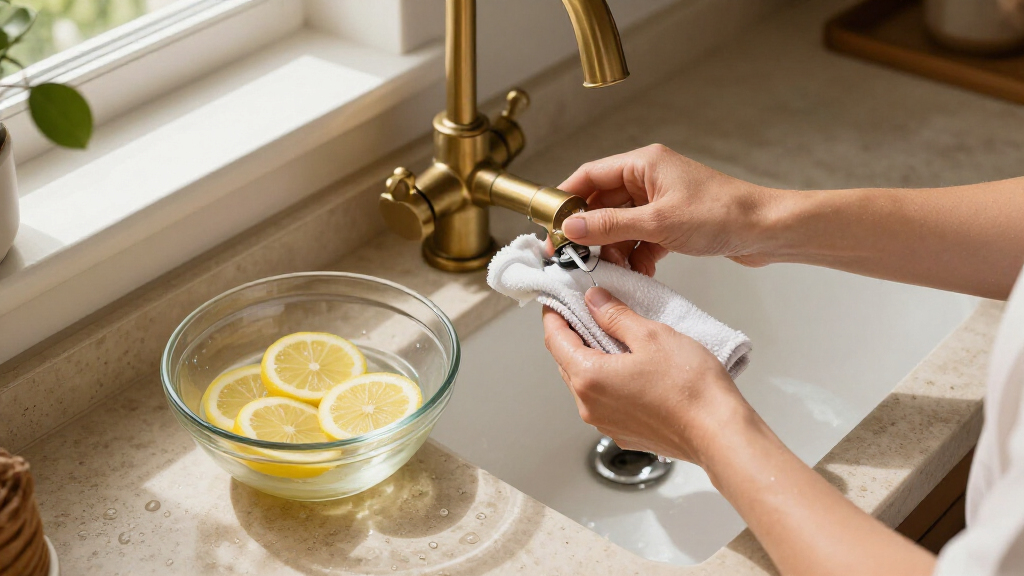
For bathroom and kitchen fixtures, Sparkly Maid Austin owner Sofia Martinez recommends dissolving one to two teaspoons in a cup of warm water and applying it to hard-water marks with a soft, damp cloth. Let it sit for three to five minutes, then wipe and dry. Showerheads can be soaked in a mixture of one tablespoon in two cups of warm water; rinse them and run hot water through afterward. The report also describes using citric acid for shower glass, soap scum, dishwasher deposits, small rust stains, stainless-steel sinks and toilet bowls, with different quantities and contact times for each.
Where Citric Acid Can Help
The advice gives readers a practical option for common cleaning problems linked to hard water, which can leave scale in appliances and spots on fixtures and glass. Removing buildup from appliances is also a maintenance task: the report presents descaling as a way to clean coffee makers and kettles, but does not quantify any effect on their performance or lifespan.
The recommendations are not a blanket endorsement for every surface. Citric acid is acidic, and the report expressly cautions readers to test it in an inconspicuous place and consult manufacturers’ instructions, especially for metal-finish fixtures. That distinction matters because a method that removes deposits from glass or stainless steel may be unsuitable for another material.
citric acid descaling powder for coffee makers
As an affiliate, we earn on qualifying purchases.
As an affiliate, we earn on qualifying purchases.
The Report’s Cleaning Guidance
The source is a Family Handyman article that collects household cleaning suggestions from Martinez, Gonzalez and Alpha Cleaning Company’s Terry Klymkiv. The supplied material does not include a publication date, laboratory results or comparisons with other cleaning products. Its recommendations should be understood as attributed household advice, rather than independently verified product testing.
The report’s methods vary by task. For shower glass, Martinez recommends one tablespoon of citric acid in two cups of warm water, applying it for up to five minutes without allowing it to dry, then wiping with a nonabrasive cloth or sponge. For a dishwasher, Gonzalez suggests cleaning the filter first and running an empty hot cycle with a small bowl containing a couple of tablespoons of citric acid on the upper rack. Klymkiv recommends a water-and-powder paste for rust stains, left for 20 minutes before gentle scrubbing.
For toilets, Klymkiv suggests adding two to three tablespoons of powder to the bowl, waiting at least 30 minutes or overnight, scrubbing and flushing. These approaches differ in concentration, contact time and rinsing steps, so the report does not support treating them as one interchangeable recipe.
“Citric acid can descale an electric kettle, remove spots from glass and even shine up stainless-steel sinks.”
— Sofia Martinez, cleaning expert and owner of Sparkly Maid Austin, as quoted by Family Handyman
Surface Safety and Evidence Limits
The source warns against using citric acid on marble and granite, which may be etched or discolored, and on finished wood, where it may strip wax or polish. It also begins a warning about electronic screens, noting their oil-repelling coating, but the supplied source text cuts off before completing that guidance. Readers should not infer a full set of screen-cleaning instructions from the excerpt.
The report does not specify a product brand, standardized concentration, protective equipment, or how its recommendations apply to every appliance or fixture finish. It advises testing an inconspicuous area and following manufacturer instructions. Whether a particular item can tolerate the solution remains dependent on its material and the manufacturer’s care guidance.
Check Materials Before Cleaning
Before trying any of the methods, identify the surface and check its care instructions. Test the solution in a hidden spot, use the quantities and contact times given for that specific task, and rinse or dry as directed. Avoid natural stone and finished wood, and do not use the incomplete screen guidance as a recipe. The supplied report names no further study, product update or follow-up date.
Key Questions
What household problems can citric acid address?
The report describes using it for mineral scale and hard-water deposits in kettles and coffee makers, and for spots on faucets, shower glass and stainless-steel sinks. It also includes methods for dishwasher buildup, some rust stains and toilet-bowl deposits.
Can I use citric acid on marble or granite?
No. The report says citric acid can etch or discolor natural stone, including marble and granite, and advises against using it on those surfaces.
How do I descale a coffee maker with citric acid?
Gonzalez’s method is to add one to two tablespoons to a full water tank, run one brewing cycle, and then run two cycles with plain water. Check the appliance manufacturer’s care instructions before proceeding.
Is citric acid safe for every household surface?
No. The report describes it as an acidic cleaner and warns about natural stone and finished wood. It recommends testing an inconspicuous area and checking manufacturer instructions, particularly for fixtures with metal finishes.
Source: rss
Halloween Picks
halloween
As an affiliate, we earn on qualifying purchases.