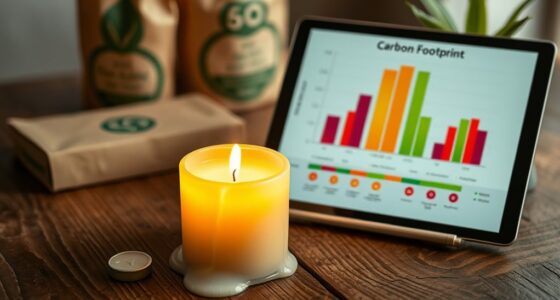

Smaller production runs help you support sustainability by allowing you to choose eco-friendly materials, reduce waste, and use resources more efficiently. When you produce only what’s needed, you avoid excess inventory and minimize scrap. It also makes you more adaptable to greener manufacturing techniques and local sourcing, cutting transportation emissions. This approach builds transparency with your customers and strengthens your supply chain resilience. Keep exploring to discover more ways this approach benefits your sustainability efforts.
Key Takeaways
- Smaller production runs enable selection of sustainable, biodegradable, or recycled materials, reducing environmental impact.
- They minimize waste by producing only necessary quantities, preventing overproduction and excess inventory.
- Limited runs allow experimentation with greener manufacturing techniques, promoting continuous environmental improvements.
- Smaller batches foster transparency, building consumer trust through open communication about eco-friendly practices.
- Localized small-scale production reduces transportation emissions and enhances supply chain resilience.
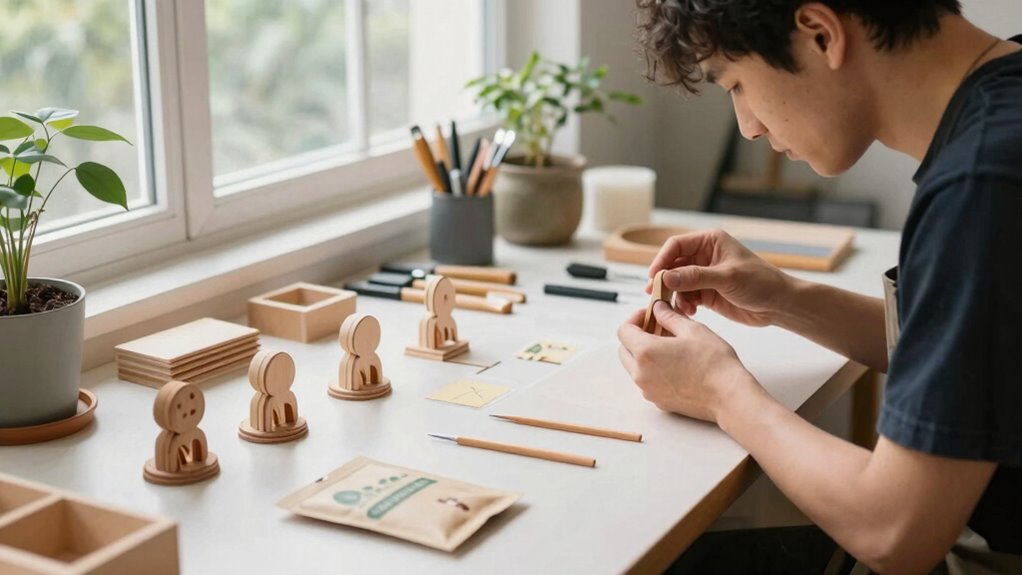
As consumers increasingly prioritize eco-friendly choices, small-scale production runs are gaining traction as a sustainable alternative to mass manufacturing. You might find that producing in smaller quantities allows you to better control the environmental impact of your business. One major advantage is the ability to choose eco-friendly materials that align with sustainability goals. Instead of relying on bulk supplies that might contain environmentally harmful components, you can select sustainable fabrics, biodegradable plastics, or recycled materials. This conscious material selection helps reduce your overall ecological footprint and supports responsible resource use.
Small-scale production enables eco-friendly material choices, reducing your environmental footprint and promoting responsible resource use.
Another essential benefit of smaller production runs is waste reduction. When you produce only what’s needed, you minimize leftover inventory and excess materials that often end up in landfills. Large-scale manufacturing tends to generate significant waste due to overproduction, unsold stock, and discarded scraps. In contrast, smaller runs encourage careful planning and efficient use of resources, leading to less discarded material and lower disposal costs. You can also implement smarter inventory management, ensuring your products are sold before they become obsolete, which further cuts down waste.
By focusing on limited quantities, you’re also more likely to adopt innovative, eco-friendly manufacturing techniques. You might explore methods that use less water, energy, or toxic chemicals, all of which contribute to a greener production process. Smaller runs mean you can experiment with new sustainable practices without the risk of massive waste if something doesn’t work as planned. This flexibility enables you to refine your process continuously, aligning every step with your goal of environmental responsibility. Additionally, sustainable manufacturing practices are becoming more accessible and cost-effective, making it easier for small producers to adopt them. Incorporating eco-conscious production methods can also help you meet increasing consumer demands for transparency and authenticity in sustainability claims. Embracing small-scale manufacturing can lead to a more resilient and adaptable supply chain, better suited to evolving environmental standards and market expectations.
Furthermore, small production batches often foster a closer connection between you and your customers. Transparency about your eco-conscious choices—such as using eco friendly materials and reducing waste—builds trust and loyalty. Consumers increasingly prefer brands that demonstrate genuine sustainability efforts. By producing on a smaller scale, you can communicate your commitment more effectively, providing detailed information about your materials and manufacturing practices. This transparency can differentiate your brand in a crowded market and encourage more mindful consumption. Additionally, focusing on localized production can reduce transportation emissions and further support your sustainability goals.

MéipaLien Empty Gelatin Capsules Size 000-200 Count Bovine Bone Gel Capsules Empty | Quick Dissolve | All Size | for Powder & Liquid DIY Filling
- High-Quality Bovine Gelatin: Gelatin gel strength over 220
- Quick Dissolve Formula: Disintegrates within 10 minutes in stomach
- Stomach-Friendly & Rapid Absorption: Reduces discomfort, ensures fast ingredient release
As an affiliate, we earn on qualifying purchases.
As an affiliate, we earn on qualifying purchases.
Frequently Asked Questions
How Do Smaller Runs Affect Overall Product Quality?
Smaller production runs can improve overall product quality by allowing you to focus more on quality assurance and maintain better control over each batch. With fewer units, you can identify and address issues early, ensuring product consistency. This approach reduces the risk of defects and enhances customer satisfaction. As a result, you deliver higher quality products that meet your standards consistently, fostering trust and supporting your sustainability goals.
What Are the Initial Costs of Switching to Smaller Production Runs?
You might find the initial costs of switching to smaller production runs hit your wallet hard, as you need to do a thorough cost analysis. Equipment adjustments can be costly too, since machines may require modifications to handle different batch sizes. While it’s an investment upfront, it often pays off in the long run by reducing waste and aligning with your sustainability goals. Don’t forget, it’s a step worth taking.
Can Small-Scale Production Meet High-Demand Market Needs?
Yes, small-scale production can meet high-demand market needs, especially through mass customization and rapid prototyping. You can respond quickly to customer preferences, producing tailored products efficiently. While it might seem challenging, leveraging these techniques allows you to scale effectively, reducing waste and inventory costs. This flexibility guarantees you stay competitive, meet market demands, and support sustainability goals without sacrificing speed or quality.
How Do Smaller Runs Impact Supply Chain Complexity?
Think of your supply chain as a delicate dance—smaller runs simplify this choreography. You gain better control over inventory management, reducing excess stock and waste. It also makes supplier coordination more agile, as you can adjust orders more frequently to meet demand. This streamlined approach minimizes disruptions and complexity, allowing you to respond swiftly to changes, ultimately creating a more resilient and sustainable supply network.
Are There Specific Industries That Benefit Most From Smaller Production Batches?
You’ll find that niche markets and industries focused on batch customization benefit most from smaller production batches. These industries need flexibility to tailor products to specific customer preferences without overproducing. Smaller runs allow you to quickly adapt to changing demands, reduce waste, and offer unique, handcrafted options. This approach supports sustainability goals by minimizing excess inventory, lowering resource consumption, and enabling more responsible manufacturing practices tailored to specialized customer needs.
Conclusion
By embracing smaller production runs, you support sustainable practices that promote precision, reduce waste, and reinforce responsibility. This deliberate decision drives down excess, diminishes disposal, and demonstrates dedication to a greener globe. When you choose these conscious, controlled cycles, you create a clear, compelling commitment to conservation, cultivating a culture of caring. Small steps, like modest manufacturing, make a mighty impact—manifesting your mission for a more mindful, manageable, and meaningful future.