
TL;DR

Get decor and gifts delivered free with Prime
- Fast, free delivery on millions of items
- Prime Video, Amazon Music and more included
- Member-only deals all year
Scented decorative candles add atmosphere and visual appeal, but selecting the right one depends on wax type, fragrance strength, and design. Proper care ensures they burn beautifully and last longer.
Imagine walking into a room where the air is filled with a rich, inviting aroma, and your eyes are drawn to a beautifully crafted vessel glowing softly. That’s the magic of scented decorative candles. They do more than just smell good—they become part of your décor, a focal point that sets the mood even when unlit.
Whether you want to create a cozy corner, elevate your dinner table, or find a thoughtful gift, understanding what makes a candle truly special can transform your choices. From wax and fragrance to design and safety, this guide will show you how to pick the perfect candle for every space and occasion.
Choose wax based on burn quality, scent performance, and personal values—soy often lasts longer, beeswax adds natural benefits.
Understand scent throw: cold throw gives an unlit fragrance, hot throw is what fills the room when lit. Match strength to room size.
Design matters: pick vessels that complement your décor and are heat-safe. Dried botanicals can add charm but need safety precautions.
Proper care—wicks trimmed, pools formed, no drafts—extends candle life and maintains scent quality.
Stay current with trends like refillable vessels and natural wax blends to combine style with sustainability.
What wax type makes a candle burn better and last longer?
Choosing the right wax is like picking the right fabric for a suit—each material has its quirks, benefits, and tradeoffs. For example, soy wax is known for its clean burn and ability to hold scent well, which often results in a longer-lasting candle—sometimes up to 50% longer than paraffin. Beeswax, on the other hand, is naturally slow-burning, has a subtle honey scent, and releases negative ions that can help purify indoor air, adding a natural benefit. However, beeswax tends to be more expensive and can have a more limited scent throw compared to soy or paraffin.
Understanding these differences is crucial because the choice of wax influences not just how long your candle lasts but also how evenly it burns, how strong the scent disperses, and how it interacts with your environment. For instance, soy wax’s ability to burn evenly with less soot makes it ideal for indoor spaces, but it might require specific wick sizes to prevent tunneling. Beeswax’s natural properties make it appealing for those seeking a more organic, aesthetically warm glow, but it may not suit every budget or scent preference. Recognizing these tradeoffs helps you make an informed decision aligned with your priorities—whether that’s longevity, scent performance, eco-friendliness, or budget.
For example, a boutique brand might offer a soy candle that burns evenly for 40 hours, providing consistent scent and minimal soot, whereas a paraffin candle might burn faster but be more vibrant in color and scent. Always check the estimated burn time and reviews, as formulation and manufacturing quality can significantly impact performance and safety over the candle’s lifespan.
As an affiliate, we earn on qualifying purchases.
How to pick a candle that fills your room with a balanced scent
Understanding scent strength is essential because it directly affects your experience and comfort. Cold throw refers to the fragrance you perceive when the candle is unlit, which gives an initial sense of the scent’s presence but doesn’t always indicate how it will perform when burning. Hot throw, on the other hand, is the scent dispersed while the candle is lit, which determines whether the fragrance can fill the intended space effectively. Both are influenced by factors like fragrance concentration, wax type, wick size, and container shape. A candle with a strong cold throw but weak hot throw might seem promising when unlit but fail to scent a room adequately when lit, leading to disappointment. Conversely, a candle with a powerful hot throw but faint cold scent might be less versatile, especially if you want a decorative piece that also provides scent when unlit.
Choosing the right fragrance strength involves considering your room size and personal preference. Larger rooms require candles with a robust hot throw to ensure the scent travels and fills the space without overwhelming it. Smaller spaces benefit from more subtle fragrances to prevent sensory fatigue or discomfort. The balance between cold and hot throw is vital because it ensures your candle maintains a consistent and harmonious presence—whether lit or unlit. Testing different scents, considering their interaction with your environment, and understanding your personal scent preferences help you select a candle that enhances your space without becoming overpowering or underwhelming.
Keep in mind that scent throw isn’t just about strength; it’s also about how the fragrance profile interacts with your environment. Some aromas, like lavender or citrus, are invigorating and fresh, ideal for energizing spaces, while others like vanilla or chamomile promote relaxation. Matching the fragrance profile and its strength to your room size and mood creates a balanced, inviting atmosphere that lasts.
Design and materials that turn a candle into a décor statement
Beyond scent, the look of a candle plays a pivotal role in defining your space’s aesthetic. The vessel’s design, color, and material can either complement or contrast your décor, turning a simple candle into a statement piece. For example, a sleek matte black container with minimalist labeling can add modern sophistication, while a colorful, textured glass jar can introduce vibrancy and personality.
Decorative touches like dried flowers, metallic accents, or crystals can elevate the visual appeal, but safety considerations are paramount. Dried botanicals should be kept away from the flame to prevent accidental ignition, and the container must be heat-resistant to withstand prolonged heat exposure. The choice of material—ceramic, heat-resistant glass, or metal—affects both the safety and durability of the candle. For instance, ceramic vessels can add a handcrafted, artisanal feel and are highly heat-resistant, reducing the risk of cracking. The shape and size of the vessel influence how the wax melts and how the candle burns, with wider containers generally promoting even melting and longer burn times, while tall, slender vessels serve as elegant accents. Selecting a design that aligns with your décor style while ensuring safety and functionality results in a cohesive and appealing aesthetic that enhances your space.
Simple steps to keep your candles burning beautifully and safely
- Trim the wick to about ¼ inch before each burn to prevent soot buildup and mushrooming, which can cause uneven burning, excessive soot, and reduce the candle’s lifespan. A properly trimmed wick ensures a cleaner burn and better scent dispersal.
- Place the candle on a stable, heat-resistant surface away from drafts, windows, or air vents. Drafts can cause uneven burning, flickering, and soot, which not only diminishes the candle’s appearance but also poses safety risks such as flare-ups or uneven heat distribution.
- Burn the candle long enough to create a full melt pool—generally 2-3 hours—then extinguish it. This prevents tunneling, where wax only melts in the center, wasting wax and shortening the candle’s effective burn time. A full melt pool also ensures optimal scent release and even wax consumption.
- Keep the wax free of debris, including wick trimmings and any dust or lint, which can interfere with burning quality. Avoid burning the candle down to less than ½ inch of wax remaining, as this can cause overheating, cracking, or potential accidents when the vessel becomes too hot.
- Never leave a burning candle unattended, especially around children or pets. An unattended flame can lead to accidental fires or tipping over, risking injury and property damage. Always extinguish the flame before leaving the room or going to sleep.
For example, I once left a candle burning while I ran a quick errand. When I returned, the wick had soot-coated the glass, and the wax was unevenly melted, which diminished the candle’s appearance and effectiveness. Proper care—like trimming the wick, keeping the candle free of debris, and not burning it down to the last wax—would have prevented that mess, ensuring a cleaner, safer, and more efficient burn, extending both the candle’s life and its scent quality.
Trends shaping the market for decorative candles in 2024
Today’s trends show a move toward refillable vessels and plant-based wax blends. Minimalist, sculptural shapes and eco-friendly packaging are everywhere, reflecting a shift toward sustainability and design-forward thinking. Consumers now seek candles that serve both as décor and as eco-conscious choices, blending aesthetics with environmental responsibility.
Brands are increasingly transparent about their ingredient lists, responding to a growing demand for natural, clean-burning options. Seasonal collections—think pumpkin spice in fall or peppermint in winter—remain popular, but there’s a rising interest in custom scents and artistic shapes that make candles statement pieces rather than just functional items. These trends indicate a market that values both style and substance, emphasizing quality ingredients and innovative design.
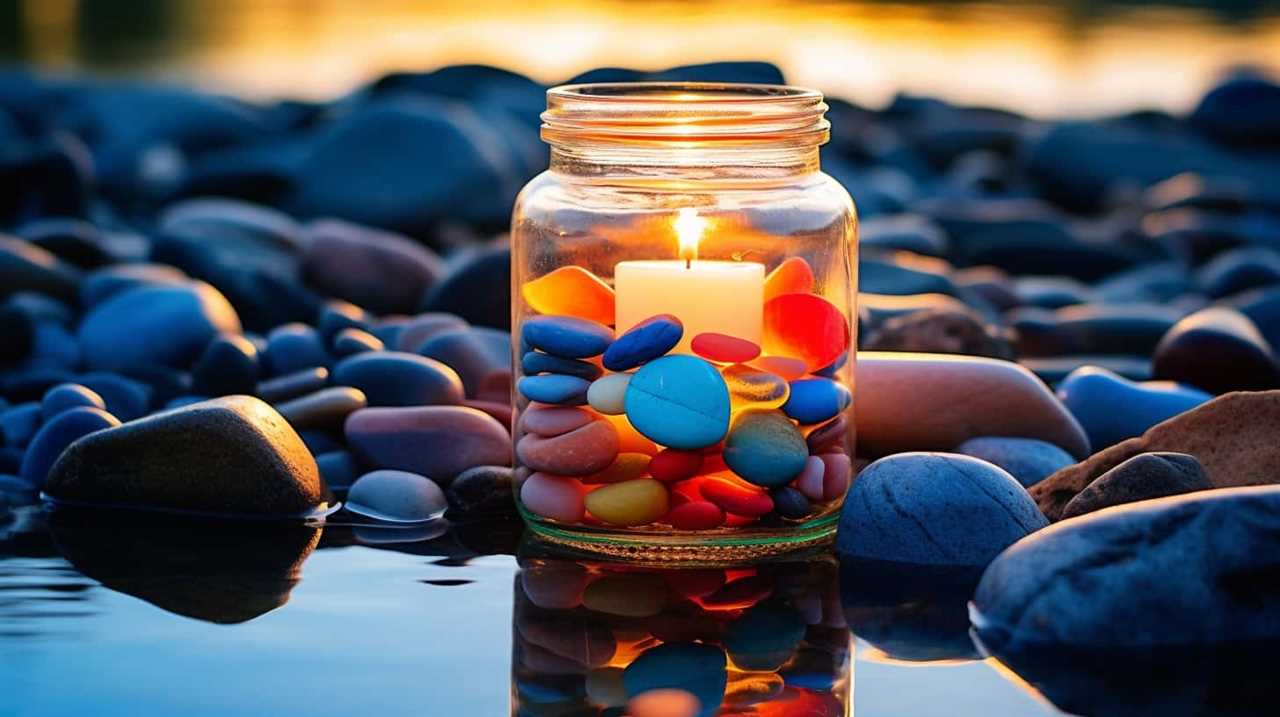
For example, a recent launch featured a hand-blown glass vessel in muted tones, with a textured surface resembling river stones—part sculpture, part candle—demonstrating how form and function are merging to create unique décor pieces that also deliver a sensory experience.
Your burning questions about scented decorative candles answered
Q1: Which wax is best for scented candles? There’s no one-size-fits-all answer. Each wax type offers distinct advantages and tradeoffs. Soy wax is favored for its longer burn time and good scent throw, making it ideal for those seeking longevity and consistent fragrance. Beeswax adds a natural, organic appeal, with subtle honey notes and a slow burn that can enhance a relaxing atmosphere. Paraffin wax is often vibrant and inexpensive, providing intense color and scent options but with less eco-friendly credentials. Your choice depends on your priorities—whether that’s eco-consciousness, scent strength, burn time, or cost. Understanding these differences helps you select a candle that aligns with your values and expectations.
Q2: How do I make a candle smell stronger? To maximize fragrance, place the candle in a suitable-sized room, keep windows and vents closed while burning, and follow the manufacturer’s burn instructions. Avoid drafts, which can dissipate scent and cause uneven burning. Do not add extra fragrance oils unless specifically recommended, as overloading can lead to safety hazards and uneven burns. Properly burning the candle for the recommended duration allows the wax to melt evenly, releasing the fragrance effectively. Patience and correct placement are key—rushing the process or placing the candle in inappropriate environments can diminish scent performance and safety.
Q3: How long should I burn a candle? The general rule is to burn until a full melt pool forms, usually 2-3 hours, to prevent tunneling and ensure even wax consumption. Burning longer than the recommended time can cause overheating, cracking, or damage to the vessel. Regularly trimming the wick also promotes a clean, consistent flame, which enhances scent dispersion and reduces soot. Proper burning habits extend your candle’s lifespan and maintain its aesthetic and aromatic qualities, making your investment more worthwhile.
By following these tips and paying attention to your candle’s unique characteristics, you can enjoy a safer, more satisfying experience that maximizes scent, longevity, and visual appeal.
Conclusion
Choosing a scented decorative candle isn’t just about fragrance—it’s a chance to weave scent, style, and safety into your daily life. A well-chosen candle can turn a simple space into a sanctuary.
Remember, it’s the details—wick length, material quality, and design—that make the difference. Light it with confidence, and let your candle tell a story every time you burn it.
Fall Picks
fall essentials
As an affiliate, we earn on qualifying purchases.