
TL;DR

Get decor and gifts delivered free with Prime
- Fast, free delivery on millions of items
- Prime Video, Amazon Music and more included
- Member-only deals all year
Interior designers interviewed by House Beautiful describe new traditionalism as a current adaptation of classic design, not a replacement for it. The style retains traditional architecture, craftsmanship and silhouettes while adding modern furnishings, vivid colors and mixed patterns; its exact popularity and market reach are not quantified in the report.
Interior designers interviewed by House Beautiful describe “new traditionalism” as a way to pair classic architectural details and furniture shapes with bolder colors, mixed patterns and contemporary touches. The report presents the style as part of a broader move away from gray, highly minimal interiors, though it provides no data establishing how widely the approach is being adopted.
The designers characterize the style as an evolution of traditional interiors rather than a rejection of them. Proportion, craftsmanship, history and classic silhouettes remain central, while high-gloss paint, layered textures, saturated color and less formal decor make rooms feel more current. The goal, as described in the report, is not to reproduce a period room but to let older elements work alongside modern ones.
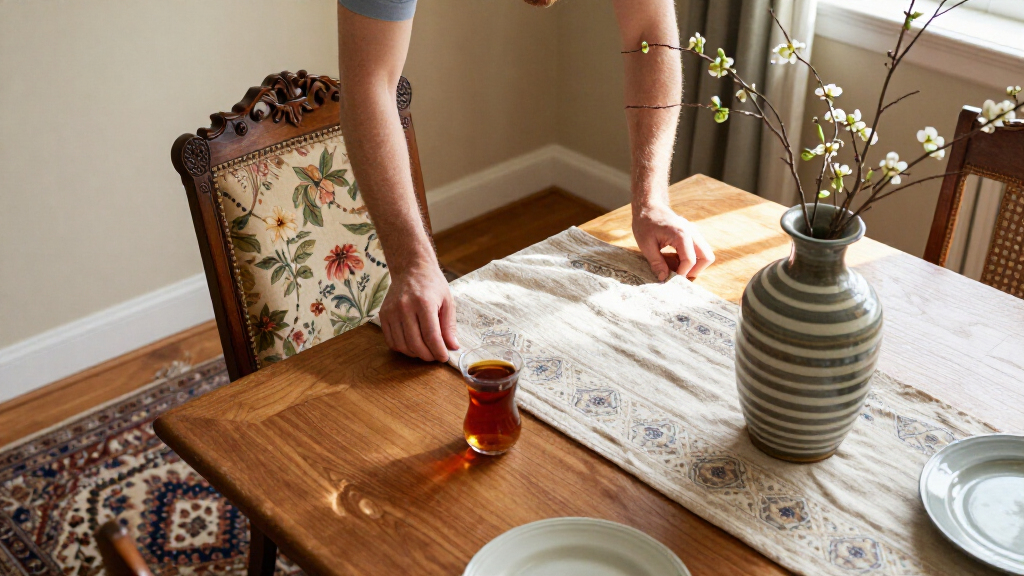
Examples include pairing a traditional floral sofa with geometric upholstery, combining antique furniture with contemporary lighting, or painting historic moldings in a jewel tone. Stripes, ikat, animal prints, large florals and scenic patterns can sit beside established furniture shapes. Designers also stress that the mix needs editing: too many competing patterns or colors can undermine the balance the style seeks.
The report contrasts this approach with a more rigid reading of traditional design, associated by one designer with symmetry, matching furniture and formal rooms. New traditionalism keeps recognizable classic forms but can simplify details—for example, using a tailored skirt on a roll-arm sofa—and make spaces more flexible for everyday use. Those descriptions are designers’ characterizations, not a formal industry standard.
Classic Rooms Get a Modern Mix
The trend matters to homeowners because it offers a route between two familiar choices: a strictly formal traditional room and a minimally decorated contemporary one. The designers say the approach retains historical character and craftsmanship while allowing rooms to feel more personal and usable. It may also appeal to people who want to incorporate inherited or vintage pieces without making a home look like a period reproduction.
For the design industry, the language reflects a shift in taste described by the source: after years of open layouts, plain walls and disposable furnishings, some clients are seeking more structure and individuality. That is a reported observation from designers, not a quantified finding about consumer behavior. The practical takeaway is that the label does not prescribe a single look; it describes a way of combining eras, with balance and restraint doing much of the work.
traditional style sofa with modern upholstery
As an affiliate, we earn on qualifying purchases.
As an affiliate, we earn on qualifying purchases.
From Formal Rules to Flexible Rooms
House Beautiful places new traditionalism alongside broader interest in nostalgia, antiquing and “grandma hobbies,” and says warmer, more expressive interiors are displacing the appeal of millennial gray and ultraminimalism. The article does not provide dates, survey results or sales figures to measure those changes, so they should be read as cultural framing rather than statistical evidence.
The designers’ distinction is chiefly about how traditional elements are used. Traditional architecture and craftsmanship remain the foundation, but new traditional rooms can mix prints and furnishings from different periods and use modern lighting or updated finishes. The style therefore depends less on strict matching and more on creating a considered conversation between old and new.
““Design must continue to leap forward, and this is what happens when we respect the past but are willing to step outside our comfort zones.””
— Corey Damen Jenkins, interior designer, speaking to House Beautiful
Popularity and Boundaries Remain Unmeasured
The source does not establish how many designers or homeowners use the term, whether adoption is increasing, or how it compares with other current interior styles. It also offers no formal definition shared by the design industry; the label is explained through the views of the designers interviewed. Claims that the style is “taking over” are not supported by market data in the supplied report.
It remains a matter of interpretation where traditional design ends and new traditionalism begins. The report gives visual principles and examples, but no fixed checklist, cost guidance or evidence about how well the approach works for different home sizes and budgets.
How Designers Apply the Style
The report points readers toward choices that can be applied room by room: retain or highlight architectural details, choose classic furniture shapes, then introduce modern lighting, unexpected color or contrasting patterns. Designers quoted in the article recommend editing the layers until the room feels balanced, rather than treating every traditional element as a rule.
No further study, industry announcement or next milestone is identified in the supplied material. Whether the style gains measurable reach will depend on future design coverage and market evidence; for now, the report documents how several designers define and use it.
Key Questions
What does new traditionalism mean in interior design?
It combines traditional architecture, craftsmanship and furniture shapes with modern colors, patterns, finishes or furnishings. Designers quoted by House Beautiful describe it as an update to traditional design, not a replacement for it.
How is it different from traditional design?
The report describes traditional interiors as more likely to rely on symmetry, matching furniture and formal arrangements. New traditionalism keeps classic forms but allows more flexibility, mixed patterns and contemporary details.
Which colors and patterns are associated with the style?
Designers cite saturated and jewel-tone colors, bold paint on trim, and patterns such as stripes, ikat, animal prints, florals and scenic designs. The approach is to combine them thoughtfully with classic silhouettes and older details.
Is new traditionalism taking over interior design?
The House Beautiful report describes it as part of a shift toward warmer, more expressive rooms, based on designers’ observations. It provides no survey or market data showing that the style is taking over or measuring its popularity.
Source: rss
Halloween Picks
halloween
As an affiliate, we earn on qualifying purchases.