
TL;DR

Get decor and gifts delivered free with Prime
- Fast, free delivery on millions of items
- Prime Video, Amazon Music and more included
- Member-only deals all year
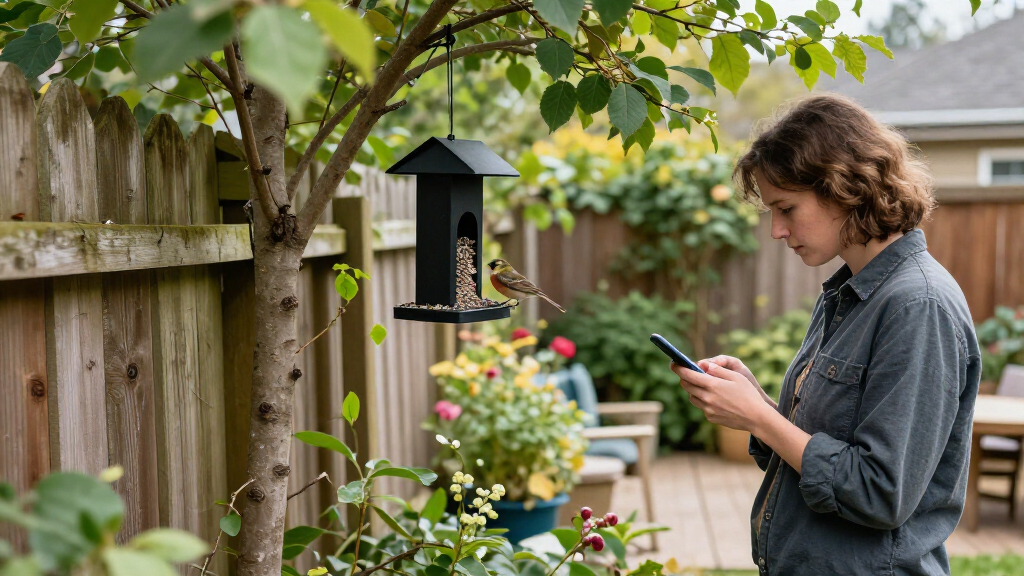
The Verge’s Thomas Ricker reports that a Kiwibit Bird Feeder 2 Pro initially brought small birds to his garden but later attracted pigeons and mice. He says he enjoyed the feeder’s camera and bird-identification features, but took it down after the larger visitors repeatedly monopolized the seed.
The Verge reporter Thomas Ricker says he took down a Kiwibit Bird Feeder 2 Pro after it began attracting pigeons and mice, despite first drawing small birds to his garden. His account highlights a practical downside for shoppers considering AI-equipped feeders: bird-identification alerts and camera features do not prevent unwanted visitors from finding the food.
Ricker writes that he mounted the feeder, which he identifies as a $269 device, and began receiving phone alerts identifying visitors as great tits and Eurasian blue tits within a few weeks. The feeder recorded birds in 4K HDR video, and he used the Kiwibit app to read about the birds’ feeding habits, nesting and migration.
The experience changed when a common wood pigeon arrived and obscured the camera’s view. Ricker says he activated the feeder’s Nuisance Animal Alarm, but the audible siren did not drive the pigeon away. He reports that it continued eating for about 15 minutes, until he went outside to shoo it off.
According to Ricker, pigeons later perched at the feeder for extended periods and ate the seed, while mice gathered below to feed on what fell. He eventually removed the feeder and put it in a closet. The account is a single user’s experience, not a controlled test or a finding that every Kiwibit feeder will attract pests.
When Smart Feeders Attract Pests
The report puts a concrete limit on what a smart feeder’s technology can do. A camera can capture visitors and software can suggest their identities, but those features do not control which animals reach the seed or keep larger birds from dominating the feeding area. For buyers, the distinction matters: identification and video may improve observation without addressing the basic challenge of managing food outdoors.
Ricker’s experience also points to a cost consideration. At the reported $269 price, the feeder is a relatively substantial purchase for someone who is still learning what visits their garden. He advises prospective buyers to start with a simpler, less expensive feeder rather than commit to an AI model immediately, noting that he could not return a used feeder simply because it attracted pests.
Products Worth Considering

Ring Floodlight Cam 4K Pro (2nd Gen), Wired Outdoor Security Camera, Black

Ring Floodlight Cam Wired Plus, 1080p HD Outdoor Security Camera with Motion-Activated Floodlights, Black

Philips Hue Secure Starter Kit with Contact Sensors, Motion Sensor, Bridge, and Color Smart Bulbs
As an affiliate, we earn on qualifying purchases.
From Blue Tits to Pigeons
The report follows a short progression: small birds arrived within weeks of installation, the feeder’s app identified them, and Ricker enjoyed watching their recorded visits. The change came with the arrival of a pigeon, which he says blocked the camera and continued eating despite the alarm. Pigeons and mice then became recurring visitors, leading him to take the device down.
Ricker does not blame Kiwibit for the outcome. He describes the Bird Feeder 2 Pro as enjoyable to use before the pigeon problem took over. His conclusion is directed at the buying decision rather than a claim that the product failed technically: a basic feeder may be a lower-cost way to learn which animals are drawn to a particular garden.
“Looks like Great Tit!”
— Kiwibit app alert, as quoted by Thomas Ricker
How Often Pests Will Visit
The report does not establish how common this outcome is for Kiwibit feeders or smart bird feeders generally. It describes one garden and does not compare the device with other feeders, test different seed types or placement, or establish whether design changes could discourage pigeons and mice.
It is also unclear whether the same pigeon returned each time or whether multiple birds visited; Ricker says he could not tell. The account does not include a response from Kiwibit, product testing by the manufacturer, or data on how well the alarm works under other conditions.
A Simpler Feeder First
Ricker’s report does not announce a product change or a formal investigation. His stated next step was to remove the feeder, and he recommends that people curious about backyard bird-feeding begin with a simple, inexpensive model before buying an AI-equipped device.
For readers weighing a smart feeder, the practical next step is to consider the animals already present in their garden and the possibility that spilled seed may draw visitors below the feeder. The source provides no update on whether Ricker plans to reinstall the device or try another model.
Key Questions
What happened to the Kiwibit feeder?
Thomas Ricker says he took it down after pigeons repeatedly ate from it and mice gathered below to feed on spilled seed.
Did the feeder initially attract small birds?
Yes. Ricker reports that it drew small birds, including birds the app identified as great tits and Eurasian blue tits, within a few weeks of installation.
Did the nuisance alarm stop the pigeon?
Not in Ricker’s account. He says the pigeon reacted to the alarm but continued eating until he went outside and shooed it away.
Does the report show that all smart feeders attract pests?
No. It describes one person’s experience with one feeder and does not establish how common the problem is across other devices or gardens.
What does Ricker recommend to people considering a smart feeder?
He recommends starting with a simple, less expensive feeder without AI, rather than making a large initial purchase before learning which animals visit the garden.
Source: rss