
TL;DR
Many people unknowingly develop odors in their washing machines due to habits that trap moisture and residue. A recent surge in online searches highlights this issue, with the solution being surprisingly straightforward. This story explores the confirmed cause, the simple fix, and why it matters for household hygiene.
A common laundry mistake was identified as the cause of persistent, unpleasant odors in washing machines, with many users unaware that their routine habits were trapping moisture and residue. The discovery comes amid a surge in online searches about washer smells, highlighting a widespread household issue that is surprisingly easy to fix.

Get decor and gifts delivered free with Prime
- Fast, free delivery on millions of items
- Prime Video, Amazon Music and more included
- Member-only deals all year
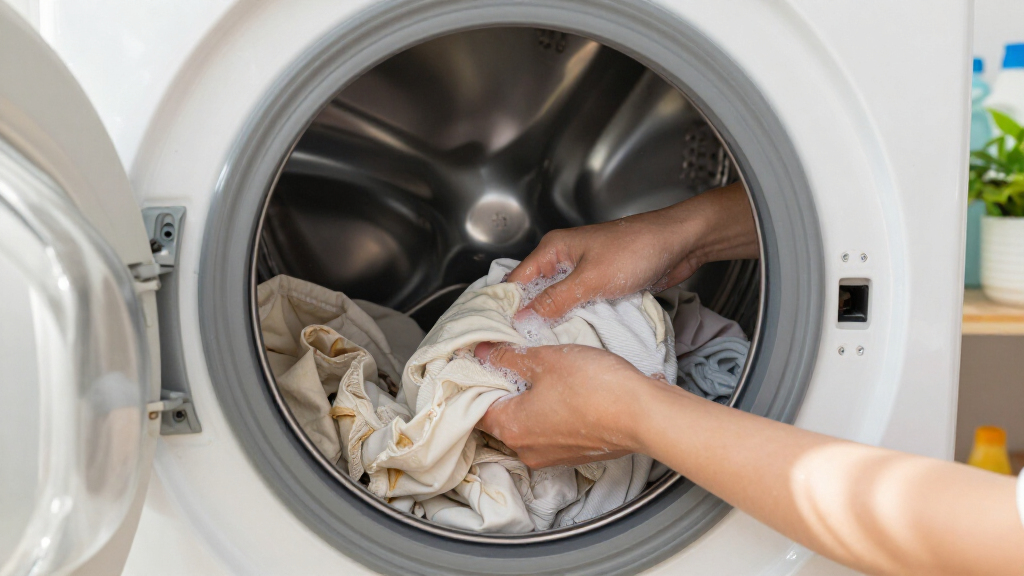
According to recent trend signals, many homeowners and renters are experiencing foul smells emanating from their washing machines. The primary confirmed cause appears to be a habit of leaving wet laundry in the drum for extended periods or neglecting regular cleaning of the machine’s seals and detergent dispensers. This buildup of moisture, combined with residual detergent and dirt, creates an environment conducive to mold and bacteria growth, which in turn causes odors.
The fix, as confirmed by cleaning experts and user reports, is surprisingly simple: run a hot water cycle with vinegar or specialized washing machine cleaners, and ensure the door remains open after use to allow drying. Many affected individuals report that once they adopted these practices, the odors dissipated quickly. The trend has gained traction as more people share their experiences online, emphasizing how minor changes can eliminate persistent smells.
Why Household Hygiene and Appliance Maintenance Matter
This development underscores the importance of proper laundry habits and routine appliance maintenance to prevent odors and potential mold growth. For consumers, understanding that simple, consistent cleaning can extend the lifespan of washing machines and improve household hygiene is valuable. The trend also highlights how everyday habits can have unintended consequences, prompting increased awareness about appliance care and cleanliness. Addressing these issues can lead to fresher laundry and a healthier home environment, reducing the need for costly repairs or replacements caused by neglect.Products Worth Considering

Roborock F25 GT Neo Wet/Dry Vacuum Mop, Cordless Vacuum Cleaner, 180° Flat

Bose TV Speaker Compact Soundbar with Bluetooth and HDMI-ARC, Black

Arlo Pro Wireless Security Camera, 2K HDR, 6th Gen, 4-Camera System
As an affiliate, we earn on qualifying purchases.
Common Causes of Washer Odors and Preventative Tips
Washing machine odors are a common complaint, often linked to moisture retention, detergent residue, and mold growth in seals and dispensers. Experts have long advised regular cleaning cycles, leaving the door ajar after use, and using appropriate detergents to prevent buildup. The recent trend signals that many users overlook these practices, leading to the accumulation of grime and mold. Historically, persistent odors were sometimes mistaken for mechanical issues, but now the focus is shifting toward user habits. The surge in online searches suggests increasing awareness and concern about household appliance hygiene, especially as more people spend time at home.
Unconfirmed Aspects of the Laundry Odor Trend
While the correlation between certain habits and washer odors is well-supported, it is still unclear how widespread the problem is across different types of machines and household environments. The exact impact of various detergents, water hardness, and machine age on odor development has not been fully studied. Additionally, some reports suggest that odors may sometimes be linked to mechanical issues rather than habits alone, but this remains to be confirmed through further investigation.
Next Steps for Consumers and Industry Experts
Experts recommend that consumers adopt routine cleaning practices, such as monthly vinegar cycles and leaving the door ajar. Industry groups may consider increasing awareness campaigns about appliance maintenance. Researchers may also investigate the specific causes of odor buildup in different models to develop more targeted solutions. As the trend continues to grow, more user testimonials and expert advice are expected to clarify best practices and potentially influence appliance design improvements.
Key Questions
What is the main cause of washer odors?
The main cause is moisture and residue buildup in seals, dispensers, and the drum, which promotes mold and bacteria growth.
How can I prevent my washer from smelling?
Run a hot water cycle with vinegar or a commercial cleaner monthly, leave the door open after use, and clean seals and dispensers regularly.
It appears to affect a range of machines, but more research is needed to determine if certain models are more prone to odors due to design or age.
Can mechanical issues cause washer odors?
Yes, in some cases, mechanical problems like clogged drainage or mold in internal components may contribute, but habits are often the primary factor.
Will this trend lead to new appliance features?
Potentially, manufacturers might introduce features that facilitate easier cleaning or better ventilation to prevent odors.
Source: rss