TL;DR

Get decor and gifts delivered free with Prime
- Fast, free delivery on millions of items
- Prime Video, Amazon Music and more included
- Member-only deals all year
House Beautiful asked interior designers which antiques they look for at estate sales, naming 10 categories including glassware, candlesticks, pottery, furniture, rugs, artwork, books and intaglios. The recommendations reflect the designers’ preferences, not a verified ranking or a guarantee of value; prices, condition and authenticity vary from sale to sale.
Interior designers interviewed by House Beautiful have identified 10 categories of antiques and vintage objects they look for at estate sales, including glassware, candlestick holders, copper kitchenware, pottery, distinctive furniture, rugs, artwork, old books and intaglios. The list offers shoppers a set of design-led ideas, but it is not a price guide or an independently verified ranking of the best items to buy.
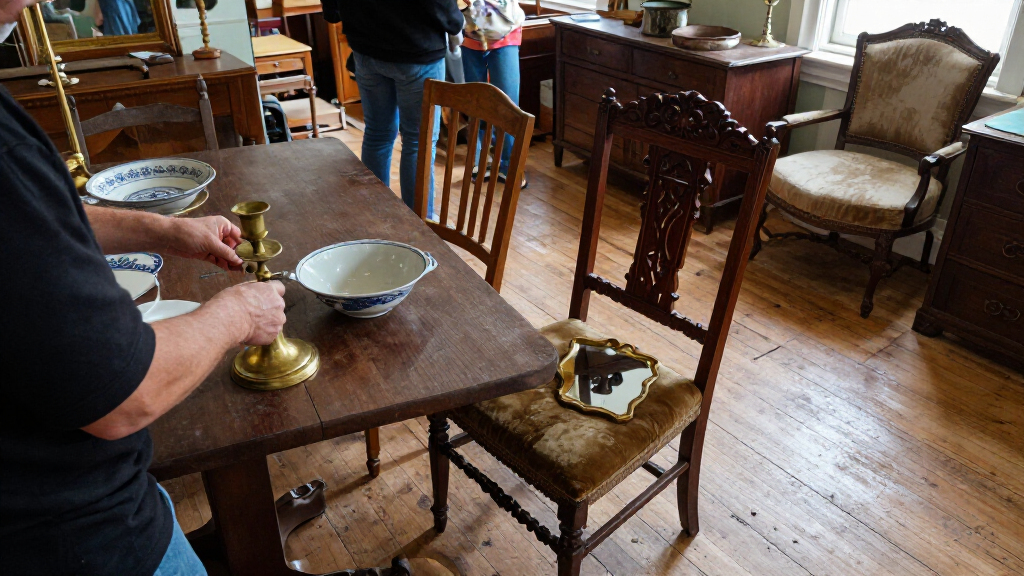
The designers’ suggestions span both practical objects and decorative finds. Paige Loperfido, founder and principal designer of Decor & More Design Studio, looks for hand-painted porcelain, midcentury ceramics and antique glassware, including ice buckets and goblets. She says these pieces can bring color and pattern to kitchens and dining rooms, and can also be displayed as decoration. Krystal Reinhard, founder and principal designer of Old Soul Design Studio, seeks candlestick holders and pottery, describing candlesticks as a simple way to add height and warmth and pottery as a source of texture.
Valerie Helgeson, founder and lead designer of Design Directions, names copper kitchenware as a recurring target, though she says she also goes to sales with an open mind. She looks for furniture with a strong silhouette that can anchor a room. Reinhard recommends vintage rugs for their color, pattern and signs of age, and original artwork for shoppers hoping to find a distinctive piece at a lower cost than gallery pricing. She also buys leather-bound books and cocktail books, using them on shelves, tables and consoles.
Loperfido’s other picks are culturally rich decorative objects—such as Chinese antiques, majolica fish candlesticks and figurative ceramics—and intaglios, or finely detailed etched artworks. The report presents these as the designers’ personal preferences and styling ideas. It does not provide sale prices, appraisals, provenance checks or evidence that any category will reliably appreciate in value.
How the List Can Guide Estate-Sale Shoppers
The recommendations give readers a practical way to scan a sale: look beyond obvious furniture for small decorative pieces, useful kitchen objects and original art. The designers also describe how items might work in a home—pairing pottery with brass, stone or glass, for example, or using books as risers. That advice may help shoppers imagine how a find could be used before buying it.
Estate sales can put objects in the homes where they were collected and used, which Reinhard says helps her judge quality, scale and patina. Some items may cost less than similar objects at antique shops because they have not passed through a dealer, according to the report. That possibility is not a guarantee: prices depend on the seller, demand, condition and the particular object. The list is best read as inspiration, not as a promise of bargains or investment returns.
Products Worth Considering

Philips Hue Starter Kit with Bridge Pro and 4 A19 E26 Smart Bulbs

Shark IZ362H Cordless Anti-Allergen Stick Vacuum, Red

Dyson Car+Boat Cordless Handheld Vacuum
As an affiliate, we earn on qualifying purchases.
Why Designers Shop Estate Sales
Estate sales are one of several places to look for vintage furnishings and collectibles, alongside thrift stores and flea markets. The report’s central appeal is that shoppers can encounter pieces in a domestic setting rather than only in a retail display. Designers featured in the story use that setting to assess how objects relate to a room and to find pieces for both client projects and personal collections.
The process also involves quick decisions. Helgeson says she likes the immediacy of a sale and the need to trust her instincts, while noting that she often finds something she had not planned to seek. The article does not name a single sale, announce a market change or report measured outcomes; it is a service-style roundup of expert recommendations based on interviews with three designers.
“It makes it easier to spot quality, scale, and patina.”
— Krystal Reinhard, founder and principal designer of Old Soul Design Studio
What Buyers Must Check Themselves
The report does not establish whether any listed object is antique, authentic, fairly priced or likely to increase in value. Those details depend on the individual item and are not confirmed by the designers’ recommendations. It also gives no price comparisons, condition assessments or guidance on identifying reproductions.
Before purchasing, shoppers may need to examine an item’s condition, materials and markings, and ask the seller what is known about its history. The source does not state whether the listed pieces are available at any particular sale or in any region. Its suggestions are subjective design advice, not professional appraisals or a guarantee that a shopper will find these objects.
Turning the Suggestions Into a Search
Readers can use the 10 categories as a checklist when browsing local estate-sale listings and rooms, while setting a budget and comparing condition before committing to a purchase. The designers’ comments suggest keeping some flexibility: a planned search for copper cookware, for example, might lead to an unexpected find that better suits a home.
The House Beautiful report does not announce a follow-up, a specific sale or a future market milestone. Any next steps depend on individual shoppers: locating sales, inspecting objects and deciding whether a piece fits their needs and price range. Authenticity, provenance and value remain item-by-item questions, rather than conclusions the article settles for readers.
Key Questions
Which 10 antiques and vintage items do the designers recommend?
The list includes vintage glassware, candlestick holders, copper kitchenware, pottery, culturally rich decorative objects, distinctive furniture, vintage rugs, artwork, old books and intaglios. These are designers’ favored categories, not a ranked list.
Do estate sales guarantee lower prices than antique shops?
No. The report says items that have not passed through a dealer may cost less than similar finds at antique shops. It supplies no price data, and actual costs vary by item, condition, demand and seller.
How can shoppers decide whether an antique is authentic?
The report does not offer an authentication method. Buyers should assess the specific item and its condition, ask what is known about its history, and seek qualified advice when provenance or value matters.
Are the recommendations investment advice?
No. The designers discuss how they use and style objects in interiors. The article does not claim that the items will appreciate or provide appraisals or investment guidance.
Source: housebeautiful.com