
Coconut wax generally has a lower environmental impact if sourced sustainably, as coconut palms can grow in agroforestry systems that support biodiversity. However, large-scale coconut plantation expansion can harm ecosystems. Soy wax production, especially from unsustainable farms in areas like the Amazon, often causes deforestation and habitat loss. Choosing certified, organic options helps minimize these issues. To understand more about how responsible farming practices make a difference, keep exploring the details behind each wax’s environmental footprint.
Key Takeaways
- Coconut wax generally has a lower environmental impact when sustainably sourced, supporting agroforestry and biodiversity.
- Unsustainable soy farming, especially in deforestation-prone areas, causes significant habitat loss and ecosystem damage.
- Both waxes benefit from organic and certified practices that reduce chemical use and promote soil and ecosystem health.
- Responsible sourcing and transparent supply chains are vital for minimizing ecological harm from both coconut and soy wax production.
- Supporting sustainable cultivation of either wax type contributes to climate change mitigation and conservation efforts.
When choosing between coconut wax and soy wax for candles, understanding their environmental impacts helps you make a more sustainable choice. Both options have unique considerations related to sustainable farming practices and biodiversity conservation. Coconut wax is derived from the meat of coconuts, which grow on tropical coconut palms. These palms are often cultivated in regions where sustainable farming practices are crucial for maintaining healthy ecosystems. When grown responsibly, coconuts can be harvested without damaging local biodiversity, supporting the conservation of native plant and animal species. However, if coconut plantations are expanded aggressively, they can lead to habitat loss and reduce biodiversity, especially if native forests are cleared to create new farms. It’s important to seek out brands that source coconut wax from farms committed to environmentally friendly practices, ensuring that the cultivation helps preserve rather than harms local ecosystems. Responsible sourcing and biodiversity conservation are essential factors to consider when evaluating the environmental impact of coconut wax. Additionally, supporting farms that implement agroforestry practices can help maintain ecosystem balance and promote sustainable agriculture. Proper certification and transparent supply chains further ensure that the coconut wax is produced with minimal ecological impact. Furthermore, adopting sustainable farming methods can significantly reduce the carbon footprint associated with coconut production. Implementing these methods can also lead to healthier soils and reduced chemical runoff, which benefits surrounding wildlife.
Soy wax, on the other hand, relies on soybeans, which are mainly grown in large-scale agricultural operations. While soy farming can be highly productive, it also raises concerns about deforestation, particularly in regions like the Amazon rainforest. Unsustainable soy cultivation often results in significant habitat destruction, threatening countless species and reducing biodiversity. That said, soy can be farmed sustainably if growers adopt methods that protect native habitats, use crop rotation, and avoid deforestation. Organic soy options tend to be better for the environment because they typically involve fewer chemical inputs and emphasize soil health. When you choose soy wax from suppliers committed to sustainable farming, you’re supporting practices that respect biodiversity and help prevent environmental degradation. Supporting sustainable soy practices not only benefits ecosystems but also encourages responsible land management. Opting for soy that is certified organic can further reduce the environmental footprint associated with its production.
Both coconut and soy wax can impact ecosystems depending on how the raw materials are sourced. If cultivation is managed responsibly, it can align with conservation goals and reduce environmental footprints. Look for certifications or transparency in sourcing, as these are good indicators that the wax was produced with environmental considerations in mind. Supporting brands that prioritize sustainable farming helps promote biodiversity conservation by reducing the pressure to clear forests or overexploit land. This, in turn, can support climate change mitigation efforts by lowering greenhouse gas emissions linked to agriculture. You’re not just enjoying a beautiful candle but also contributing to a broader effort to protect ecosystems and promote environmentally friendly agriculture. Ultimately, your choice can make a difference, especially when you opt for products from suppliers committed to sustainable practices that respect both the environment and biodiversity.

Direct Candle Supply – 10 lb Coconut Soy Candle Wax for Candle Making – Creamy Blend for High Load Fragrance Formulation, Coco Wax, Coconut Soy Candle Wax, Cera para Velas
COCONUT SOY WAX: Our waxes are designed for a long and clean burn. Our wax blend for candle…
As an affiliate, we earn on qualifying purchases.
As an affiliate, we earn on qualifying purchases.
Frequently Asked Questions
How Do Coconut and Soy Waxes Affect Local Biodiversity?
You might be concerned about how coconut and soy waxes impact local biodiversity. When these crops are farmed, they can cause habitat loss, which threatens wildlife and disrupts ecosystems. Coconut plantations may lead to wildlife disruption if they replace native forests, while soy farming often involves deforestation, affecting plant and animal species. Choosing sustainably sourced waxes can help minimize habitat loss and protect local biodiversity.
Are There Any Renewable Energy Considerations in Wax Production?
Yes, renewable energy plays a role in wax production, especially when factories use solar or wind power to reduce carbon footprints. Sustainable harvesting practices also matter, ensuring that coconut and soy crops are grown responsibly without overexploiting resources. By prioritizing renewable energy sources and sustainable harvesting, producers can minimize environmental impact, making wax production more eco-friendly and supporting long-term ecological balance.
What Is the Carbon Footprint of Harvesting Coconut Versus Soy Wax?
You’ll find that coconut wax generally has a lower carbon footprint than soy wax because coconut harvesting involves less land use change and typically causes less agricultural runoff. Soy cultivation often leads to significant land conversion and pesticide use, increasing environmental impact. When harvesting, coconuts require less intensive farming, reducing emissions. Thus, choosing coconut wax can help minimize your candle’s overall carbon footprint, especially in regard to land use and runoff concerns.
Do Sourcing Practices Impact Environmental Sustainability?
Sourcing practices profoundly impact environmental sustainability. Think of it like a river—if upstream practices cause agricultural runoff and land degradation, the entire ecosystem suffers. When harvesting soy or coconuts, poor practices can increase soil erosion and water pollution, harming local communities and ecosystems. Sustainable sourcing minimizes these issues, ensuring resources are replenished and ecosystems stay healthy. Your choice of ethically sourced wax directly supports better land management and reduces environmental harm.
How Does Wax Disposal Influence Environmental Health?
Your wax disposal impacts environmental health through waste decomposition and chemical toxicity. When you discard wax improperly, it can take years to decompose, polluting soil and water. Some waxes release toxic chemicals as they break down, harming wildlife and ecosystems. To minimize this, you should recycle or compost biodegradable waxes and avoid burning or dumping them in landfills, reducing chemical toxicity and supporting environmental sustainability.
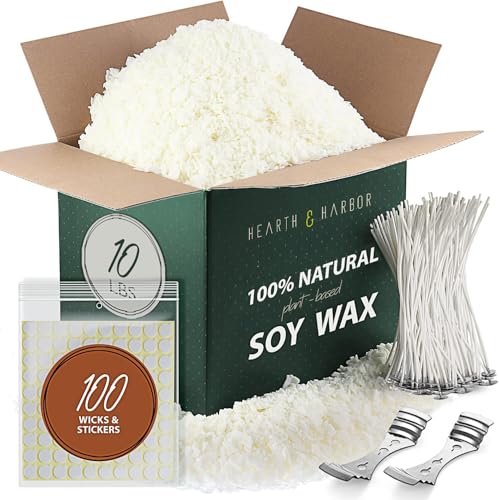
Hearth & Harbor Organic Soy Candle Wax for Candle Making, 10 lbs Natural Candles Making Supplies, Beeswax-Free, Paraffin-Free, Pure Soy Wax Flakes Perfect for Candles, Tealights and Melts
All-In-One Starter Kit – Everything you need to dive into candle making! Our Hearth and Harbor soy candle…
As an affiliate, we earn on qualifying purchases.
As an affiliate, we earn on qualifying purchases.
Conclusion
So, when you choose between coconut and soy wax, remember—your decision isn’t just about scent or burn time; it’s a battle for the planet’s soul. Picking coconut wax might seem like a small act, but it could save entire ecosystems from silent destruction. Conversely, soy wax isn’t innocent either, but your choice holds the power to tip the scales toward sustainability or disaster. Every candle you light becomes a beacon of hope—or a spark of environmental chaos.
Hearth & Harbor Organic Soy Candle Wax for Candle Making, 10 lbs Natural Candles Making Supplies, Beeswax-Free, Paraffin-Free, Pure Soy Wax Flakes Perfect for Candles, Tealights and Melts
All-In-One Starter Kit – Everything you need to dive into candle making! Our Hearth and Harbor soy candle…
As an affiliate, we earn on qualifying purchases.
As an affiliate, we earn on qualifying purchases.

Lumispace 100% Natural Soy Wax Flakes for Candle Making,Farm-Sourced, No Additives, Eco-Friendly, Clean Burning, DIY Candle Supplies, Safe and Pure, 0.5 LBS
100% Natural & Eco-Friendly.Made from premium non-GMO soybeans, free from paraffin and harmful chemicals. Ideal for eco-conscious crafters…
As an affiliate, we earn on qualifying purchases.
As an affiliate, we earn on qualifying purchases.