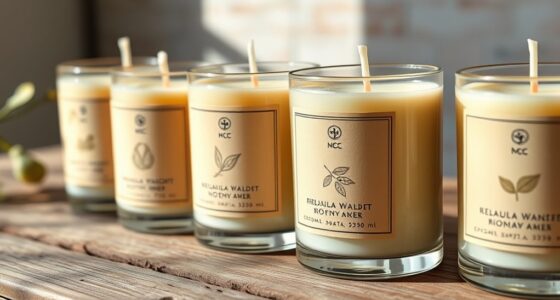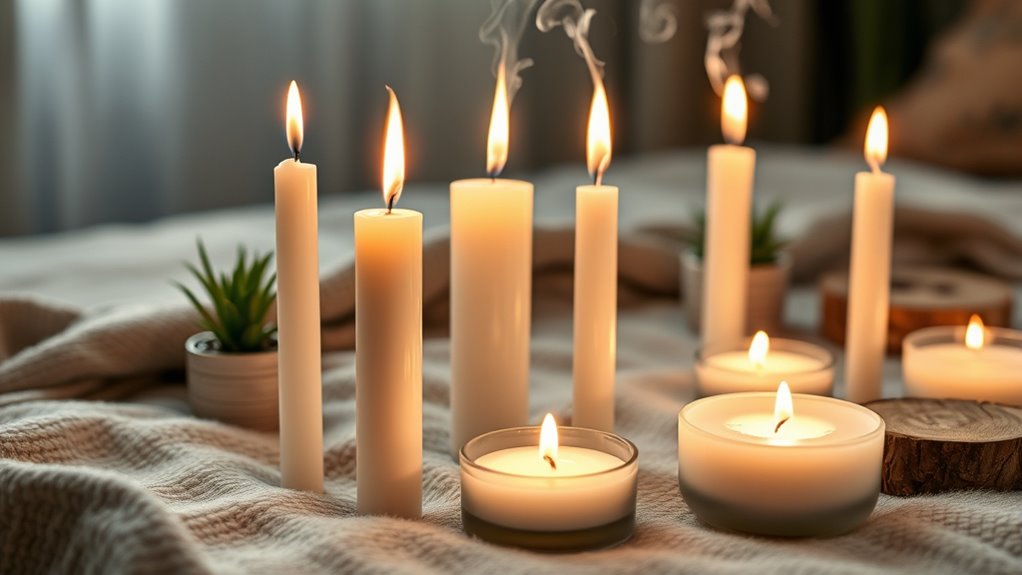

To improve indoor air quality when choosing candles, opt for natural wax types like soy, beeswax, or palm, which burn cleaner and produce less soot and pollutants. Avoid candles with synthetic fragrances, dyes, and metal-core wicks that release harmful chemicals. Make certain of good ventilation, trim wicks, and limit burning time to reduce emissions. Want to know more about safer options and use tips? Keep exploring to find the best ways to enjoy candles indoors safely.
Key Takeaways
- Choose candles made from natural waxes like beeswax, soy, or palm to reduce soot and chemical emissions.
- Avoid candles with synthetic fragrances and artificial dyes, which release harmful VOCs and toxins when burned.
- Use cotton or hemp wicks and trim them to about ¼ inch to minimize soot and smoke during burning.
- Ensure proper ventilation by opening windows or using exhaust fans during and after candle use.
- Limit burning time to 2-3 hours per session and never leave candles unattended to reduce indoor pollution.

SAEUYVB Natural Soy Candle Wax for Candle Making, 10lb Bag, Premium Granular Soy Wax, 20 Cotton Candle Wicks, 20 Wick Stickers and 2 Centering Devices-Perfect as Christmas Home Decoration
【CANDLE MAKING KIT】Soy wax DIY kit includes all the essential materials to get you started crafting beautiful candles….
As an affiliate, we earn on qualifying purchases.
As an affiliate, we earn on qualifying purchases.
Understanding the Impact of Candle Combustion on Indoor Air
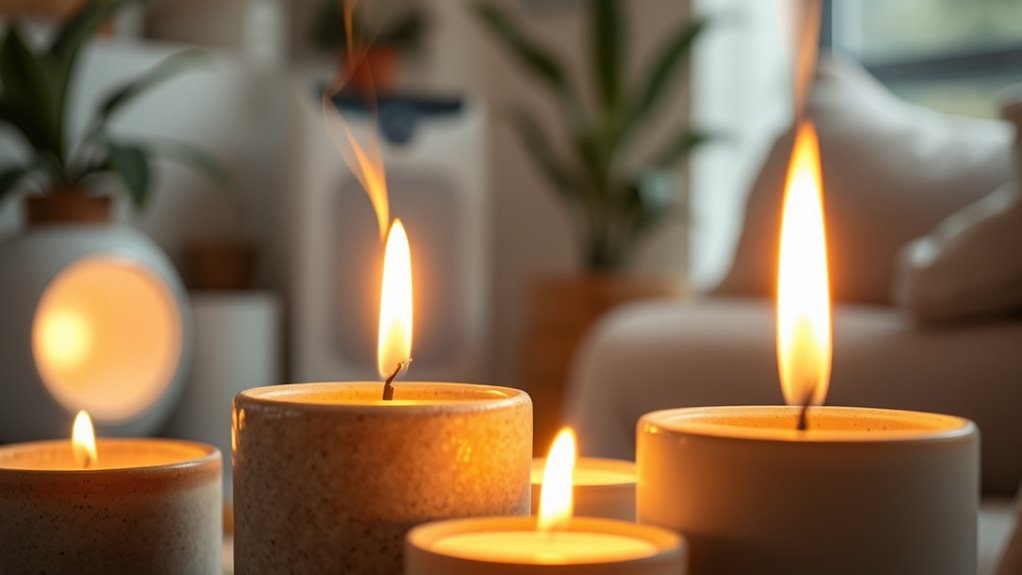
While candles can create a cozy atmosphere, their combustion releases pollutants that can affect indoor air quality. When you burn a candle, it produces candle soot, which consists of tiny particles that can settle on surfaces or become airborne. This soot contributes to indoor pollutants, which may irritate your respiratory system or worsen allergies. The amount of soot generated depends on factors like candle type, wick size, and burning conditions. Poorly made candles or those with synthetic fragrances tend to produce more soot and indoor pollutants. Over time, these particles can accumulate, impacting air purity and potentially causing health issues. Being aware of how candle combustion influences indoor air helps you make smarter choices for a healthier environment. Additionally, choosing natural materials for candles can help reduce the amount of pollutants released during burning. Understanding candle composition can further guide you toward safer options that emit fewer harmful substances. Selecting candles with plant-based waxes can further minimize indoor pollution and enhance air quality.

Cocaburra Hand-Rolled Beeswax Candles, 6 Pack Pure Beeswax Pillar Candles (2.4×4 Inch), 20 Hour Burn Time, Vintage Beeswax Candle Gift Set
2.4X4 INCH PILLAR CANDLES: Each candle is hand-rolled by natural bee wax sheets which are used as beehive…
As an affiliate, we earn on qualifying purchases.
As an affiliate, we earn on qualifying purchases.
Common Types of Candles and Their Air Quality Effects
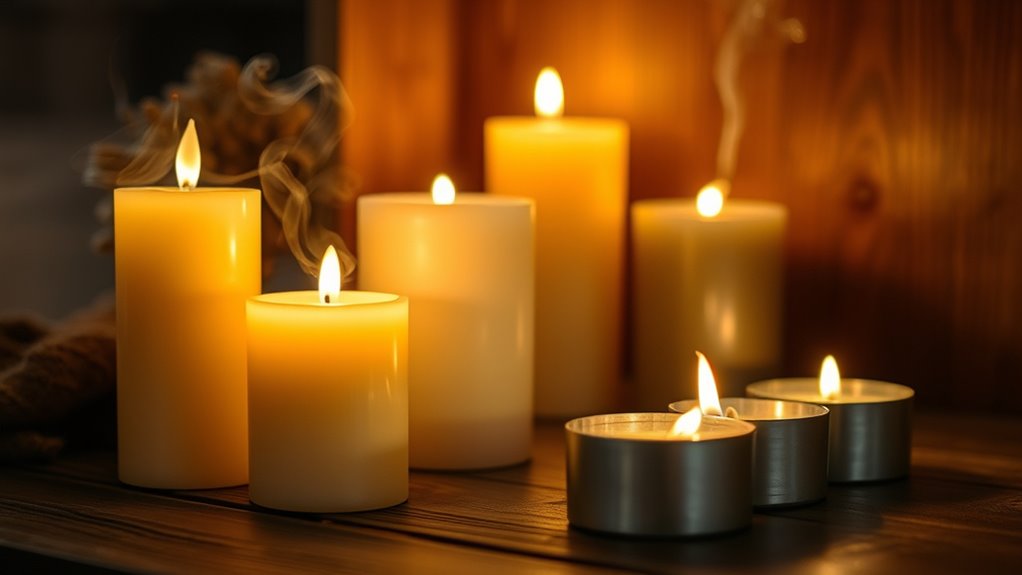
Different types of candles produce varying levels of indoor air pollution, so choosing the right ones can considerably impact your indoor air quality. Unscented candles, especially those made from beeswax or soy, tend to release fewer pollutants and are generally safer for candle safety. In contrast, scented candles, often containing synthetic fragrances, can emit volatile organic compounds (VOCs) that degrade air quality. Paraffin candles are common but produce more soot and chemicals. To make healthier choices, consider the table below:
| Candle Type | Air Quality Effect | Candle Safety Tip |
|---|---|---|
| Beeswax | Produces negative ions, clean air | Use in well-ventilated spaces |
| Soy-based | Low soot, fewer pollutants | Opt for pure, natural options |
| Paraffin | Higher soot, more VOCs | Limit use or avoid altogether |
| Scented candles | Potential VOC emissions from fragrances | Choose unscented or natural scents |
Additionally, selecting candles with natural ingredients can further reduce indoor chemical emissions, which can contribute to a healthier living environment and reduce potential health risks associated with chemical emissions. Incorporating air-purifying candles made from natural materials can further enhance indoor air quality.

3 Pack Natural Beeswax Pillar Candles,Handmade Pure Beeswax Rolled Candle-60 Hours Long Burning,Honeycomb Bees Wax Candles for Home, Prayer,Dripless Smokeless Unscented Pillar Candle 2x4in
【100% All Natural Honeycomb Beeswax Rolled Pillar Candles】: Beeswax Rolled candles is made of 100% pure honeycomb beeswax….
As an affiliate, we earn on qualifying purchases.
As an affiliate, we earn on qualifying purchases.
The Risks of Synthetic Fragrances and Dyes in Candles
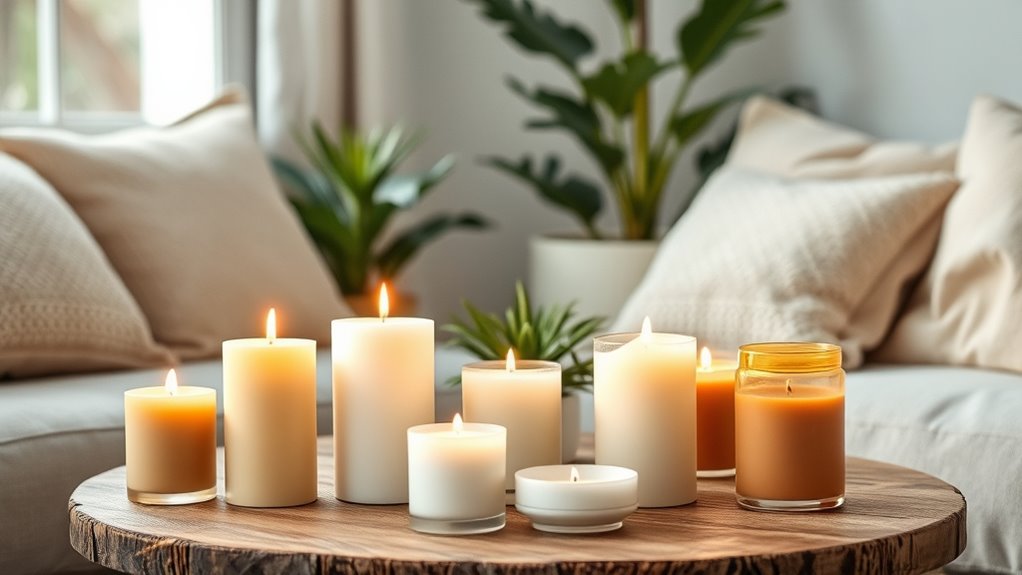
Synthetic fragrances and dyes in candles pose significant health risks because they release harmful chemicals into the air when burned. Many candles use synthetic fragrances instead of natural essential oils, which can emit volatile organic compounds (VOCs) linked to respiratory issues, allergies, and headaches. Artificial dyes, added to enhance color, also release toxins when heated, contributing to indoor air pollution. These chemicals can irritate your lungs and skin, especially if you burn candles frequently or for long periods. Because they’re not regulated as strictly as food or medical products, synthetic fragrances and dyes may contain undisclosed harmful ingredients. Choosing candles with natural ingredients reduces your exposure to these potentially dangerous chemicals, helping you create a safer, healthier indoor environment. Additionally, opting for natural candles can support emotional expression and creativity, contributing to a more relaxing atmosphere at home.
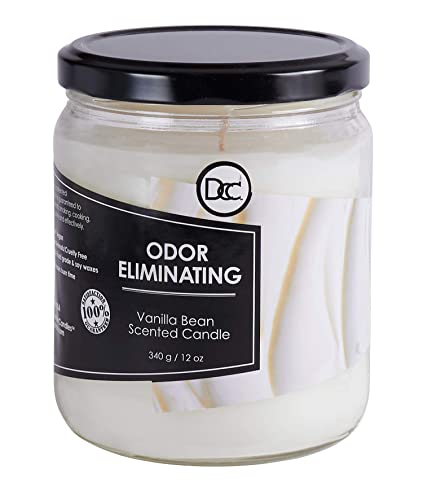
Vanilla Bean Odor Eliminating Highly Fragranced Candle – Eliminates 95% of Pet, Smoke, Food, and Other Smells Quickly – Up to 80 Hour Burn time – 12 Ounce Premium Soy Blend
The aroma of creamy vanilla with a whisper of caramelized sugar makes for an enjoyable fragrance everyone will…
As an affiliate, we earn on qualifying purchases.
As an affiliate, we earn on qualifying purchases.
Benefits of Natural Wax Candles: Soy, Beeswax, and Palm
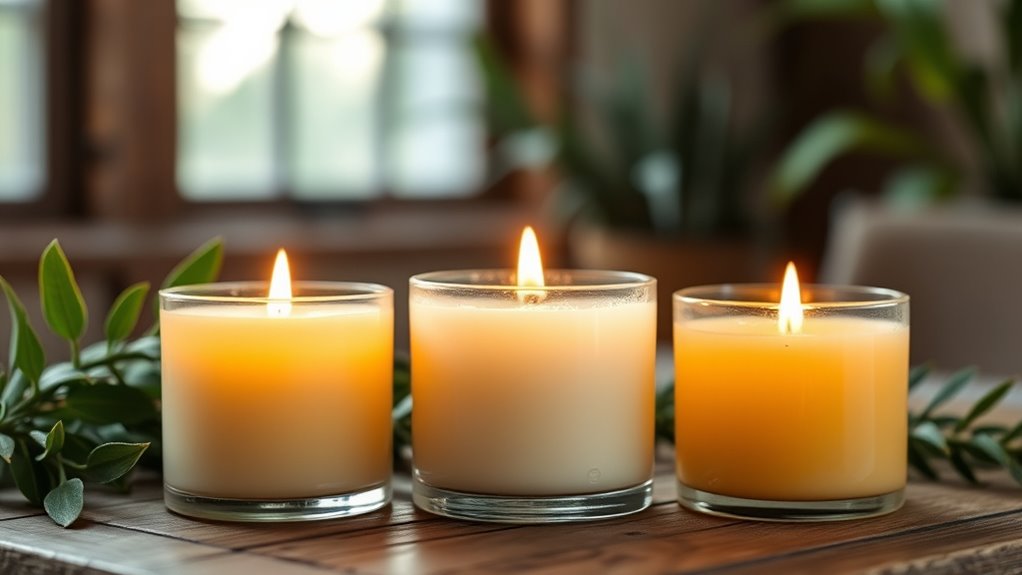
Choosing candles made from natural waxes like soy, beeswax, or palm offers a healthier alternative to synthetic options. Natural wax benefits include cleaner combustion, which reduces soot and airborne pollutants, helping improve your indoor air quality. These waxes tend to produce fewer toxins and are less likely to release harmful chemicals when burned. Additionally, natural wax candles often have a variety of candle scent options, allowing you to enjoy pleasant fragrances without synthetic chemicals. Beeswax, in particular, releases negative ions that can help purify the air. Soy and palm waxes also burn more evenly and last longer, giving you more value and a more consistent scent experience. Overall, choosing natural wax candles supports a healthier indoor environment and offers a wider range of natural scent options. Color temperature adjustments can also influence how the candle’s glow impacts the atmosphere of your space, enhancing the overall mood. Incorporating air-purifying properties into your candle choices can further improve your indoor air quality, especially since air quality can be compromised by synthetic fragrances and toxins from other household products.
Tips for Selecting Safer Candle Options for Your Home
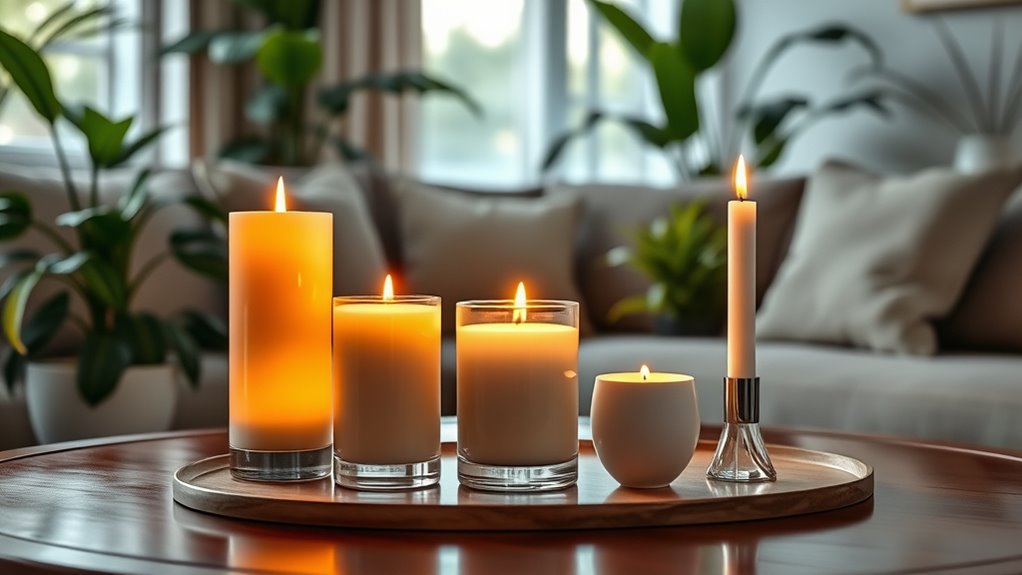
To select safer candle options for your home, start by checking the label for natural waxes like soy, beeswax, or palm, which burn cleaner and emit fewer toxins. Prioritize candle safety by choosing those made from these waxes, as they produce less soot and harmful chemicals. Be aware of scented candle myths that suggest all scented candles are unsafe; many use natural essential oils instead of synthetic fragrances, reducing indoor air pollution. Avoid candles with artificial dyes or synthetic fragrances, as they can release toxins when burned. Opt for candles with cotton or hemp wicks rather than metal-core wicks, which can emit toxic fumes. Additionally, choosing candles with vetted formulations ensures you enjoy candles without compromising indoor air quality or your health. Selecting candles made from natural waxes can significantly reduce indoor pollutants and improve air quality. Always keep candles away from flammable objects and never leave burning candles unattended to prevent fire hazards. Being aware of indoor air quality impacts and choosing healthier candle options can significantly improve your home’s environment.
Proper Candle Use and Ventilation Practices
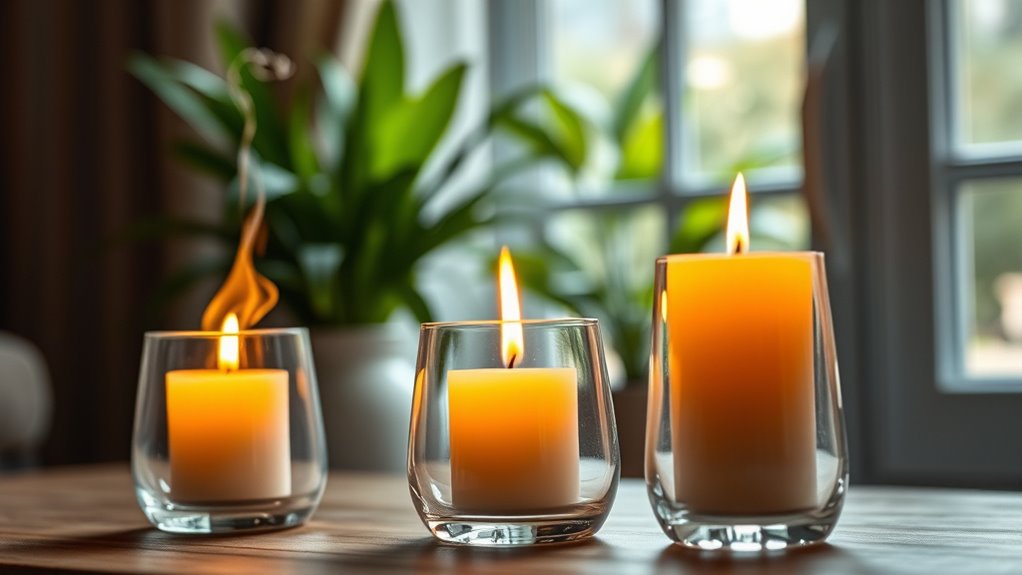
To reduce indoor air pollution from candles, you should ventilate the room while burning. Limiting how long you keep candles lit also helps minimize emissions. Additionally, choosing candles with clean wicks guarantees fewer pollutants are released into your air. Using non-toxic candles made from natural ingredients can further decrease the presence of harmful chemicals in your indoor environment. Selecting candles with Vetted safety standards ensures you are using products tested for quality and reduced emissions. Opting for dog-friendly candles can also help create a safer environment for your pets. Incorporating air purifiers can further improve indoor air quality by capturing airborne pollutants and allergens.
Ventilate While Burning
When burning candles indoors, ensuring proper ventilation is essential to minimize indoor air pollution. You should implement ventilation strategies that promote good indoor airflow, such as opening windows or using exhaust fans. These actions help disperse any pollutants released from the candles, reducing the buildup of particulate matter and volatile organic compounds. Keeping the space well-ventilated during candle use prevents indoor air from becoming stale or contaminated. If you burn candles regularly, consider creating a routine of ventilating the room before, during, and after burning. Proper airflow not only improves air quality but also helps you enjoy candles safely. Remember, good ventilation is a simple but effective way to minimize health risks associated with indoor candle burning. Furthermore, indoor air quality can significantly enhance the effectiveness of ventilation efforts, leading to cleaner indoor air. Supporting biodiversity by reducing indoor pollution contributes to healthier ecosystems both inside and outside your home. Regularly monitoring and improving air exchange rates can further optimize indoor air health.
Limit Candle Duration
Limiting the time you burn candles can considerably reduce indoor air pollution and health risks. Keeping candle burning duration short minimizes soot and harmful emissions, supporting better indoor air quality. To practice safe candle use, follow these candle safety tips:
- Burn candles for no longer than 2-3 hours at a time
- Always trim the wick to about ¼ inch before lighting
- Avoid drafts that can cause uneven burning and soot
- Extinguish candles if they flicker excessively or produce black soot
- Regularly ventilate the room after extinguishing candles to disperse any residual pollutants, and ensure proper candle quality to reduce pollutants emitted during burning. Proper ventilation practices also help to clear any accumulated indoor pollutants and maintain healthier air.
Select Clean-Wick Candles
Choosing clean-wick candles guarantees fewer pollutants are released into your indoor air. Look for candles with lead-free wicks to prevent toxic metal emissions. These wicks burn cleaner and reduce airborne contaminants. Additionally, select candles with natural fragrance options, such as essential oils, instead of synthetic scents that can release harmful chemicals. Proper candle use also matters; keep wicks trimmed to about a quarter inch to minimize soot and smoke. Always burn candles in well-ventilated areas to help disperse any particles and reduce indoor air pollution. By choosing clean-wick candles and practicing good ventilation, you minimize potential health risks and enjoy the ambiance safely. Making these simple choices helps improve your indoor air quality while still allowing you to enjoy candles.
Alternatives to Traditional Candles for a Cozy Atmosphere
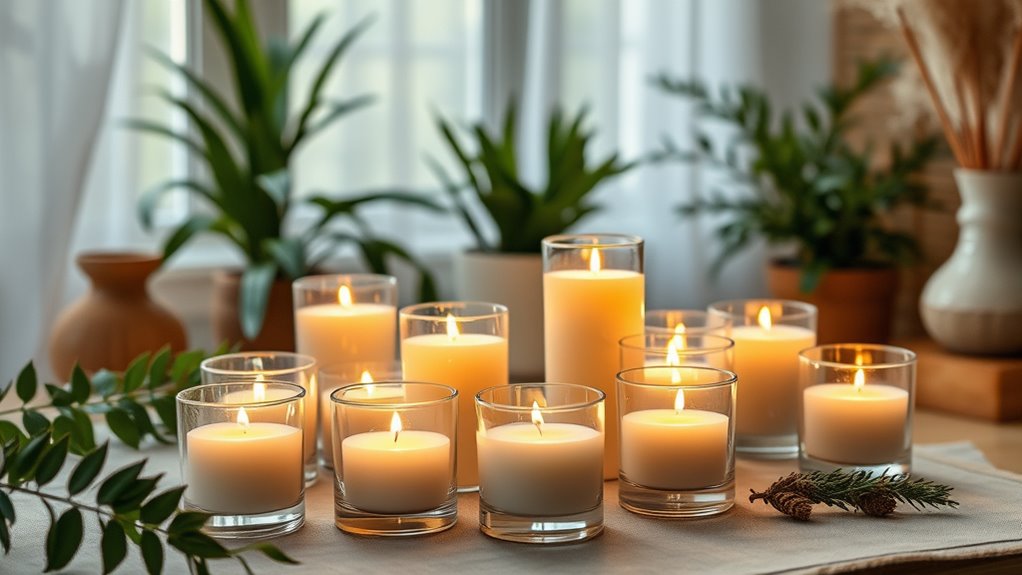
If you’re seeking a cozy atmosphere without the potential indoor air quality issues of traditional candles, several alternatives can create warm, inviting lighting. You can explore DIY decorations like string lights or lanterns to add charm without smoke or toxins. Aromatherapy diffusers offer soothing scents that enhance relaxation without combustion, enhancing indoor air quality. Battery-operated LED candles mimic flickering flames safely and with minimal pollutants. Additionally, incorporating soft, ambient lighting from Himalayan salt lamps or paper lanterns can create a cozy glow. These options not only improve air quality but also allow for creative customization of your space. Embracing these alternatives ensures a warm, inviting environment while prioritizing your health and comfort.
Frequently Asked Questions
Are There Specific Candle Certifications Indicating Better Indoor Air Quality?
Yes, look for candles with certification standards like the ASTM F2417 or the Green Seal certification, which indicate better indoor air quality. These certifications guarantee ingredient transparency and that harmful chemicals are minimized or eliminated. By choosing candles with these labels, you actively reduce indoor pollutants and promote healthier air. Always check for clear ingredient lists and certification marks to make informed, safer choices for your home environment.
How Do Candle Wicks Affect Indoor Air Pollution Levels?
Your candle’s wick composition directly impacts indoor air pollution levels. Wicks made from natural materials like cotton or wood burn cleaner, producing fewer combustion byproducts. In contrast, wicks with metal cores or synthetic materials can release harmful particles and chemicals into the air. To minimize indoor pollution, choose candles with natural, lead-free wicks, and guarantee proper burning to reduce harmful combustion byproducts.
Can Plant-Based Candles Truly Improve Indoor Air Health?
Think of plant-based candles as a revitalizing breeze for your home. They can genuinely improve indoor air health because they’re made from natural ingredients and lack harmful chemical additives found in traditional candles. By choosing these eco-friendly options, you reduce exposure to toxins and create a cleaner environment. So yes, plant-based candles often offer a healthier alternative, helping you enjoy a cozy atmosphere while safeguarding your indoor air quality.
What Are the Long-Term Health Effects of Frequent Candle Burning Indoors?
Burning candles indoors regularly can expose you to airborne toxins, which may negatively impact your respiratory health over time. You might experience irritation, allergies, or worsened asthma symptoms if you’re sensitive. Long-term exposure increases the risk of respiratory issues and other health problems. To protect yourself, opt for candles made from natural, non-toxic ingredients, and guarantee good ventilation whenever you burn candles indoors.
Do Scented Candles Pose More Health Risks Than Unscented Ones?
Ever imagined the difference between scented and unscented candles? Scented candles often pose more health risks because they emit additional chemicals and fragrances that can increase chemical emissions and act as allergy triggers. While unscented candles mainly release soot and combustion byproducts, scented candles can introduce harmful compounds into your indoor air, risking long-term health effects. So, if you’re concerned about air quality, opt for unscented or natural alternatives.
Conclusion
By choosing natural candles and practicing mindful burning, you become the artist shaping a healthier indoor oasis. Let your space breathe easy, free from the smoky shadows of synthetic fragrances and dyes. Like a gentle breeze through open windows, your mindful choices clear the air and brighten your home’s atmosphere. Embrace safer options, and let your cozy haven glow with warmth and wellness, turning every flicker into a dance of purity and peace.