
TL;DR

Get decor and gifts delivered free with Prime
- Fast, free delivery on millions of items
- Prime Video, Amazon Music and more included
- Member-only deals all year
A Family Handyman report outlines precautions for backyard bonfires, including checking local fire rules, placing fires well away from buildings, and keeping water and a designated supervisor nearby. The source does not describe a new regulation or incident; it compiles expert safety advice, and local requirements can vary.
A Family Handyman report lays out safety steps for backyard bonfires this fall, urging homeowners to check local rules, keep fires away from structures, avoid windy conditions and never leave flames unattended. The guidance matters because a recreational fire can cause injuries, property damage or a spreading fire when basic precautions are missed; permit rules and restrictions depend on the local area.
The report recommends calling the local fire department or fire marshal before lighting a fire to ask whether a permit is required, what distance and size limits apply, whether brush burning is allowed and whether a temporary burn ban is in effect. Fire and home safety expert Eugene Klimaszewski said a short call can help residents avoid fines and understand their potential responsibility if a fire spreads. Those requirements are not uniform, so the report’s general advice does not replace local instructions.
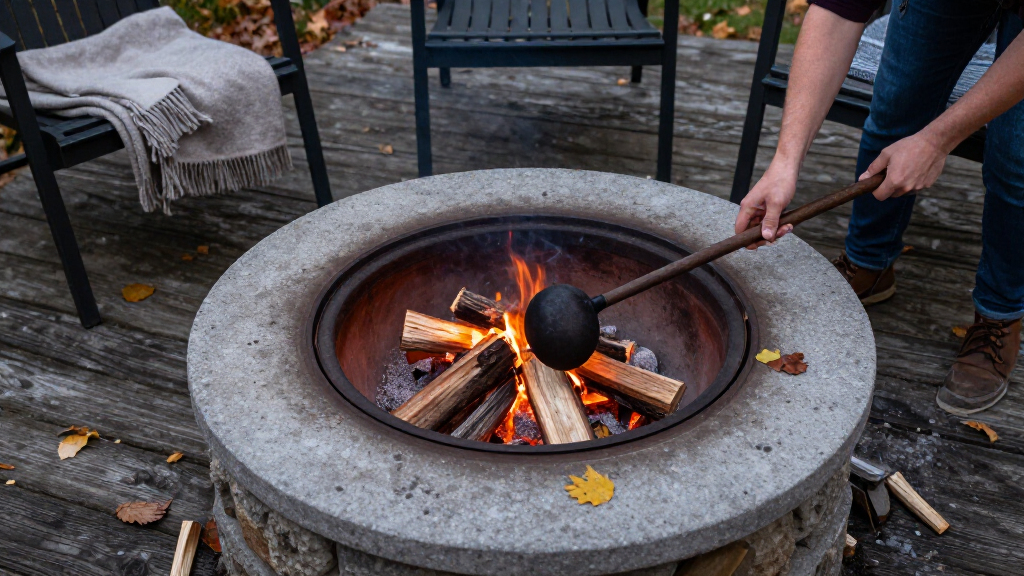
For location, the report cites the National Fire Protection Association’s recommendation to keep a bonfire at least 25 feet from a house and other structures. It advises choosing a flat, open area away from trees, fences and ground vegetation, and avoiding a fire on a windy day, when embers can travel. Residents should also account for smoke by placing the fire downwind from the home and closing nearby doors and windows.
Fuel and supervision are central parts of the advice. The report recommends dry, suitable firewood and warns against burning treated or painted wood, plastics, paper products and other materials that can create harmful fumes or flying embers. It says not to use gasoline or other accelerants. Before lighting the fire, have a hose, bucket of water or extinguisher ready, and assign one person to keep watch while children and pets stay back.
Preventing Embers From Reaching Homes
The precautions address several ways an outdoor fire can become a threat beyond the fire pit: embers can travel, flames can spread to nearby vegetation or structures, and smoke or fumes can affect people nearby. Checking restrictions before burning is also a practical step, since weather, fire danger and local rules may make a planned bonfire unsafe or prohibited on a given day.
The report’s advice is relevant to homeowners and guests alike. A clear supervisor, a ready water source and a plan to extinguish the fire reduce the chance that a fire is left unattended or grows unnoticed. These steps do not guarantee safety, and residents should follow any stricter directions from local fire officials.
As an affiliate, we earn on qualifying purchases.
The Report’s Core Fire Precautions
Family Handyman presents the material as a seasonal guide to common bonfire hazards, rather than as a report about a newly announced rule or a specific fire. It quotes attorney Kevin Henrichson, who says falling into a fire, using gasoline, adding fuel at the wrong time, inadequate supervision of children and alcohol consumption can raise the risk of injury.
The source also advises keeping combustible debris clear around the fire area and preparing for changing conditions. It says to avoid damp, rotten or moldy wood because it can produce excess smoke and popping embers, and to avoid driftwood, painted wood and treated wood because of potentially hazardous fumes. These are recommendations from the cited report; residents should defer to local fire authorities for specific requirements.
““Every season there are always the same preventable mistakes made that lead to injuries.””
— Kevin Henrichson, attorney, quoted by Family Handyman
Local Rules and Conditions Vary
The source material does not provide a publication date, identify a particular town or state, or establish which permits and distance limits apply to any individual reader. It also does not report a new law, a specific bonfire-related emergency or current weather and burn-ban conditions. Local requirements and fire danger may differ, so readers need to verify current guidance with their own fire department.
The supplied report excerpt ends while describing the fire supervisor’s role and does not include the full list of 11 tips. This article therefore reflects the safety details included in the supplied material rather than claiming to reproduce every recommendation in the original report.
Check Before Lighting the Fire
Before planning a bonfire, contact the local fire department or fire marshal about permits, setbacks, fire size, burnable materials and any active restrictions. On the day, reassess wind and other conditions; postpone the fire if it is too windy or officials have prohibited burning.
If a fire is allowed, set it in an open location well away from structures, keep an appropriate water source close, and designate someone to watch it continuously. Use suitable firewood, keep children and pets at a safe distance, and extinguish the fire fully when finished. The source does not specify a follow-up announcement or event; the next step for residents is to apply local guidance to their plans.
Key Questions
Do I need a permit for a backyard bonfire?
It depends on local rules. The report advises calling the local fire department or fire marshal to ask about permits, fire-size limits, distance requirements and temporary burn bans.
How far should a bonfire be from a house?
The report cites the National Fire Protection Association’s recommendation to keep bonfires at least 25 feet from houses and other structures. Check with local officials for any stricter or different requirements.
Can I use gasoline to start or revive a fire?
No. The experts quoted in the report warn against gasoline and other accelerants because vapors can ignite unexpectedly and cause injuries. The report suggests using kindling and a campfire starter instead.
What should I have ready before lighting a bonfire?
Have a hose, bucket of water or fire extinguisher within reach, and assign someone to supervise the fire continuously. Keep children and pets away from the flames.
What should I do if it is windy?
The report recommends rescheduling a bonfire on a windy day, since wind can carry embers. Check current conditions and local fire restrictions before lighting any outdoor fire.
Source: rss
Halloween Picks
halloween
As an affiliate, we earn on qualifying purchases.