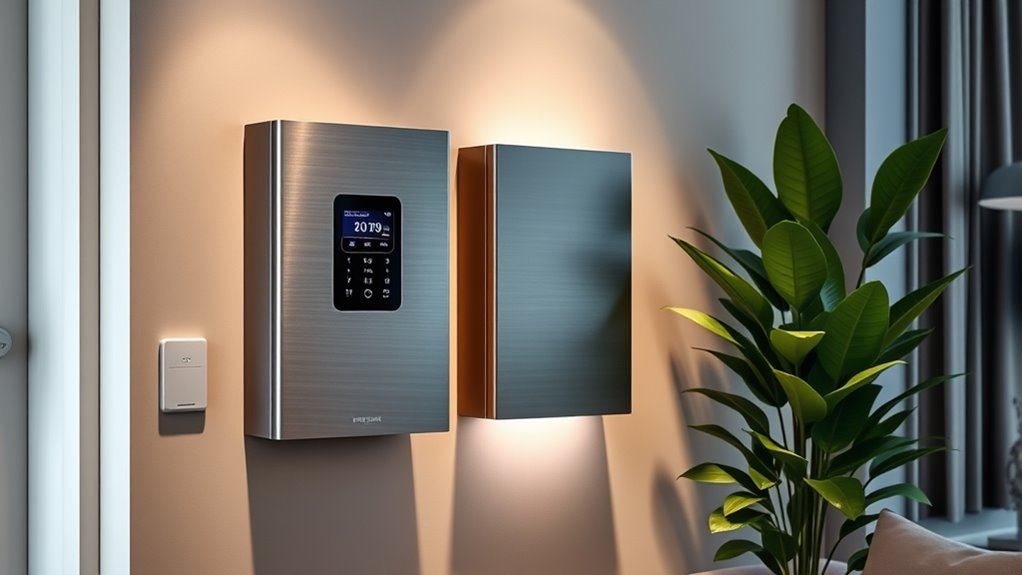
Highend home battery backup systems are designed to deliver reliable, scalable power solutions for demanding home energy needs, especially during outages or grid instability. The best options in this category combine large capacities with advanced features like fast charging and seamless integration with solar. The Jackery HomePower 3600 Pro Max stands out as the overall top pick for its balance of capacity and usability, while the ECO-WORTHY 48V Backup Power Station offers incredible capacity for those who need serious backup power. Meanwhile, the Anker SOLIX E10 provides flexible modular options for expanding energy storage. Readers face tradeoffs between capacity, complexity, and price—continue reading for a detailed breakdown of each.

Get decor and gifts delivered free with Prime
- Fast, free delivery on millions of items
- Prime Video, Amazon Music and more included
- Member-only deals all year
Complete the kit


Key Takeaways
- The top picks offer capacities ranging from around 3,600Wh to over 10,000Wh, catering to different backup needs.
- Modular and expandable systems like Anker SOLIX E10 are ideal for future-proofing, but add complexity and cost.
- Inverter power ratings are critical; higher wattage supports larger appliances or more simultaneous loads.
- Build quality and battery chemistry (LiFePO4 vs. other chemistries) significantly impact longevity and safety.
- Price and ease of installation vary widely; more advanced systems often require professional setup but provide better scalability.
| Jackery HomePower 3600 Pro Max & 500W Panel, 3584Wh, 2000W 120V/4000W 240V |  | Best Overall Home Battery Backup System | Capacity: 3584Wh | Power Output: 2000W 120V / 4000W 240V | Lifespan: 16+ years | VIEW ON AMAZON | See Our Full Breakdown |
| ECO-WORTHY 48V Home Backup Power Station with 10240Wh Battery and 10KW Inverter |  | Best for High-Capacity Expandable Backup Power | Battery Capacity: 10240Wh | Inverter Power: 5000W | Peak Power: 10000W | VIEW ON AMAZON | See Our Full Breakdown |
| Anker SOLIX E10 Power Dock and Extra Battery, 12kWh-90kWh |  | Best for Modular and Outdoor-Ready Home Power | Power Capacity: 7.6kW continuous, scalable to 22.8kW | Backup Storage: 12kWh expandable to 90kWh | Solar Support: 9kW per unit | VIEW ON AMAZON | See Our Full Breakdown |
| Jackery HomePower 2000 Plus v2 with 2 Batteries & 200W Power Output |  | Best for Compact, Lightweight Backup Power | Power Output: 2400W | Capacity: 2048Wh | Battery Cycles: 6000+ | VIEW ON AMAZON | See Our Full Breakdown |
| ECO-WORTHY 48V Home Backup Power Station with 10240Wh LiFePO4 Battery and 5000W Inverter |  | Best for High-Power, Expandable Home Backup | Battery Capacity: 10240Wh | Inverter Power: 5000W | Peak Power: 10000W | VIEW ON AMAZON | See Our Full Breakdown |
| WattCycle Dual 48V 100Ah Server Rack Batteries & 12kW Split Phase Inverter |  | Best for Large-Scale, Permanent Home Backup with Scalability | Voltage: 48 volts | Amperage: 100 A | Form Factor: Rack | VIEW ON AMAZON | See Our Full Breakdown |
| highend home battery backup system | Battery Type |
|---|---|
| Jackery HomePower 3600 Pro Max | LFP (Lithium Iron Phosphate) |
| ECO-WORTHY 48V Home Backup Pow | LiFePO4 |
| Anker SOLIX E10 Power Dock and | — |
| Jackery HomePower 2000 Plus v2 | — |
| ECO-WORTHY 48V Home Backup Pow | LiFePO4 |
| WattCycle Dual 48V 100Ah Serve | — |
More Details on Our Top Picks
Jackery HomePower 3600 Pro Max & 500W Panel, 3584Wh, 2000W 120V/4000W 240V
The Jackery HomePower 3600 Pro Max stands out for its combination of high capacity, long lifespan, and seamless UPS operation, making it ideal for those seeking a reliable, permanent backup solution. Its 3584Wh capacity and the ability to support both 120V and 240V appliances surpass many competitors like the Anker SOLIX E10, which offers larger scalability but at a more complex setup. The fast automatic transfer switching ensures continuous power during outages, a critical feature for essential home systems. However, its advanced features come with a higher price tag and significant size, making portability less practical. Compared to smaller units like the Jackery 2000 Plus, this model is better suited for whole-home backup rather than portable needs. This pick makes the most sense for homeowners prioritizing longevity and seamless operation over initial cost or mobility.
Pros:- High-capacity 3584Wh battery with over 16 years lifespan
- Seamless UPS switch for uninterrupted power
- Supports both 120V and 240V appliances
Cons:- High upfront cost due to advanced features
- Large and heavy, limiting portability
Best for: Homeowners who need a long-lasting, reliable backup for critical appliances with permanent installation.
Not ideal for: Renters or those with limited space who require portable, lightweight systems for temporary use.
- Capacity:3584Wh
- Power Output:2000W 120V / 4000W 240V
- Lifespan:16+ years
- Battery Type:LFP (Lithium Iron Phosphate)
- Cycle Life:6,000 cycles
- Noise Level:Under 30dB
Our verdict“This system is best for homeowners seeking a durable, high-capacity backup with automatic transfer capability, despite its size and cost.”
ECO-WORTHY 48V Home Backup Power Station with 10240Wh Battery and 10KW Inverter
Compared with the Jackery HomePower 3600, the ECO-WORTHY 10240Wh Power Station offers a significantly larger battery and higher inverter capacity, making it suitable for bigger homes or more demanding loads. Its expandable design, supporting parallel connections, provides flexibility for future capacity increases, a feature less emphasized in the Jackery model. Bluetooth and WiFi monitoring simplify management, but the assembled setup can be complex, requiring multiple shipments and professional support. While the Jackery system excels at seamless operation for smaller loads, ECO-WORTHY’s larger capacity and expandability cater to users with higher or growing power needs, especially those integrating solar. This system makes the most sense for homeowners planning long-term scalability and high power demands, despite a more involved setup process.
Pros:- Large 10240Wh capacity with expandable parallel options
- Supports up to 10KW inverter power for high-demand appliances
- Bluetooth/WiFi monitoring for easy remote management
- Certified for North American safety standards
Cons:- Requires assembly and multiple shipments for full setup
- Higher initial cost and complexity
Best for: Homeowners with large power loads or future expansion plans who value scalability and monitoring features.
Not ideal for: People with limited technical skills or those needing a ready-to-go, simple backup system for small homes.
- Battery Capacity:10240Wh
- Inverter Power:5000W
- Peak Power:10000W
- Battery Type:LiFePO4
- Monitoring:Bluetooth, WiFi
- Certifications:UL1973, UL1741
Our verdict“Ideal for users seeking a scalable, high-capacity backup with monitoring, despite the setup complexity.”
Anker SOLIX E10 Power Dock and Extra Battery, 12kWh-90kWh
The Anker SOLIX E10 offers a highly scalable solution ranging from 12kWh to 90kWh, making it ideal for those who want to start small and expand over time. Its seamless automatic switchover and weatherproof design set it apart from more basic systems like Jackery’s, which are less suited to outdoor use. The ability to integrate solar power and the support for multiple batteries and inverters provide a flexible, future-proof setup. The complexity of installation and limited remote management details can be challenges for less experienced users. Compared to the smaller Jackery units, the E10’s scalability and outdoor durability make it better suited for larger properties or off-grid applications, but it requires more planning and support. It’s best for homeowners with growth ambitions and outdoor use needs.
Pros:- Scalable from 12kWh to 90kWh for long-term growth
- Seamless automatic transfer for reliable backup
- Weatherproof (NEMA 4 & 3R), suitable for outdoor installation
- Supports solar energy integration for energy savings
Cons:- Installation may require professional support
- Limited info on app or remote control features
Best for: Homeowners wanting a scalable, outdoor-capable backup system with future expansion in mind.
Not ideal for: Users seeking a straightforward, plug-and-play solution for small, indoor homes without plans for expansion.
- Power Capacity:7.6kW continuous, scalable to 22.8kW
- Backup Storage:12kWh expandable to 90kWh
- Solar Support:9kW per unit
- Weatherproof:Yes, NEMA 4 & 3R
- Warranty:5-year for E10, 10-year for Dock
Our verdict“Best suited for homeowners planning for future capacity and outdoor installation, despite installation complexity.”
Jackery HomePower 2000 Plus v2 with 2 Batteries & 200W Power Output
The Jackery HomePower 2000 Plus v2 provides a reliable, portable backup with a 2048Wh capacity and 2400W output, ideal for users needing a lightweight solution with some expandability. Its long-lasting batteries and fast USB-C charging are practical for essential devices like laptops and smartphones, making it more versatile than the larger Jackery 3600. While its weight is still notable, it’s easier to handle than bulkier systems like the ECO-WORTHY units. Compared to the ECO-WORTHY 10240Wh station, the Jackery 2000 Plus offers less capacity but significantly more portability. This system is perfect for users prioritizing mobility and essential device charging, though it’s less suitable for powering larger home appliances during extended outages.
Pros:- 2048Wh capacity with over 6000 cycles for longevity
- Lightweight and portable compared to larger backup systems
- Fast USB-C charging supports MacBooks and iPhones
- Smart energy management for critical circuits
Cons:- Limited total runtime for larger loads
- Relatively heavy for portable use despite being smaller than others
Best for: Homeowners needing a portable, lightweight backup for essential electronics and small appliances.
Not ideal for: Large households or those requiring full-home backup during prolonged outages, due to limited capacity.
- Power Output:2400W
- Capacity:2048Wh
- Battery Cycles:6000+
- USB-C Power:140W
Our verdict“Ideal for users seeking a portable, reliable backup for essential electronics, at the expense of large capacity.”
ECO-WORTHY 48V Home Backup Power Station with 10240Wh LiFePO4 Battery and 5000W Inverter
The ECO-WORTHY 10240Wh Power Station exceeds many alternatives in capacity and power, supporting up to 5000W with a pure sine wave inverter and expandable capacity for large loads. Its batteries are UL certified, ensuring safety and longevity, making it a top choice for users with substantial backup needs like running multiple appliances or small HVAC units. The ability to expand with multiple inverters and batteries offers significant flexibility, but the setup can be complex, especially for beginners. Compared to the Jackery models, the ECO-WORTHY unit prioritizes raw power and expandability over plug-and-play simplicity. This makes it best for users with technical skills looking for a highly customizable system that can grow with their needs.
Pros:- High-capacity 10240Wh LiFePO4 batteries
- Supports up to 5000W continuous power and expandable with multiple units
- Certified for safety with UL1973 & UL1741
- Smart monitoring via Bluetooth and WiFi
Cons:- Requires careful setup and safety precautions
- Higher initial investment and complexity
Best for: Power users with large energy demands and expansion plans, who can manage complex setup requirements.
Not ideal for: Casual users or those new to home backup systems seeking an easy, quick setup.
- Battery Capacity:10240Wh
- Inverter Power:5000W
- Peak Power:10000W
- Battery Type:LiFePO4
- Monitoring:Bluetooth, WiFi
- Certifications:UL1973, UL1741
Our verdict“Best for skilled users seeking a robust, expandable, high-power backup system with safety certification, despite setup challenges.”
WattCycle Dual 48V 100Ah Server Rack Batteries & 12kW Split Phase Inverter
This system stands out for its high capacity and scalability, making it ideal for homeowners seeking a permanent, expandable backup solution. Unlike the ECO-WORTHY 48V Power Station, which offers a more straightforward setup, the WattCycle setup is designed for larger homes or off-grid applications that require continuous, reliable power. Its 10.24kWh storage, paired with a 12kW inverter, supports significant loads and integrates seamlessly with solar systems up to 24kW, offering impressive efficiency and active management features. The main tradeoff is the installation complexity, which demands technical expertise, along with a higher upfront investment. While it provides robust power and smart monitoring, its size and setup complexity make it less suitable for DIY enthusiasts or those with limited technical support.Pros:- High-capacity 10.24kWh storage supports large power loads
- Supports solar input up to 24kW for future expansion
- Reliable backup with quick UPS transfer and pure sine wave output
- Smart Bluetooth monitoring with active battery balancing
Cons:- Requires specialized installation expertise, increasing setup time and cost
- Potentially high upfront purchase price compared to simpler systems
- Limited user reviews make long-term reliability less transparent
Best for: Homeowners with large energy demands or those planning to expand their solar system, needing a reliable, scalable backup.
Not ideal for: Small households or DIYers seeking a plug-and-play solution, due to complex installation and higher cost.
- Voltage:48 volts
- Amperage:100 A
- Form Factor:Rack
- Input Voltage:120 volts AC
- Maximum Power:12000 watts
- Output Voltage:120 volts AC
- Output Wattage:12000 watts
- Wattage:12 KW
Our verdict“This pick makes the most sense for serious homeowners who need a scalable, high-capacity backup that can grow with their energy needs.”

How We Picked
The products in this roundup were evaluated based on capacity, inverter power, build quality, scalability, and user safety features. We prioritized systems that deliver reliable power, are suitable for high-end residential use, and incorporate advanced technology like fast charging and modular expansion. Cost was considered but weighed against performance and longevity, as these systems are meant for long-term, high-demand use. The ranking reflects a balance between raw power, usability, and future-proofing, ensuring options for different types of high-end home power setups.| highend home battery backup system | Battery Type |
|---|---|
| Jackery HomePower 3600 Pro Max | LFP (Lithium Iron Phosphate) |
| ECO-WORTHY 48V Home Backup Pow | LiFePO4 |
| Anker SOLIX E10 Power Dock and | — |
| Jackery HomePower 2000 Plus v2 | — |
| ECO-WORTHY 48V Home Backup Pow | LiFePO4 |
| WattCycle Dual 48V 100Ah Serve | — |
Factors to Consider When Choosing Highend Home Battery Backup Systems
Choosing a highend home battery backup system involves understanding several key factors that impact performance, reliability, and value. Beyond just capacity, consider how the system integrates with existing solar or grid setups, the quality of the batteries, and how easy it is to expand or upgrade in the future. Making the right choice depends on your specific power needs, budget, and technical comfort level. Here are the main considerations to keep in mind:Capacity and Power Output
Capacity, measured in watt-hours (Wh), determines how long your home can run during an outage. For high-end systems, look for at least 3,600Wh if your needs are modest, but consider 10,000Wh or more for larger households or critical loads. Power output, rated in watts, affects how many appliances can operate simultaneously. A system with a higher inverter wattage supports larger devices like refrigerators or HVAC units without issues. Always match your power needs with the system’s capabilities to avoid shortages or overloads.
Battery Chemistry and Longevity
Battery chemistry impacts safety, lifespan, and maintenance. LiFePO4 (Lithium Iron Phosphate) batteries are increasingly common in high-end systems because they offer longer cycle life, better thermal stability, and enhanced safety compared to older lithium-ion chemistries. Investing in quality batteries reduces replacement frequency and ensures consistent performance over years. Be cautious of cheaper batteries that may degrade faster, ultimately increasing long-term costs and reducing reliability.
Scalability and Modular Design
Many premium systems now feature modular designs allowing expansion as your needs grow. Modular setups like Anker SOLIX E10 enable adding batteries or upgrading inverter capacity without replacing the entire system. This flexibility can be valuable for evolving energy demands or integrating with new solar installations. However, modular systems often come with higher initial costs and increased complexity—assess whether the added flexibility justifies the investment for your situation.
Ease of Installation and Integration
High-end systems vary in how straightforward they are to install. Some require professional setup, especially those with high voltages or complex configurations, which adds to upfront costs. Compatibility with existing solar arrays, home electrical systems, and smart home integrations are additional factors. Investing in a system that integrates seamlessly reduces setup time and ongoing management hassle, but may increase initial complexity and expense.
Cost and Long-Term Value
While high-end systems tend to carry a premium price tag, consider the long-term savings and reliability they offer. Cheaper systems might seem attractive initially but can lead to higher maintenance or replacement costs if they lack durability or capacity. Focus on the total cost of ownership, including potential upgrades, battery life, and performance during outages. Sometimes paying more upfront results in better reliability and lower total cost over years of use.
Frequently Asked Questions
How do I determine the right capacity for my home?
Calculating the right capacity depends on your household’s power consumption and the duration of backup needed. Start by listing critical appliances and their wattage, then estimate how long you’d like them to run during an outage. For most high-end homes, a capacity of at least 5,000Wh supports essential loads for several hours, but larger households or those intending longer outages should consider systems exceeding 10,000Wh. Consulting with a professional can help tailor a system precisely to your specific needs.
Are modular or expandable systems worth the extra cost?
Modular systems offer significant benefits if you expect your energy needs to grow, or if you want to start small and expand later. They provide flexibility and can be more cost-effective long-term, especially when paired with solar upgrades. However, they typically come with higher initial prices and added complexity in installation and management. If your current needs are clear and unlikely to change, a fixed-capacity system might be simpler and more cost-efficient.
What safety features should I look for in a highend system?
Safety features like thermal management, overcharge protection, and fire-resistant battery enclosures are critical in high-end systems. LiFePO4 batteries are inherently safer, but additional safeguards such as circuit breakers, automatic shutoffs, and diagnostic monitoring improve overall safety. Ensuring the system complies with local electrical codes and is installed by qualified professionals also reduces risks and enhances reliability over its lifespan.
How long do high-end home batteries typically last?
High-quality batteries like LiFePO4 often provide 2,000 to 5,000 full charge cycles, translating to 10-15 years of service under normal conditions. Proper maintenance, avoiding deep discharges, and operating within specified temperature ranges extend battery life. While initial costs are higher, these batteries tend to last much longer than cheaper alternatives, making them a sound investment for long-term reliability.
Can these systems integrate with solar panels?
Yes, most high-end systems are designed for seamless integration with solar arrays, allowing you to store excess solar energy for use during outages or at night. Compatibility depends on inverter ratings and system design, so verifying that your solar setup matches the battery system’s specifications is essential. Proper integration maximizes renewable energy use, reduces reliance on the grid, and enhances overall system resilience.
Conclusion
For those seeking the best overall performance, the Jackery HomePower 3600 Pro Max offers a balanced combination of capacity, ease of use, and reliability. Buyers prioritizing maximum capacity and scalability should consider the ECO-WORTHY 48V Backup Power Station or the WattCycle Dual Batteries. Beginners or homeowners with modest backup needs might find the Jackery HomePower 2000 Plus v2 to be a simpler, more affordable entry point. For those with specific requirements like integrating with a solar setup or needing long-term, high-capacity storage, the Anker SOLIX E10 provides a flexible, expandable solution. Ultimately, your choice should align with your current energy demands, future expansion plans, and budget constraints.Halloween Picks
halloween
As an affiliate, we earn on qualifying purchases.