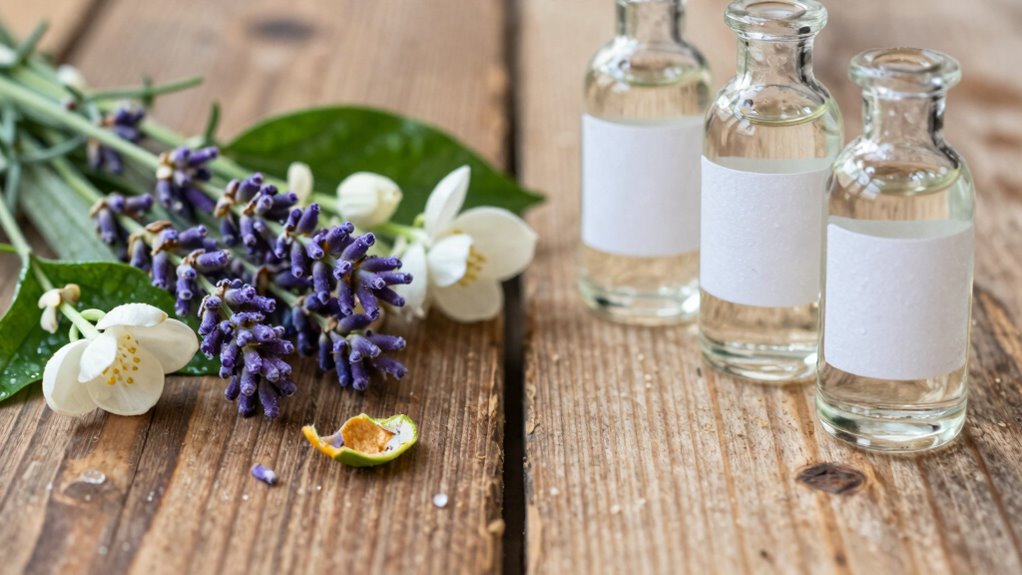

When comparing natural to synthetic fragrance oils, natural options are more sustainable because they come from renewable plant sources and are biodegradable, helping reduce environmental impact. They often follow ethical harvesting practices and support biodiversity, making them eco-friendlier. Synthetic oils, on the other hand, are made from petrochemicals, which can harm the environment and contribute to pollution. If you’re curious about how these differences truly stack up, you’ll find more insights ahead.
Listen free for 30 days with Audible
Thousands of audiobooks and originals — cancel anytime.
As an affiliate, we earn on qualifying purchases.
Key Takeaways
- Natural fragrance oils are derived from renewable plant sources, supporting sustainability and eco-friendly harvesting practices.
- Synthetic fragrance oils often rely on petrochemicals, which contribute to pollution and have a higher environmental footprint.
- Natural oils are biodegradable and break down more easily, reducing long-term environmental impact.
- Advances in green chemistry aim to make synthetic fragrances more sustainable but are not yet widespread.
- Choosing natural oils aligns with eco-conscious and ethical lifestyle values, promoting biodiversity and responsible sourcing.
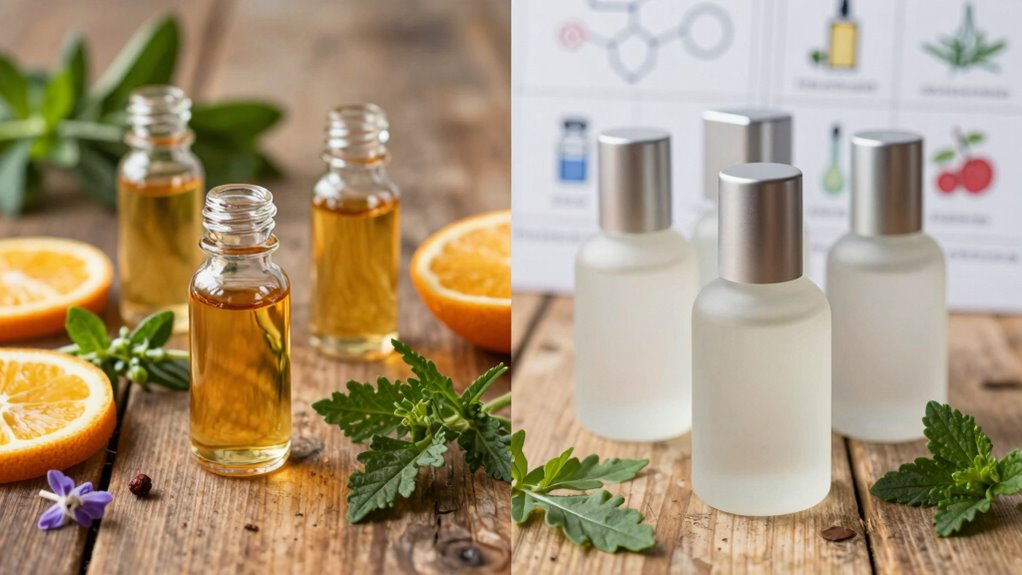
Have you ever wondered what sets natural fragrance oils apart from synthetic ones? The difference often comes down to how each is produced and their impact on the environment. Natural fragrance oils are typically derived from plants, flowers, and other botanical sources through processes like steam distillation or cold pressing. This eco friendly sourcing emphasizes sustainability, as many producers prioritize renewable resources and ethical harvesting practices. When you choose natural oils, you’re supporting methods that aim to minimize environmental harm, reduce pollution, and promote biodiversity. These oils tend to be biodegradable, which means they break down more easily in the environment, leaving less lasting waste.
Natural fragrance oils are derived from plants through eco-friendly processes, supporting sustainability and biodegradability.
On the other hand, synthetic fragrance oils are created in laboratories using chemical compounds. While they can mimic the scent profiles of natural ingredients, their production often involves petrochemicals or other non-renewable resources. This raises questions about sustainability, as the manufacturing process can contribute to pollution and waste. Many synthetic oils are produced on a large scale with less regard for environmental impact, making them less eco friendly overall. If you’re concerned about sustainability, natural oils are generally the better choice because they align more closely with eco conscious values. Additionally, advancements in green chemistry are gradually making synthetic processes more sustainable, but they are not yet widespread enough to overshadow natural sourcing methods.
Another aspect to consider is how these oils affect your health, especially regarding allergic reactions. Natural fragrance oils carry the reputation of being gentler, but they aren’t completely free of allergenic potential. Natural oils contain complex compounds that can sometimes trigger allergies or sensitivities, especially in people with sensitive skin. However, since they’re derived from natural sources, you often have more transparency about what’s in them, making it easier to avoid known allergens. Synthetic oils, meanwhile, can contain artificial chemicals that may provoke allergic reactions in some individuals. These chemicals might be more irritating because they’re not as familiar or as well understood as natural compounds. Moreover, regulations often require natural oils to be clearly labeled, which can further help consumers make informed choices.
Choosing natural fragrance oils supports a more sustainable and health-conscious lifestyle. They often come from ethical sources that prioritize eco friendly sourcing, helping to reduce environmental impact while providing scents that are rich and authentic. While both natural and synthetic oils have their pros and cons, understanding their origins and effects helps you make better choices. If sustainability and minimizing allergic reactions matter to you, natural oils are usually the more responsible option. They offer the beauty of nature’s own fragrances, crafted with care for the planet and your well-being.

Fragrance Essential Oils Set – 14pcs, Aromatherapy Oils for Skin, Diffusers, Home Care, Humidifier Laundry, Candle Making – Tea Tree, Sandalwood, Lavender, Vanilla, Eucalyptus and More (5mL)
- Number of Oils: 14 essential oils included
- Variety of Scents: Includes floral, woody, citrus, and herbal
- Multiple Uses: Diffusers, candles, baths, and more
As an affiliate, we earn on qualifying purchases.
As an affiliate, we earn on qualifying purchases.
Frequently Asked Questions
Are Natural Fragrances More Environmentally Friendly Than Synthetic Ones?
Yes, natural fragrances are generally more environmentally friendly than synthetic ones. When you choose natural options, you’re supporting eco-friendly farming practices and organic certification, which reduce chemical use and promote sustainability. These oils are derived from plants, often grown without harmful pesticides, making them a better choice for the environment. Synthetic fragrances, on the other hand, typically involve chemical processes that can pollute and deplete resources, making them less sustainable overall.
Do Synthetic Fragrances Cause More Allergic Reactions Than Natural Oils?
Synthetic fragrances often cause more allergic reactions than natural oils because they contain numerous chemicals that can trigger scent sensitivity. You might notice higher allergy prevalence with synthetics, especially if you’re sensitive to certain ingredients. Natural fragrance oils tend to be gentler on your skin, reducing the chance of irritation. If you’re prone to allergies, choosing natural options might help minimize scent sensitivity and allergic responses.
How Do Fragrance Oils Impact Biodiversity and Ecosystems?
Your choice of fragrance oils can tip the scales for ecosystems. Synthetic oils often contain chemicals that may harm wildlife, causing disruption and habitat degradation. Natural oils, if sourced responsibly, are gentler on the environment but can still pose risks if overharvested or poorly managed. Think of it as walking a tightrope—mindful sourcing guarantees your fragrance doesn’t unintentionally damage the biodiversity you cherish.
What Are the Long-Term Health Effects of Synthetic Fragrance Exposure?
Synthetic fragrances can pose long-term health risks due to chemical toxicity, which might lead to allergic reactions or hormonal disruptions over time. You may also experience respiratory effects like coughing, wheezing, or asthma symptoms with prolonged exposure. It is crucial to be aware of these potential risks, especially if you have sensitivities or respiratory issues. Choosing natural fragrances or reducing exposure can help minimize these health concerns and promote better long-term well-being.
Can Sustainable Sourcing Improve the Ecological Footprint of Natural Fragrances?
Sustainable sourcing can profoundly lower the ecological footprint of natural fragrances. Did you know that responsible harvesting practices can reduce habitat destruction by up to 50%? By ensuring ethical harvesting and transparent supply chains, you support environmental preservation, minimize waste, and promote biodiversity. When brands prioritize sustainable sourcing, they’re not just protecting ecosystems—they’re also encouraging fair labor practices, making natural fragrances a more eco-friendly and socially responsible choice for you.
Conclusion
While natural fragrance oils often appeal for their purity and eco-friendly reputation, synthetic options can be just as sustainable when responsibly produced, reducing pressure on wild resources. If you’re concerned about authenticity, consider that many synthetic fragrances are crafted to mimic natural scents without harming ecosystems. Ultimately, choosing between the two depends on your values and priorities. By staying informed and supporting ethical practices, you can enjoy beautiful fragrances without compromising our planet’s health.
Fall Picks
fall essentials
As an affiliate, we earn on qualifying purchases.