
TL;DR

Get decor and gifts delivered free with Prime
- Fast, free delivery on millions of items
- Prime Video, Amazon Music and more included
- Member-only deals all year
A Veranda report identifies six bathroom design directions that two designers expect to gain traction in 2027: bespoke storage, distinctive hardware, layered lighting, patterned tile floors, more residential-looking spaces and smart technology. These are designers’ predictions, not measured industry-wide trends or guarantees of higher home resale value.
Designers interviewed by Veranda predict that bathrooms in 2027 will put more emphasis on personalized storage, decorative details and technology, alongside practical functions. The report lists six expected trends, but presents them as professional forecasts rather than evidence that the changes are already widespread.
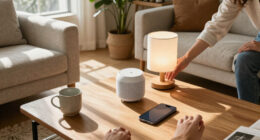
The six directions in the report are custom cabinetry and storage, standout hardware, multiple lighting sources, patterned tile floors, a shift away from strictly utilitarian design and smart technology. The predictions come from Rachel Cannon, founder and principal designer of Rachel Cannon Limited, and Gina Elkins, founder and principal of Studio Casa Vita.
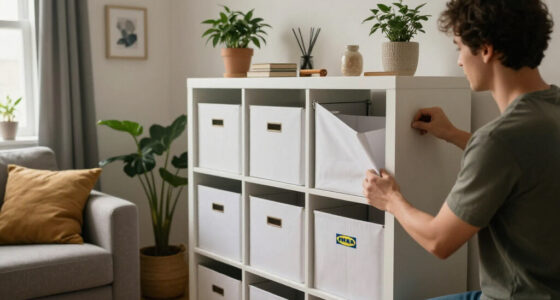
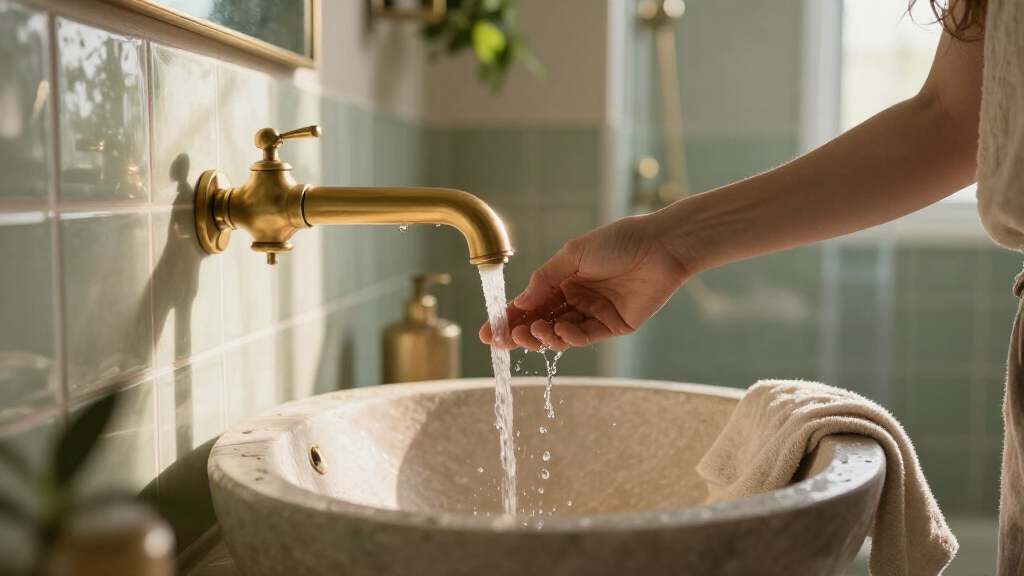
Cannon describes a continuing move toward cabinetry designed around how a household uses the bathroom, not only how it looks. Elkins points to features such as outlet-equipped drawers, dedicated places for hair tools, and storage for towels and makeup. The report also says designers are using distinctive knobs, backplates and mixed metals to make hardware a more visible part of a room.
For lighting, Elkins advocates combining sources for different tasks and times of day, including vanity lighting, softer nighttime illumination, toe-kick lights and natural light. Cannon’s examples of patterned floors include herringbone and offset layouts, as well as colored shapes and borders set into otherwise restrained tile schemes.
More Personal, Less Utility-Only Bathrooms
The predictions point toward bathrooms being planned as individual rooms within the home, rather than spaces designed only around basic fixtures. Custom storage may help households organize products and tools; layered light can serve both grooming and nighttime use; and finishes such as patterned floors or distinctive hardware can connect a bathroom to the home’s wider style.
Some proposals also affect how the room is arranged. Elkins says clients are separating vanity areas from showers and other wet zones, with materials such as wood in dry areas changing to stone around wet ones. That approach may appeal to homeowners planning a renovation, but the report does not establish that any of these choices will improve resale value or suit every property, budget or household.
As an affiliate, we earn on qualifying purchases.
How Designers Describe the Shift
The report frames the predictions as part of a broader change in client priorities: bathrooms are expected to retain their practical role while receiving more attention to organization, comfort and decoration. Elkins says trends can signal new materials, storage ideas and functions, while Cannon describes clients becoming more willing to choose expressive hardware and tile arrangements.
The examples range from relatively small finish choices to more involved renovation decisions. Changing a cabinet knob or tile layout is different in cost and scope from commissioning custom cabinetry, changing room divisions or adding automated controls. The source provides design examples and practitioner observations, not pricing, survey results or a timetable for adoption across the housing market.
“By incorporating customized organizational systems, we can maximize every inch and make the bathroom feel more intuitive, efficient, and personal.”
— Rachel Cannon, founder and principal designer of Rachel Cannon Limited
Forecasts, Not Market-Wide Findings
The six items are designers’ predictions based on their client work; the report does not provide market data showing how common the features are or how quickly adoption is changing. It also does not say that all six trends will take off in every region or price range.
There is no cost comparison, resale analysis or evidence that a particular renovation will deliver a financial return. The source does not specify which products or systems will be most popular, or whether homeowners will choose every feature together. Those outcomes remain unclear from the report.
What Homeowners Can Watch
The report does not identify a single next milestone or release date for these trends. Homeowners considering updates can watch how designers and suppliers develop cabinetry, lighting and bathroom technology, then compare those options with their own needs and project constraints.
For anyone planning work, the predictions are a starting point for discussing layout, storage, lighting and materials with a qualified designer or contractor, not a checklist to follow. The extent to which these ideas become broadly popular in 2027 will depend on future projects and market evidence not included in the report.
Key Questions
What are the six bathroom trends predicted for 2027?
The report lists custom storage, distinctive hardware, layered lighting, patterned tile floors, less utilitarian design and smart technology.
Who made these predictions?
The predictions are attributed to Rachel Cannon of Rachel Cannon Limited and Gina Elkins of Studio Casa Vita in a report published by Veranda.
Does the report prove these trends will be widespread?
No. It presents designers’ forecasts and client observations, not a representative survey or market-wide adoption data.
Could these trends increase a home’s resale value?
The report discusses resale value as a reason to follow bathroom design, but provides no evidence or analysis that any listed feature raises a home’s value.
Source: rss
Halloween Picks
halloween
As an affiliate, we earn on qualifying purchases.